
Eat Like a Local: Iconic New Orleans Food You Should Know
New Orleans is known for its colorful culture and historic past. It’s also renowned for its diverse and delectable cuisine. From iconic classics to unique Creole and Cajun flavors, exploring the culinary scene of “The Big Easy,” as it’s fondly called, is a never-ending adventure.
Iconic New Orleans food never fails to leave a lasting impression on tourists from all across the globe. At Tastebud Food Tours, we offer guests an outstanding food tour experience. Get ready to experience an excellent mix of delicious food and captivating history in the Crescent City.
The Heart of New Orleans Flavor
New Orleans food feels soulful because each dish builds on memories. Chefs here respect old methods while adding their unique touch. The flavors stay bold, rich, and comforting. Eating in this city feels like stepping into its past. The dishes below highlight the traditions locals still enjoy every day.
Gumbo: A Bowl Filled with Stories
Why Gumbo Holds Power
Gumbo stands tall as one of the most iconic New Orleans food traditions. The dish is not just a stew. Gumbo mirrors the influences of the diverse cultures that have contributed to the city’s flavors. Some think that the name gumbo comes from the Choctaw word for filé powder, kombo. Others are of the view that it is taken from ki ngombo. It is the West African Bantu name for okra.
Common Gumbo Styles
- Chicken and Andouille Gumbo with a smoky edge
- Seafood Gumbo filled with shrimp, crab, and local spices
- Okra-Based Gumbo with rich texture and old Creole charm
Each bowl feels hearty. Locals enjoy gumbo on cool days or during family events.
Jambalaya: A Flavorful One-Pot Classic
How Jambalaya Became a Signature Dish
Jambalaya is a famed dish in New Orleans. It has been a part of the city since the Colonial Spanish settlers reconstructed their native paella from ingredients that were locally sourced. Presently. Jambalaya comprises a mix of seafood, chicken, and sausage or all three. It also has onions, peppers, spices and rice. Chefs in NOLA offer the dish in a variety of ways.
Two Jambalaya Styles
- Creole Jambalaya includes tomatoes for a color-rich dish.
- Cajun Jambalaya stays smoky and dark without tomatoes.
Both versions sit high on lists for travelers wanting authentic meals in the city.
A Local Legend
There’s an interesting theory based on the origin of the name Jambalaya. It’s an old story of a traveller. The tourist staying in an old guest house in Louisiana asked its cook to “sweep something together” in French. The cook’s name was Jean. The resulting dialogue, which was “Jean, balayez!,” gradually became ‘jambalaya’.
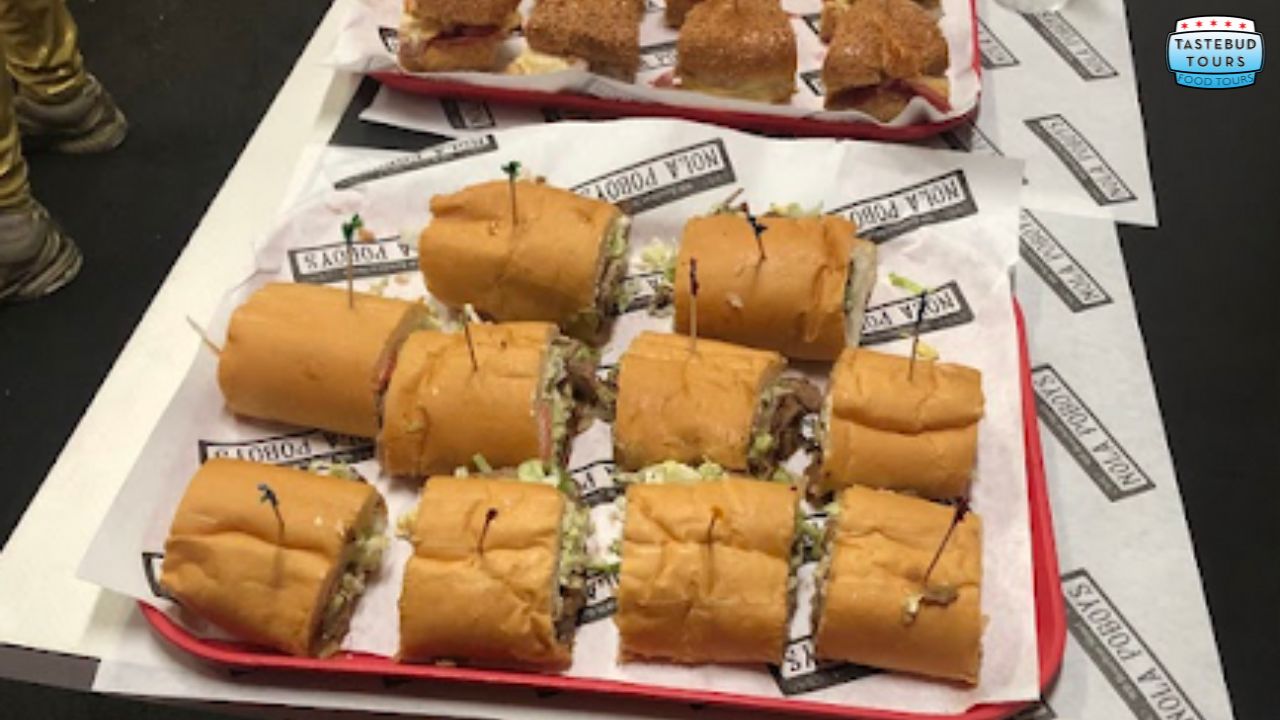
Po’boys: Simple Bread with Big Flavor
A Sandwich That Tells a Strong Story
The famous po’boy began as food for local workers. It still pays tribute to that spirit through simple and honest flavors. Soft French bread holds fillings that feel hearty and bold.
Popular Fillings
- Crispy fried shrimp
- Roast beef with gravy
- Fried oysters
- Catfish with tangy sauce
These sandwiches feel filling and satisfying after hours of exploring neighborhoods or markets.
Crawfish Étouffée: A Smooth and Savory Classic
Crawfish étouffée brings a buttery base and a thick, warm sauce. The dish uses local crawfish cooked in a smooth gravy. It pours well over hot rice, which absorbs every flavor. The blend feels comforting and rich without being too heavy.
Locals often enjoy étouffée during crawfish season, though many restaurants serve it year-round.
Red Beans and Rice: A Monday Tradition
Red beans and rice carry deep meaning in New Orleans homes. The tradition began when laundry day fell on Mondays. Families cooked red beans slowly while finishing chores.
This dish uses red beans simmered with spices, sausage, or smoked meat. Warm, slow-cooked flavor fills each plate. It remains a weekly ritual and a sign of true local life.
Beignets: Soft, Sweet, and Light
What Makes Beignets Special Here
Beignets are square pieces of dough fried until golden. Powdered sugar covers their warm exterior. They taste sweet, airy, and comforting. These treats show how French roots shape today’s dessert culture.
Enjoying Beignets in the French Quarter
Many travelers stop for fresh beignets in the Quarter. Hot dough and soft sugar create a sweet moment of pause. The treat tastes best when served warm with a drink on the side.
Oysters: Fresh, Grilled, and Full of Local Flavor
Raw and Chargrilled Choices
Oysters remain a cornerstone of coastal food culture. Raw oysters are perfectly edible. Chefs serve them on beer trays or with rock salt. They are best eaten alongside lemon, cocktail sauce, or a cracker.
Chargrilled oysters have their own charm. The prime ingredient is butter. The dish is the invention of Drago’s in the Hilton Riverside Hotel. Seasoning is made out of a mix of butter, cheese, garlic, and herbs. They are grilled on the half-shell.
When to Enjoy Local Oysters
Oysters taste great year-round, but cooler months offer peak freshness. They work well before a main course or as a shared snack.
Cajun and Creole Flavors: Understanding the Difference
New Orleans celebrates both Cajun and Creole cooking. Creole dishes often feel elegant with tomato bases and layered spices. Cajun dishes feel rustic with smoky heat and deeper color.
Both styles shine in bowls of gumbo, plates of jambalaya, and countless daily meals. Walking through local streets with Tastebud Tours helps guests understand how these cultures shaped the dishes we enjoy today.
Muffuletta: A Sandwich Built with Layers of Bold Taste
The Muffuletta is a true NOLA creation. It’s a giant sandwich loaded with simple ingredients. Together, they deliver a powerful flavor. Muffuletta is made on a 9-inch round sesame bread loaf. The Italian loaf is brought fresh from two local bakeries. The sandwich has a layering of marinated olive salad. It is stuffed with thinly sliced cheeses and meats.
NOLA locals have contrasting thoughts about Muffuletta. Some prefer that the sandwich should be served hot, while others want it cold. Not only that, but they also have varying opinions about the spelling of the name and its origins. Nevertheless, Muffuletta always delivers the ultimate sandwich experience.
Bananas Foster: A Sweet Finish with Warm Flair
Bananas Foster feels dramatic with its flaming presentation. Ripe bananas cook in butter, sugar, and rum. The warm sauce covers ice cream, creating a comforting mix of heat and sweetness.
This dessert began in New Orleans and still shines in many restaurants today. It adds charm to evening meals and pairs well with light drinks.
Food Traditions That Reveal Local Life
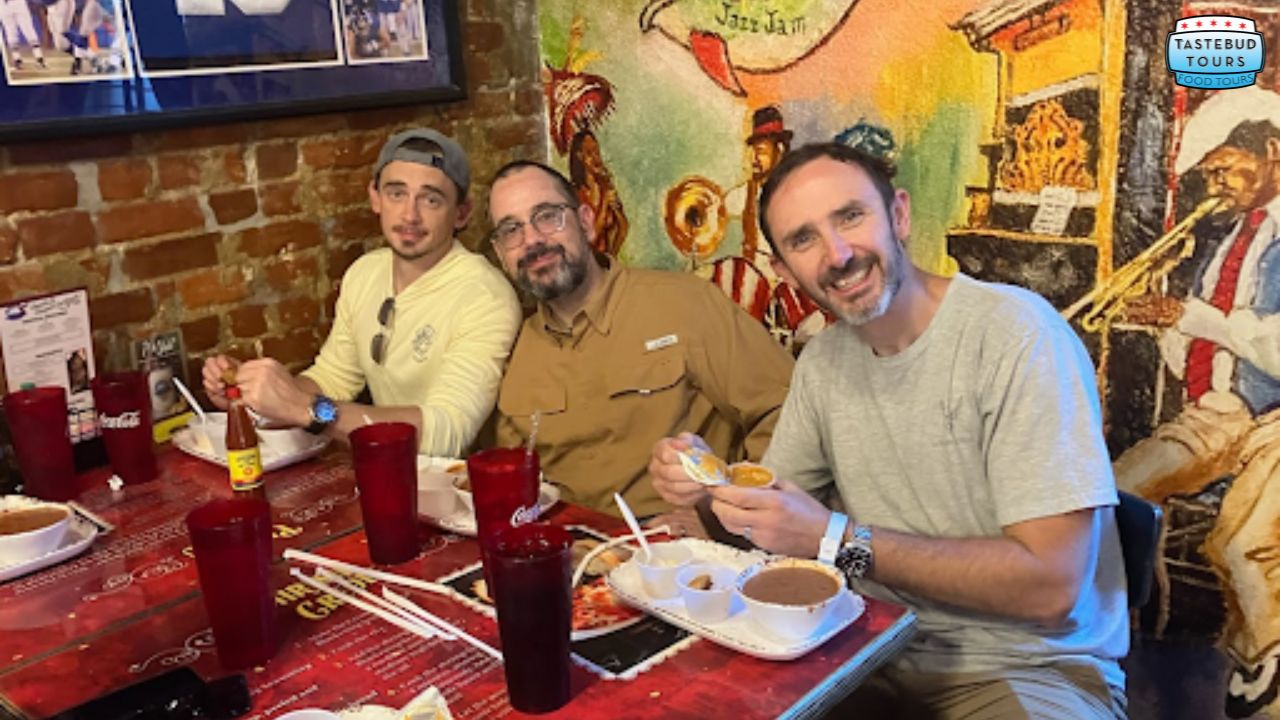
New Orleans food feels memorable because it connects taste with tradition. Every dish carries stories from different cultures that shaped this city. Exploring these dishes helps visitors understand how community and flavor stay linked.
Tastebud Tours blends food and history to help travelers see more than the surface. Guests learn about old recipes, neighborhood roots, and the people behind the meals.
Tips for Trying Iconic New Orleans Dishes
- Try gumbo first to understand local depth and balance.
- Eat beignets early to enjoy them hot and soft.
- Share rich dishes to explore more flavors in one day.
- Ask locals for small places with strong family recipes.
- Drink plenty of water during warm days and spicy meals.
Relishing Food That Connects You to the Crescent City
Eating like a local offers a deeper view of New Orleans culture. The dishes shared above show how this city honors old traditions and celebrates new ideas. With each bite, visitors understand its people and its past.
Exploring food with Tastebud Tours shows how meals become memories. Guests leave with a stronger bond to the city, shaped by bold flavors and warm stories.
New Orleans welcomes everyone willing to taste its history. The journey begins with simple dishes that carry powerful meaning.