
Jambalaya vs Gumbo: A Foodie’s Guide to New Orleans Cuisine
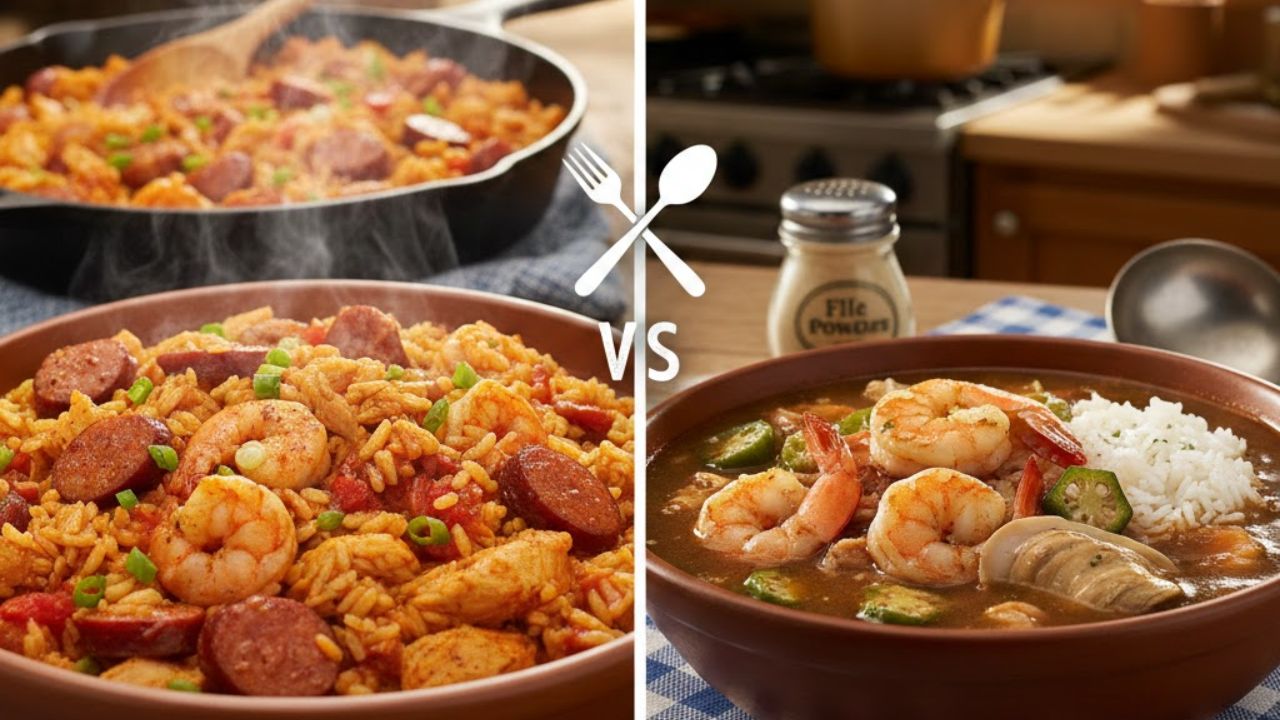
Jambalaya vs gumbo is a choice between a bold rice dish cooked in one pot and a deep, slow stew poured over rice. Both are true New Orleans classics that carry the fingerprints of the city’s past and present in every bite. One speaks in smoke and spice, while the other speaks in warmth and time. Both leave visitors wondering why they ever thought food was just something to eat between sightseeing stops. In New Orleans, meals do not sit quietly on a plate; they arrive with stories.
This guide walks you through what each dish really is, how it tastes, when to choose which, and whether a guided food tour makes sense for first-time visitors who want to eat well without wasting meals.
The Difference Between Jambalaya and Gumbo
Jambalaya is a rice dish where everything cooks together in one pot: meat, seafood, vegetables, stock, spices, and rice. The grains soak up flavor as the pot dries down. What comes out is thick, hearty, and loud in taste.
Gumbo, on the other hand, is a stew. It starts with a roux made from flour and fat cooked until dark. Vegetables go in next. Then comes the stock, followed by meat or seafood. Rice is cooked on the side and added at the end.
The Roots Beneath the Bowl
Jambalaya and gumbo were born from need, not trend.
The former carries Spanish blood. It looks like paella’s cousin, who learned to swear in French. Rice was cheap, and one pot could feed many.
Gumbo blends French cooking with African and Native American wisdom. Roux is from France. Okra from West Africa. Filé powder from sassafras leaves is used by local tribes.
That mix mirrors New Orleans itself: messy, warm, and layered in the most fascinating way.
Jambalaya vs Gumbo: Taste in Plain Words
People often search for jambalaya vs gumbo taste because menus rarely explain the difference.
Here is the honest version.
Jambalaya tastes smoky and bold. Sausage fat coats the rice, chicken brings depth, and shrimp adds a sweet bite. Spices wake the tongue as each bite feels fulfilling. Tomatoes add a faint tang that cuts through the richness. The flavors hit all at once, loud and satisfying, with no single note hiding behind another.
Gumbo tastes slow. The roux gives it a nutty base. The broth carries heat softly. Seafood gumbo carries a gentle sweetness from shrimp and crab that blends into the broth, while chicken and sausage gumbo tastes bolder, with peppery spice and a rich, meaty depth. Each spoonful leaves a long, savory aftertaste that keeps building as you eat. Seafood gumbo feels light but deep. Chicken and sausage gumbo feels dark and rich.
Jambalaya fills the stomach fast, gumbo fills the room with smell before it fills the belly.
How to Make the Perfect Choice Between Jambalaya vs Gumbo
The best choice rarely comes when reading long menu notes. It usually comes from noticing your mood and the kind of day unfolding around you. Food in New Orleans follows the weather, the noise, and even the pace of your walk.
People who want to feel full for hours often lean toward jambalaya. The rice carries a deep flavor. The sausage adds weight. The bowl slows the afternoon in a good way and makes dessert feel optional.
Those who enjoy soup and sauce more than rice often feel happier with gumbo. It invites slow bites and quiet pauses. The broth warms the chest and softens the edges of a long day. On cold or wet days, gumbo feels right. It warms the hands through the bowl and the shoulders through the steam. It tastes like shelter.
On loud, bright days when music spills onto the sidewalk and the air hums with chatter, jambalaya fits the mood better. It is bold, busy, and full of life.
Many locals switch their order based on the weather alone.
Common Mistakes Visitors Make
Visitors often chase famous names, glowing reviews, or places listed in every guidebook. Locals do something simpler. They follow their instincts. In New Orleans, good food announces itself before the door opens. Garlic hangs in the air, smoke drifts down the block, and butter whispers from open windows.
Bad jambalaya is easy to spot once you know what to look for. It tastes like plain tomato rice with meat dropped in at the last minute, as if the ingredients never had time to become friends. Bad gumbo is just as sad. It looks thin and pale, like brown water pretending to be stew. The flavor is off, with no roasted taste that a proper roux should impart. A numb hollowness pulls you into the bland ricochet of spices that never bloom and an instantaneously disappearing broth on your tongue.
A few small signs can save a meal and a mood:
- Gumbo that shines instead of looking dark and soft: A proper roux gives it a deep, cloudy tone, not a glossy surface.
- Jambalaya, where the rice stays white or stiff: Good rice absorbs stock and turns warm in color and taste.
- No smell of garlic, onion, or smoke near the door: Great kitchens cannot hide their scent.
- Menus packed with glossy photos of every dish: The best gumbo and jambalaya places rarely need pictures to convince anyone.
Another quiet trick is watching the line. Follow the people who look bored, not excited. The ones scrolling their phones, leaning on one foot, already knowing what they will order.
Why Do Food Tours Enter the Picture?
Many travelers quietly ask, “Do I need a guide just to eat?”
Fair thought.
New Orleans hides its best food in small rooms, bars that look closed, and kitchens with no signs. That is why food walks exist.
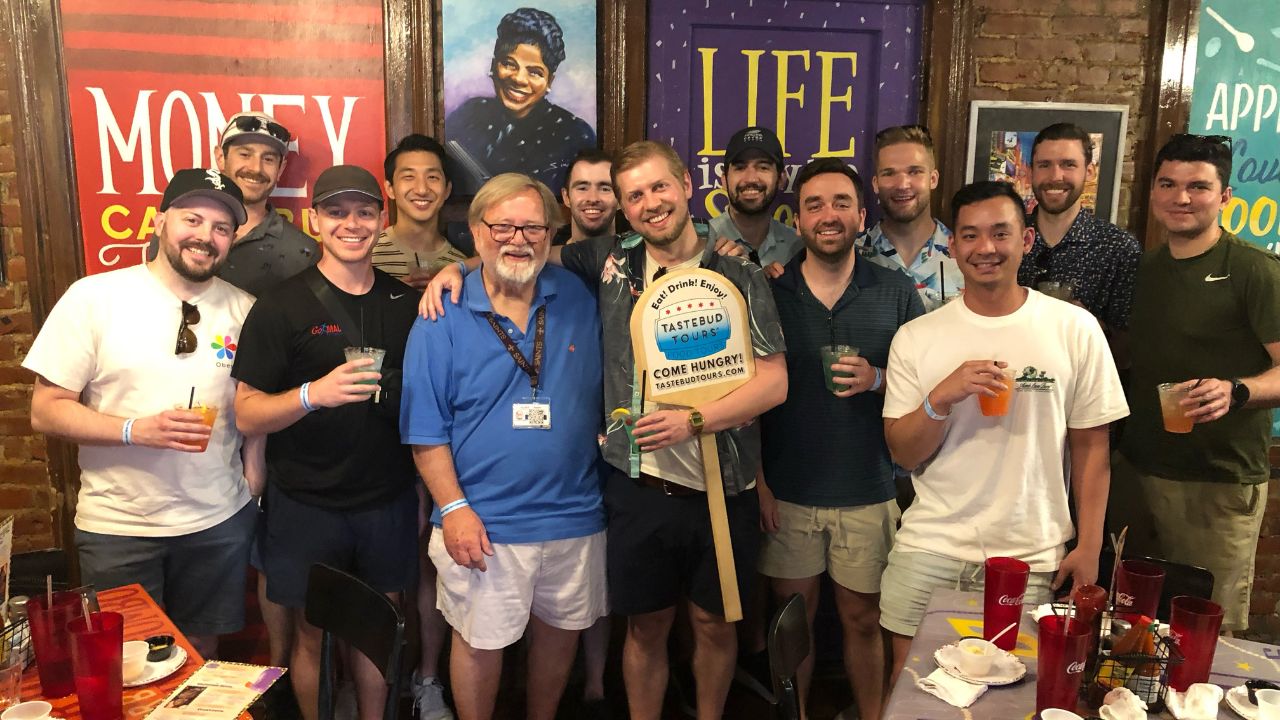
We at Tastebud Tours build routes around family kitchens and neighborhood spots, not only famous names. Our food tours often include places where gumbo simmers for half a day and jambalaya cooks in battered iron pots.
Our guides are there to explain the stories and history behind the dishes served. You can have in-depth knowledge about things like why one roux is darker, why one sausage tastes smokier, or why shrimp tastes sweet in spring and muddy in fall.
Once you understand their roots, the dishes reveal far more than flavor.
What Goes Into Each Dish
Every pot tells a small story. Some stories start at the fish market. Others at a butcher’s counter. Some start with a grandmother’s rule written in memory, not ink.
Jambalaya always begins with rice, but it grows into something heavier:
- Long-grain rice that holds the dish together
- Chicken or shrimp, chosen by season
- Andouille sausage, smoky and loud
- Onion, celery, bell pepper, soft and sweet
- Garlic, never shy
- Stock, poured like a promise
- Paprika, cayenne, and black pepper to wake the pot
Gumbo begins with patience:
- Roux from flour and fat, stirred until dark
- Onion, celery, and bell pepper melting into it
- Stock, thin but strong
- Chicken or seafood, added gently
- Andouille sausage, unless seafood rules the pot
- Okra or filé powder thickens the broth
- Rice on the side, waiting for its turn
Creole cooks add tomatoes to jambalaya, while Cajun cooks usually shake their heads at that idea.
Seafood gumbo often stands alone without sausage. These are not menu choices. They are family borders.
Why These Bowls Stay in Memory
Hotels blur together after a while, as do street names and room numbers. Meals behave differently. Food ties itself to place through smell, sound, and routine, which is why travelers often remember what they ate for a long time.
In New Orleans, that memory forms through small details. Steam rises from heavy bowls. Spoons tap against ceramic. A nearby table debates sausage in seafood gumbo while music drifts in from outside. These moments surround the food and become part of its meaning.
Over time, jambalaya and gumbo become more than a menu choice. One reflects motion, crowd energy, and bold flavor. The other reflects patience, depth, and quiet warmth. Together, they show how the city balances celebration with calm.
Both dishes come from the same roots: long workdays, simple ingredients, and kitchens built to feed many people well. Recipes change, but the purpose stays the same. They offer comfort, identity, and a reason to slow down.
Years later, travelers forget street names but remember the bowl. And in the end, most realize the choice was never only about rice or stew. It was about which side of New Orleans they connected with most.