
7 Creole vs Cajun Food Differences to Know on Your Louisiana Trip
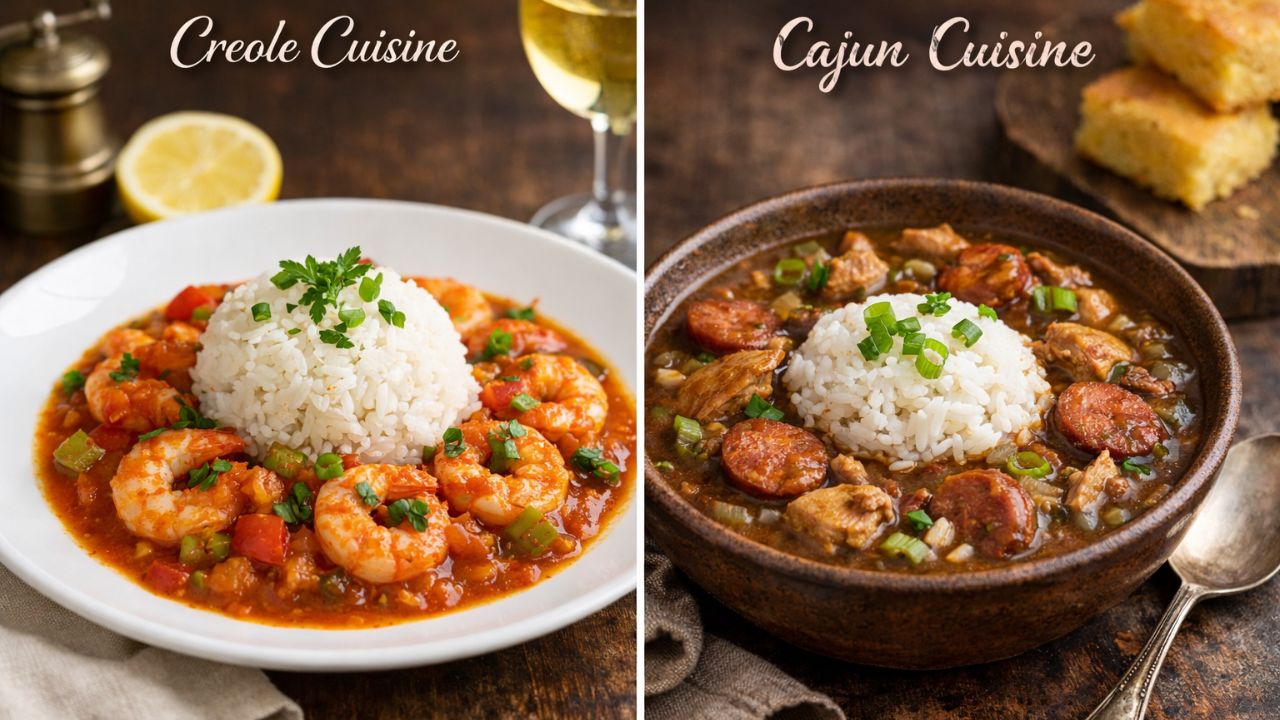
Creole food is city-born, rich, and layered, while Cajun food is rural, bold, and built for survival.
That is the short answer most people want when they search for creole vs cajun foods. But food is never just food in Louisiana. It is history on a plate. It is a family memory. It is also the difference between a slow lunch in New Orleans and a smoky pot cooking near a bayou.
Many readers come in with one simple doubt: Are Creole and Cajun food basically the same? They are not. They share roots, yes. But they originated in different places, with different people, and for different reasons.
This guide explains the real differences in a simple, practical way, based on how the food is cooked, served, and ordered even today.
Creole vs Cajun Foods: The Difference Starts with Place, Not Spice
The biggest creole vs cajun food difference is geography.
Creole food grew in New Orleans, which is a port city. Ships came in with tomatoes, spices, wine, and ideas from France, Spain, Africa, and the Caribbean.
Cajun food grew in the countryside with swamps, farms, and small towns. The cooks were French settlers pushed out of Canada. They used what they could hunt, grow, or catch. Nothing fancy. Nothing wasted.
That one detail shapes everything else.
City food is more complex and polished. Country food is rather simple and tough in the best way.
7 Distinct Differences: Creole vs Cajun Foods
Creole and Cajun food are often grouped together, but they come from different traditions and follow different cooking styles. Understanding these differences helps you order with confidence and enjoy Louisiana’s food culture more fully.
1. Creole Uses Tomatoes. Cajun Usually Does Not.
This difference surprises most first-time visitors.
Creole dishes often start with tomatoes: red jambalaya, red sauces, rich stews with a soft, sweet edge.
Cajun cooks avoid tomatoes in classic recipes. Their jambalaya is brown. Their sauces are dark. Their flavors come from meat drippings, onions, smoke, and time.
It is not a rule carved in stone. Some kitchens mix styles nowadays. But walk into an old family place outside the city and ask for tomato jambalaya. You may get a long look before you get a plate.
Creole feels like a long dinner with candles. Cajun feels like a campfire after work.
2. Creole Food is More Refined. Cajun Food Keeps it Humble.
Creole cooking started in professional kitchens, with trained chefs and busy restaurants. How the food looks matters almost as much as how it tastes. Plates are neat. Sauces are smooth. Every detail is considered.
Cajun cooking grew at home. Big pots on the stove. One spoon passed around. Food is made to keep people full and moving through long days of work. No fancy touches. Just honest meals that do their job well.
So Creole menus often include:
- Shrimp remoulade
- Oysters Rockefeller
- Cream sauces
- Fancy desserts
Cajun menus lean toward:
- Boudin sausage
- Crawfish étouffée
- Smoked pork
- One-pot meals
Both taste great. But the intent is different.
3. The Spice Level Shows a Clear Difference
Many people assume Cajun food is always very spicy. That is not true.
Cajun cooking focuses on strong flavors, not just heat. Garlic, black pepper, onion, and smoke do most of the work. Spice is there to support the dish, not overpower it.
Creole cooking uses a wider mix of tastes. You often get sweetness, acidity, salt, and mild heat in the same bite. Sauces are designed to feel complex and balanced.
So the real creole vs cajun food difference comes down to how flavors are combined.
Creole cooking layers several flavors together. Cajun cooking keeps flavors strong and direct.
4. Ingredients Reflect Who Had Access to What
Creole cooks had access to markets. They had fresh herbs, butter, cream, and seafood brought in daily. Cajun cooks relied on what was available nearby. River fish, rice, and local vegetables were their major ingredients.
So you will see a difference in terms of richness and taste:
Creole ingredients
- Tomatoes
- Butter
- Cream
- Shellfish
- Fine herbs
Cajun ingredients
- Pork fat
- Rice
- Crawfish
- Duck
- Smoked sausage
That is why Cajun dishes often feel heavier. They were built for long days in heat and mud.
5. Roux is Shared, But Treated Very Differently
Both cuisines use roux. Flour and fat are cooked together. But how they cook it changes everything.
Creole roux is light to medium. Golden. Nutty. Smooth.
Cajun roux is dark. Sometimes near black. Thick. Bitter in a good way.
It takes patience. Stir too slow, it burns. Stir too fast, and it stays pale.
In small Cajun towns, learning to make dark roux is a rite of passage. Kids grow up watching it bubble like hot mud on the stove.
6. Dining Style Changes the Whole Experience
Creole meals often happen in restaurants with white tablecloths. Or in old houses turned into dining rooms.
Cajun meals happen where life happens: backyards, dance halls, or roadside shacks. That shapes how people eat.
Creole food is served in courses. Cajun food is passed around.
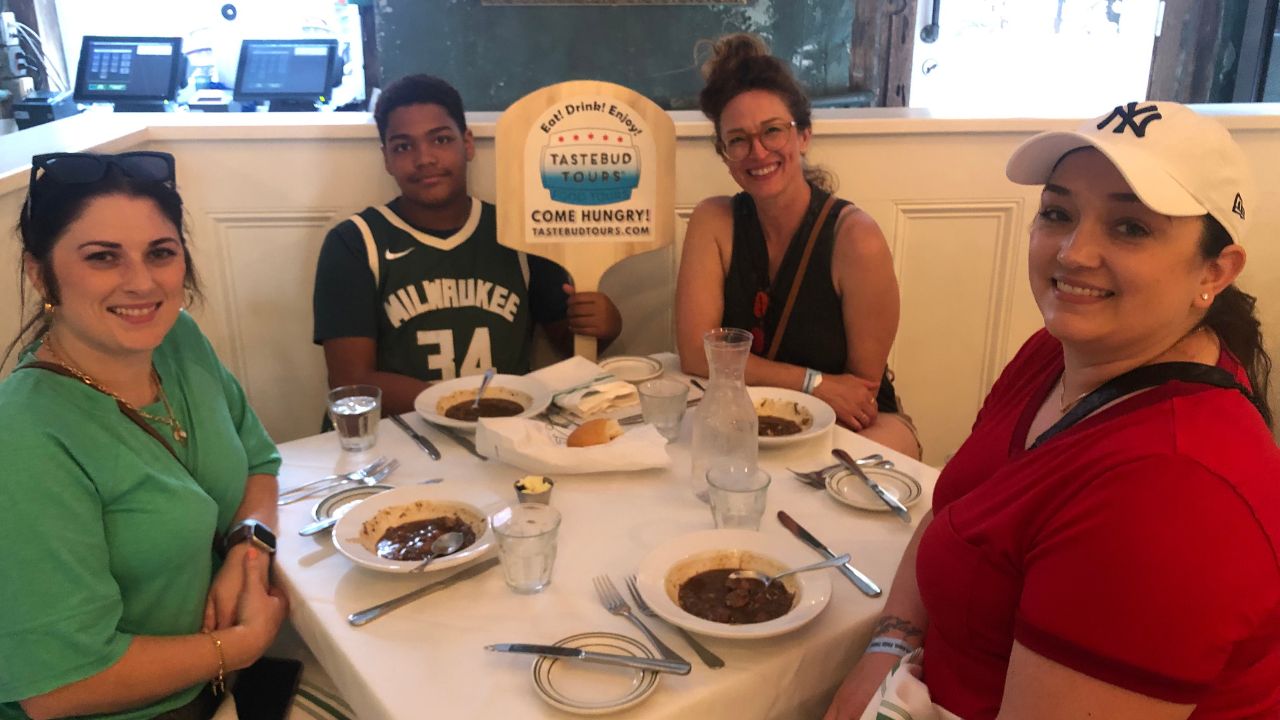
This is why food tours in New Orleans feel different from food trips outside the city. Some guided walks, like the small-group tastings offered by Tastebud Tours, lean into this contrast. One stop might be a polished Creole kitchen, next, a loud room with plastic chairs and gumbo that stains the bowl. Their New Orleans routes often mix both styles, so visitors can taste the maximum variety of foods during their trip.
7. The Names of Dishes Hide Different Roots
Two menus may list the same dish name. The food arrives looking similar. Then you taste it and realize the sharp difference.
Gumbo is the best example.
Creole gumbo may include:
- Tomatoes
- Shrimp
- Crab
- Okra
Cajun gumbo often includes:
- Dark roux
- Chicken
- Sausage
- No tomatoes
They are the two dishes with the same name, but with different histories.
How to Choose Between Creole and Cajun Food
Many people feel they need to choose one style over the other. That is not really necessary.
People should select their decision method through this question.
“What kind of meal do I want today?”
Select Creole cuisine when:
- You want to taste multiple flavors through one culinary creation.
- You enjoy consuming seafood dishes that include various types of sauces.
- You prefer dining experiences that allow you to sit down for an extended period.
Select Cajun cuisine when:
- You want a meal that provides substantial content through basic preparation methods.
- You enjoy tasting food that has intense and dominating smoke flavors.
- You prefer simple, hearty dishes.
Louisiana residents regard dining as essential to their daily routines and territorial customs. Visitors organize their food stops just like they schedule their museum visits and music venue outings.
That is why some people book short walking food tours early in their visit. It removes the guesswork. You learn what to order. You avoid places that only cater to tourists. You also understand why similar dishes, like gumbo, can taste so different depending on where you eat them.
At Tastebud Tours, we design our routes around real food traditions. Guides explain who started certain recipes, why some neighborhoods specialize in oysters, and why some kitchens do not use tomatoes at all. Visitors learn about their food through this context, which helps them understand their meal better
A Final Thought Before You Choose
Creole and Cajun dishes are two culinary traditions that originate from Louisiana, yet they offer distinct dining experiences that appeal to different customer preferences.
Creole cuisine attracts seafood lovers who enjoy dining on lavish restaurant dishes that contain rich sauces. People who prefer straightforward yet satisfying dishes that contain strong flavors tend to favor Cajun cuisine.
After trying both styles, most diners develop a clear preference based on taste and their usual eating habits. Knowing these differences makes it easier to choose restaurants and understand menus. It also helps travelers plan their meals in Louisiana with confidence.