The Ultimate Guide to Vegan Food in New Orleans: Food Tours & Plant-Based Eats
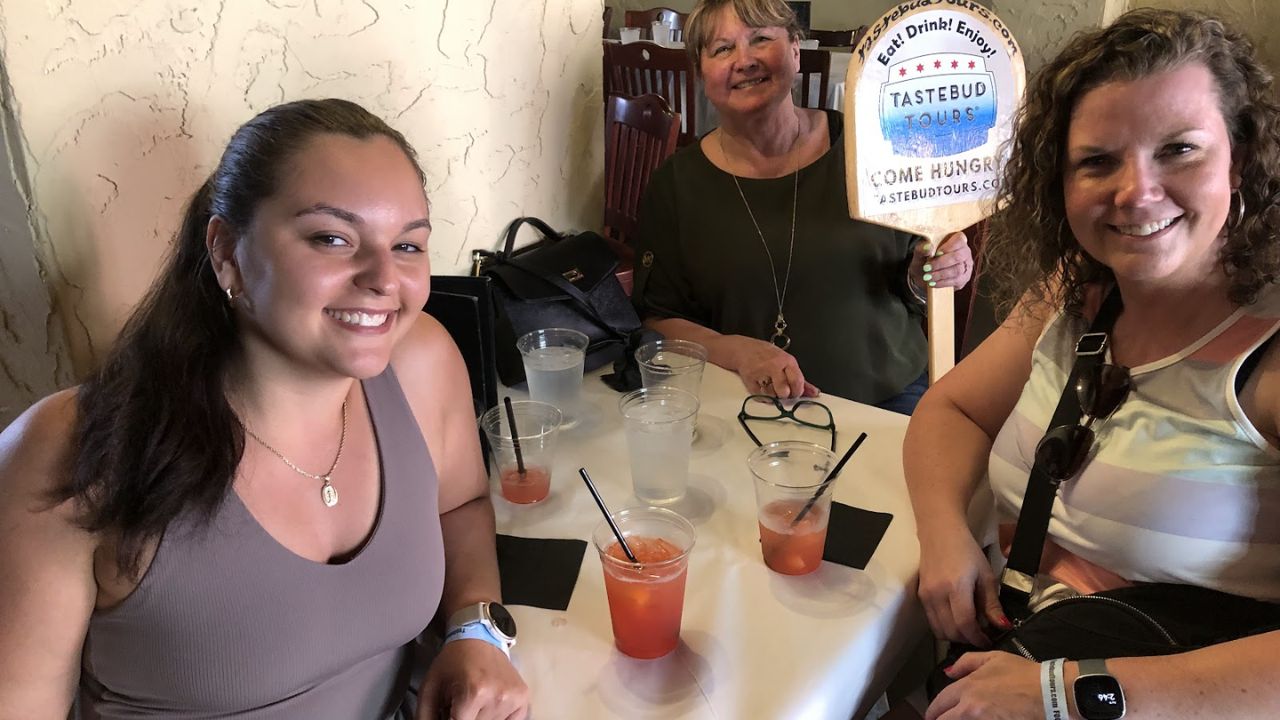
Vegan food in New Orleans is rich, bold, and easier to enjoy than most people expect, especially with the help of a guided food tour.
New Orleans is known for butter, meat, and deep-fried classics. At first glance, it does not look vegan-friendly. But step past the surface and something else appears. A plant-based food scene that feels soulful, filling, and deeply local.
For travelers searching for vegan food in New Orleans, one question comes up fast and often. Can this city really deliver great vegan meals without constant compromise? The answer is yes. And food tours are often the smartest way to discover that truth.
This guide is for people thinking about guided food tours in New Orleans. It offers calm, honest advice.
Why is Vegan Food in New Orleans Worth Your Time?
Vegan food in New Orleans works because it follows the city’s rules. Flavor comes first, and tradition comes next. Nothing is rushed. Local cooks know how to build taste without meat. They use spice, heat, and time. Red beans cook low and slow with smoked vegetables. The pot stays on for hours. The result feels familiar and filling.
Gumbo does not rely on meat to work. The base matters more. Dark roux adds depth, okra thickens the broth, and mushrooms bring texture. Each step mirrors the original method.
These are not side dishes but full meals. Plates arrive heavy, and therefore, you leave full, not wondering what is missing.
Food in New Orleans always carries history. Recipes come from families and neighborhoods. Many vegan dishes follow those same paths. Only the ingredients change. That context matters here. When you eat, you learn why the dish exists and understand how it evolved. Vegan food here feels honest because it stays rooted in place.
That is why it is worth your time.
Why does a Guided Food Tour Make Sense for Vegans?
This question comes up early. Do you really need a guide to find vegan food here?
In theory, no. In practice, yes.
New Orleans spreads wide. Vegan options hide inside mixed menus. Some rotate daily, others appear only if you know what to ask for. A guided food tour removes that uncertainty.
Guided food tours in New Orleans do a few things very well:
- It avoids tourist traps
- It pre-arranges vegan-friendly dishes
- It explains the food, not just serves it
That matters when time is limited, and meals matter.
How do Food Tours in New Orleans Support Vegan Travelers?
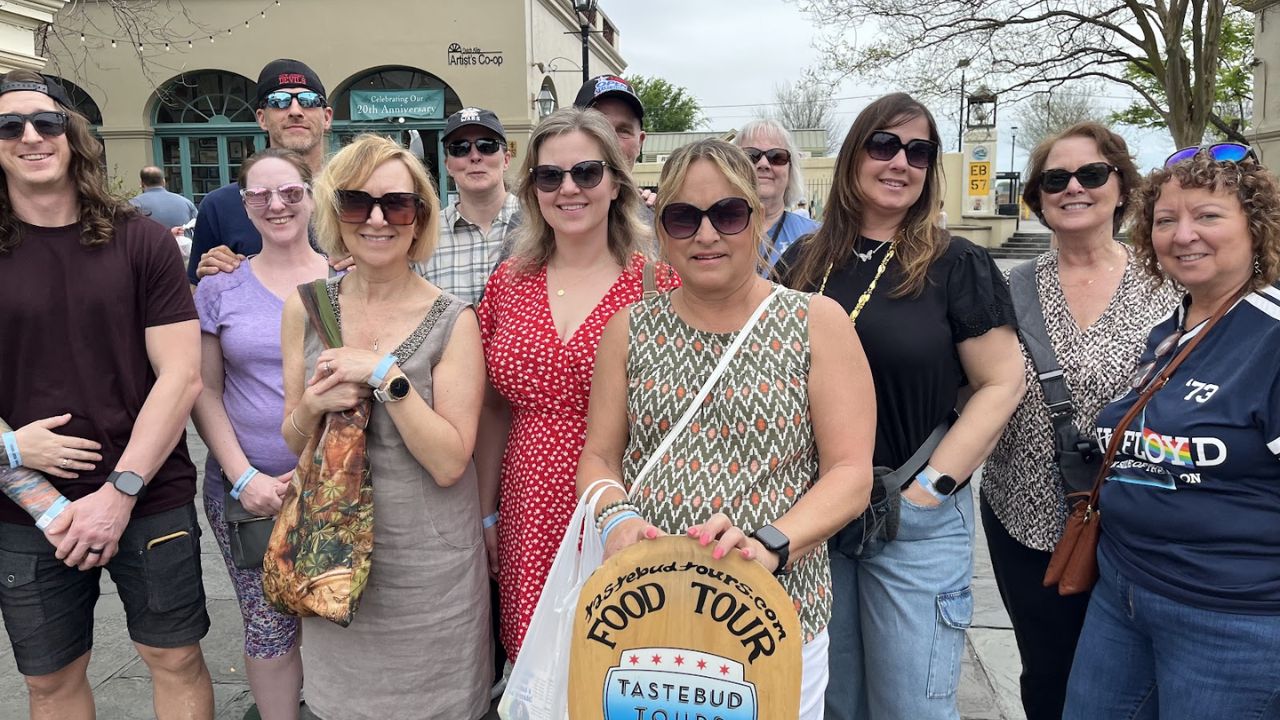
Not all food tours in New Orleans are built the same. Some focus on cocktails. Some focus on history. Some rush from stop to stop. The better ones adapt to dietary needs without drama. Vegan guests are not treated as exceptions. They are part of the group.
Tastebud Tours follows this approach closely. Their tours focus on small groups, local restaurants, and storytelling. Food is not handed out on sidewalks; it is served inside real kitchens.
While the tours are not vegan-only, the team is known for working closely with guests who have dietary needs. That coordination helps visitors enjoy vegan food in New Orleans style without losing authenticity.
What are Popular Vegan Dishes to Expect?
Many travelers worry about variety. Will every stop feel the same?
In New Orleans, that rarely happens.
On a well-planned tour, vegan dishes often include:
- Creole classics made plant-based
- Seasonal vegetables with bold spice
- Stews built on beans, mushrooms, or jackfruit
- Bread, rice dishes, and traditional sides
A good guide explains why each dish works. Why does the spice blend matter? Why does okra thicken gumbo naturally? Those small explanations turn food into experience.
Understanding Vegan Food in New Orleans
Vegan food in New Orleans feels different from vegan menus elsewhere. It leans into comfort. It values fullness and avoids minimalism.
Whether reading menus alone or trusting a guide, expect a few things:
- More than one vegan option
- Familiar Southern dishes done thoughtfully
- Sauces and sides that are naturally plant-based
On food tours, guides often speak directly with kitchens. This ensures vegan guests receive dishes the restaurant is proud of. It avoids the common letdown of a rushed substitute.
Is a Vegan Food Tour Worth the Cost?
This is where many people pause. Tours cost more than walking in alone. So is it worth it?
For most vegan travelers, the answer depends on priorities. If food is central to the trip, a tour often earns its price.
The value goes beyond eating:
- Local insight you cannot Google easily
- Planned stops that save hours
- Stories tied to neighborhoods and culture
- Confidence that vegan needs are handled
We at Tastebud Tours focus on pacing and quality. Groups stay small. Conversations flow. Stops feel intentional. That suits travelers who want depth, not chaos.
Best Time to Take a Vegan Food Tour in New Orleans
Timing changes everything. Heat, crowds, and festivals shape the experience.
A few simple guidelines help:
- Mornings and early afternoons feel cooler
- Weekdays feel calmer
- Festival weeks bring energy and crowds
Experienced guides adjust routes as needed. That flexibility matters more than people expect.
How to Choose the Right Vegan-Friendly Food Tour?
Not every tour advertises vegan options clearly. Asking the right questions helps.
Look for tours that:
- Mention dietary needs openly
- Work with local restaurants
- Keep groups small
- Balance food and storytelling
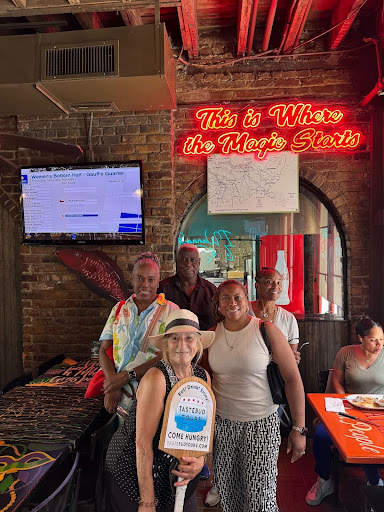
Tastebud Tours fits these points well. Our guides adapt without making guests feel singled out.
Exploring Vegan Food in New Orleans After the Tour
Food tours build confidence. Many travelers use them as a starting point.
After a tour, exploring alone feels easier:
- Neighborhoods make sense
- Menus feel familiar
- Asking questions feels natural
Local Flavor That Stays With You
New Orleans rewards curiosity. Vegan food here feels woven into the city, not added as an afterthought. Food tours help reveal that quickly.
A good guide feeds you and explains why the food matters. That understanding stays long after the meal ends.
And once you taste a deeply spiced vegan gumbo that stands proudly beside any classic dish, one thought often lingers. If this city can do this with plants, what else has it been quietly doing right all along?