
Best Cajun Food in New Orleans: 6 Dishes You Absolutely Must Try
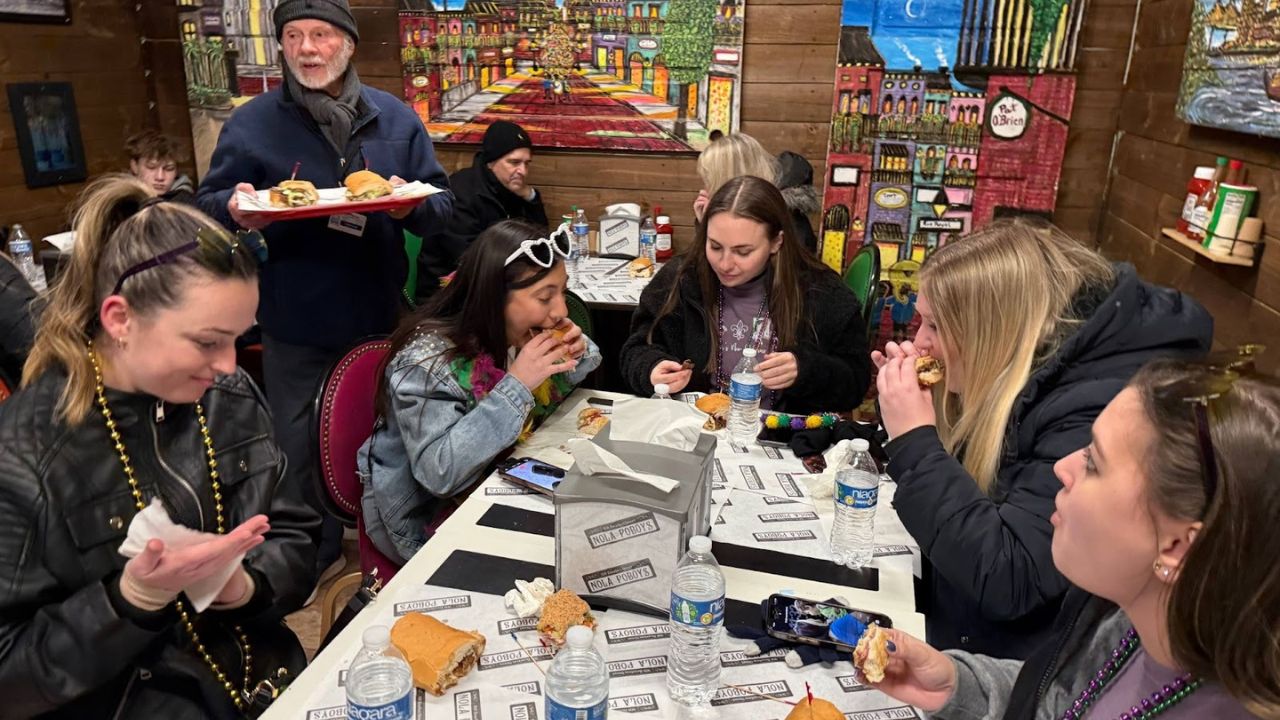
The best Cajun food in New Orleans is bold and full of flavor. Big pots cook slowly in busy kitchens. The smell alone pulls people in. Here, food is not just a meal. It is part of daily life.
Popular Cajun dishes include gumbo, jambalaya, crawfish étouffée, po’boys, boudin, etc. You will see these foods all over the city. In small cafés, busy restaurants, and on food tours.
Many visitors come with the same question: What should I try first?
It is a fair question. Menus can be long, and there are so many places to eat. A good start is the classic Cajun dishes that locals have enjoyed for years.
Some travelers explore on their own, while smart ones join guided food tours like the ones at Tastebud Tours. A local guide can help point out the dishes that really matter and the stories behind them.
How the Best Cajun Food in New Orleans Became a Local Tradition?
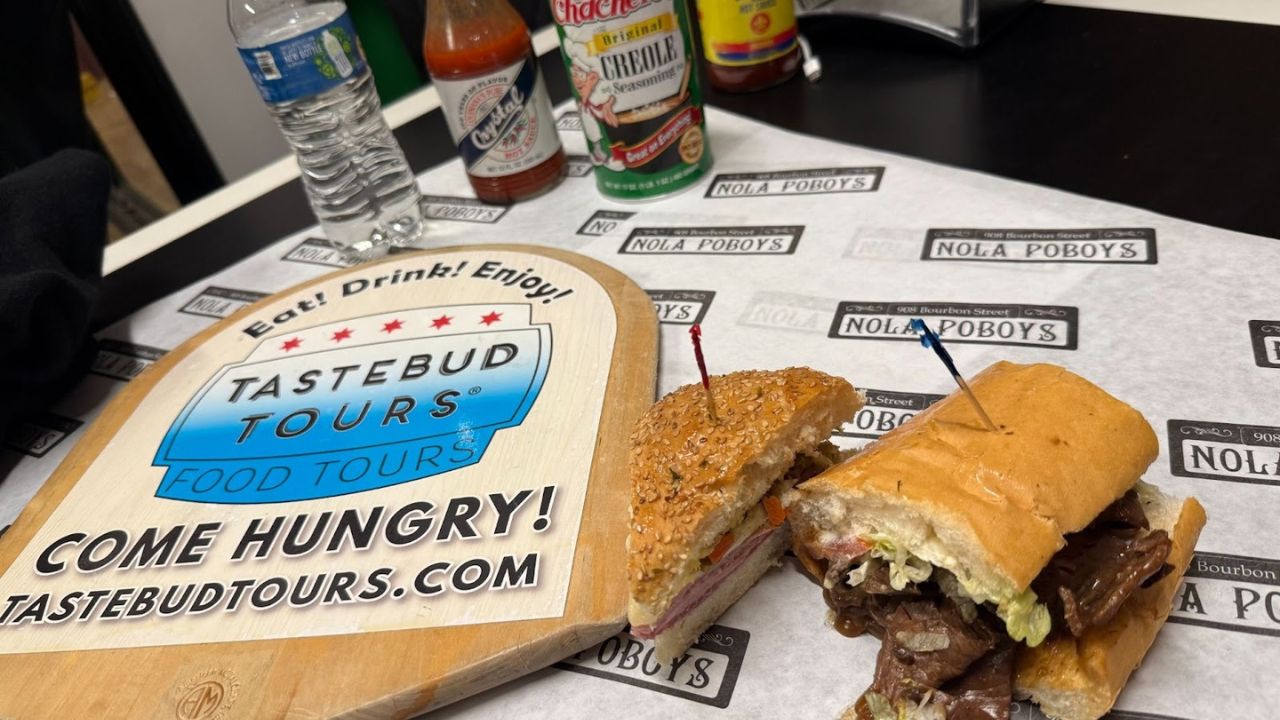
Cajun cooking began with French Acadian settlers who ended up in Louisiana centuries ago. They brought recipes from home. Then they adjusted them. Local seafood replaced old ingredients. Rice became a staple, and spices grew louder.
And slowly, a new cuisine formed.
Today, Cajun food feels deeply tied to Louisiana life. Pots simmer for hours, the roux turns dark brown, and the seasoning gets generous.
Visitors exploring the best Cajun food in New Orleans, French Quarter, often notice that the food here feels personal. Restaurants don’t just serve dishes, they talk about them. Someone’s grandmother made it this way. Someone’s uncle insists the roux should cook ten minutes longer.
That kind of storytelling shows up often during guided tastings like Signature Tastes of New Orleans du Jour. Food arrives on the table. Then the stories follow. And suddenly the dish feels older than the city block it’s served on.
Top 5 Best Cajun Food in New Orleans
Anyone searching for the best Cajun food in New Orleans will likely come across the classics listed below. They appear again and again in local restaurants, food markets, and guided tasting tours across the city.
1. Crawfish Étouffée
Crawfish étouffée might be the dish that quietly steals the show for first-time visitors.
It doesn’t look flashy at first. Just a bowl of rice covered in thick sauce. But then the smell of butter, garlic, and peppers hits. The word “étouffée” means smothered. That’s exactly what happens here.
Crawfish tails cook slowly in a rich sauce built from butter, onions, celery, and bell peppers. The famous Cajun “holy trinity.” Everything softens together. The sauce thickens, and then the whole thing gets spooned over rice.
And something interesting happens when tasting étouffée around New Orleans – No two bowls taste the same.
One restaurant leans heavily on butter. Another pushes the spice. Another cooks it just long enough for the crawfish to stay delicate.
That unpredictability makes the search fun.
2. Cajun Jambalaya
Jambalaya is loud food. The kind of meal that feels like a celebration even when eaten on a Tuesday. It starts with rice, then layers of chicken, smoked sausage, shrimp (sometimes), tomatoes, and spices pile in.
Everything cooks together in one big pot. The rice absorbs all the flavor, the sausage adds smoke, and spices wake everything up.
When exploring the best Cajun food in New Orleans, jambalaya often shows up early during food tours. It’s easy to serve in small portions, and it captures the heart of Cajun cooking in a single bite.
3. Gumbo
Gumbo deserves patience.
Good gumbo cannot be rushed. The whole dish begins with a roux. Flour and fat are cooked slowly until they turn deep brown. Sometimes, it’s almost chocolate colored.
That step alone can take thirty minutes. But that’s where the soul of gumbo lives.
Once the roux reaches the right color, ingredients begin joining the pot:
- Andouille sausage
- Chicken or seafood
- Okra or filé powder
- Onion, celery, bell pepper
Then the simmer begins. The smell slowly grows stronger with time. Some restaurants guard their gumbo recipe like a family heirloom.
4. Boudin Sausage
Boudin surprises people. It looks like regular sausage. But the first bite changes expectations quickly.
Inside the casing sits a soft mixture of pork, rice, vegetables, and spices. The texture is almost creamy. Not chunky like typical sausage. Just warm sausage wrapped in paper, eaten while standing near a counter or walking down the street.
Travelers occasionally hesitate before trying it. That’s normal.
But once they do, boudin tends to become one of those “why didn’t anyone tell me about this earlier?” foods.
5. Blackened Catfish
Seafood plays a huge role in Cajun kitchens. Blackened catfish shows exactly why. The fish gets coated in bold spices. Paprika, garlic powder, cayenne, and herbs. Then it hits a blazing hot skillet.
The outside forms a dark crust. Almost charred. Inside stays tender and flaky. The smell alone is enough to pull people into restaurants while wandering the French Quarter.
Blackened cooking became famous thanks to Louisiana chefs experimenting with spice blends decades ago. Today it’s everywhere. The flavor is intense but balanced.
6. Red Beans and Rice
Red beans and rice might look simple. But it carries serious history. Traditionally, New Orleans families cooked this meal on Mondays. Beans simmered all day while laundry and chores happened around the house.
The beans soften, the broth thickens, and smoked sausage adds flavor. By dinner time, the whole pot turns creamy and rich.
Served over rice, it feels comforting in the most straightforward way possible.
No complicated ingredients or flashy presentation. Just good cooking.
Finding the Best Cajun Food in New Orleans
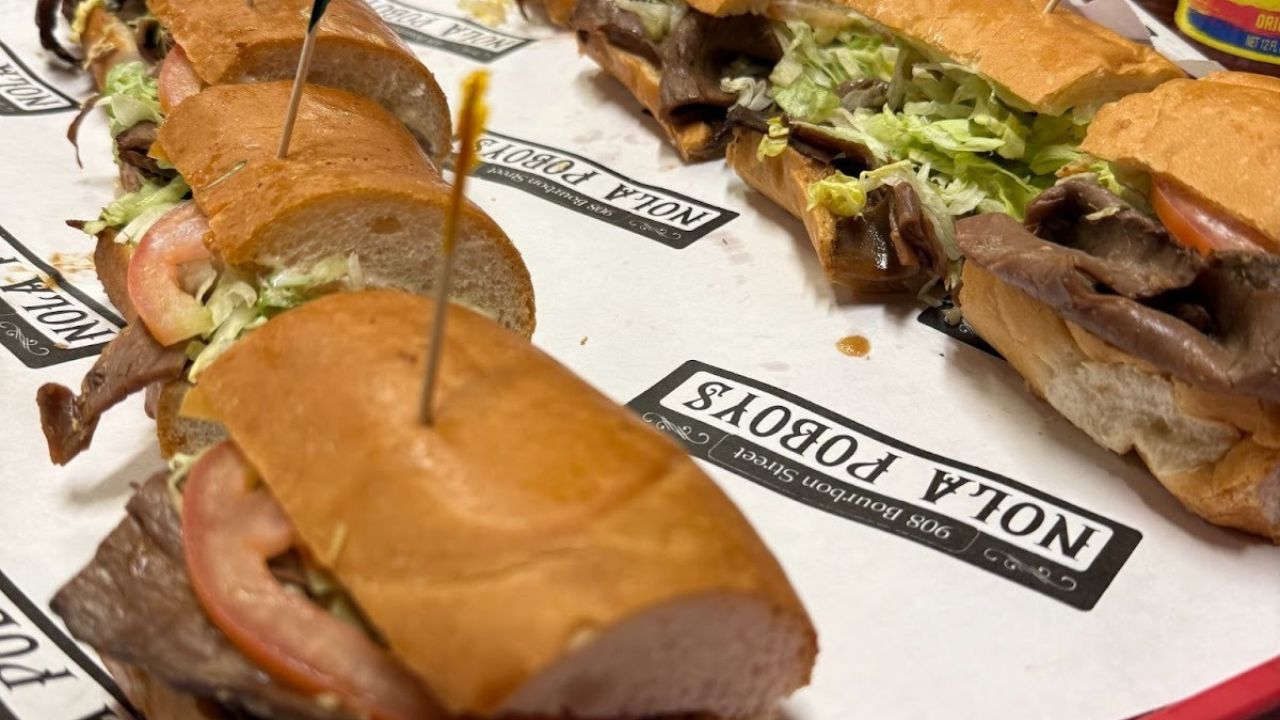
New Orleans has many restaurants, but it can also feel confusing. When visitors walk through the French Quarter, they see menu after menu promising great Cajun food. Some places truly deliver amazing flavors. Others feel more tourist-focused.
So a simple question often pops up.
Should someone just walk around and hope to find a good place?
This is why many visitors choose guided food tours to make the search much easier.
Instead of guessing where to eat, guests follow a local guide who already knows the neighborhood well. The guide takes the group to restaurants with strong reputations and authentic Cajun recipes.
Along the way, the food starts to make more sense. Guests learn small details that many visitors never hear.
These little stories make the food experience much richer. Suddenly, the meal is not just something to eat. It becomes part of the culture of New Orleans.
Why Does Cajun Food Feel Personal?
The best part about Cajun food might be the sense of tradition behind it.
Many New Orleans chefs still cook dishes exactly how their families did decades ago. The same spice blends, same cooking rhythms, and same patience with slow-simmering pots.
That’s why visitors exploring the best Cajun food in New Orleans, French Quarter, often feel something beyond just great flavor.
The meals feel lived in, as servers talk about dishes like they grew up eating them. Kitchens carry recipes that have survived generations.
So the real question isn’t whether Cajun food in New Orleans is worth trying. The better question might be this:
How many of these dishes can be tasted before the trip ends? And which one will be the one that lingers in memory long after leaving the city?