Mardi Gras Food: Master the Flavors of New Orleans
Mardi Gras food is much more than party fare. It is a taste of New Orleans history, family life, and the mix of cultures that shaped Louisiana cooking. If the goal is to learn this food, not just eat it, New Orleans is the right classroom.
The tricky part is knowing where to begin. Gumbo, jambalaya, pralines, seafood, rich sauces, and Creole dishes can fill a whole trip. A guided food tour helps make sense of those flavors. Then a hands-on cooking class shows how to bring part of that New Orleans magic back home.
Why Mardi Gras Food Feels So Special
New Orleans food comes from many cultures. French, Spanish, African, Caribbean, and Southern influences all helped shape the local kitchen. That mix gives the city its unique flavor.
This is also why dishes can vary from place to place. One gumbo may be dark and smoky while another may feel lighter. The texture of Jambalaya can change too. That is part of the charm.
Some classic Mardi Gras food ideas include:
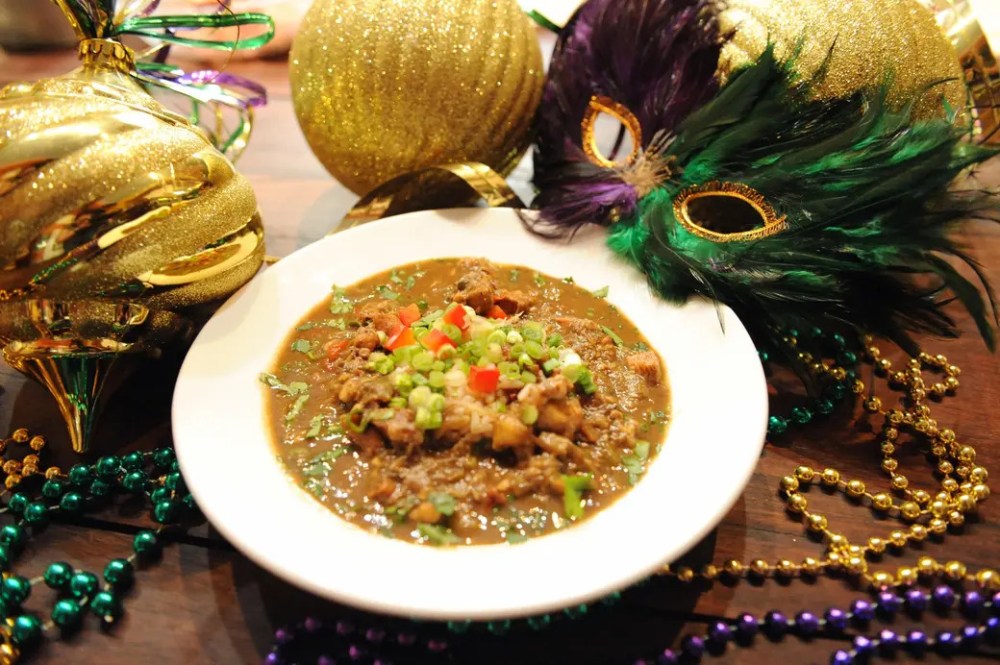
- Gumbo, with a rich base and deep flavor
- Jambalaya, made with rice, meat, seafood, and spice
- Étouffée, often served with seafood
- Pralines, a sweet New Orleans favorite
- King cake, the best-known Carnival treat
- Local seafood dishes, packed with Gulf Coast flavor
You can read recipes for all of them. But recipes only go so far. Some things make more sense when you taste them in the city where they belong.
Start With a New Orleans Food Tour
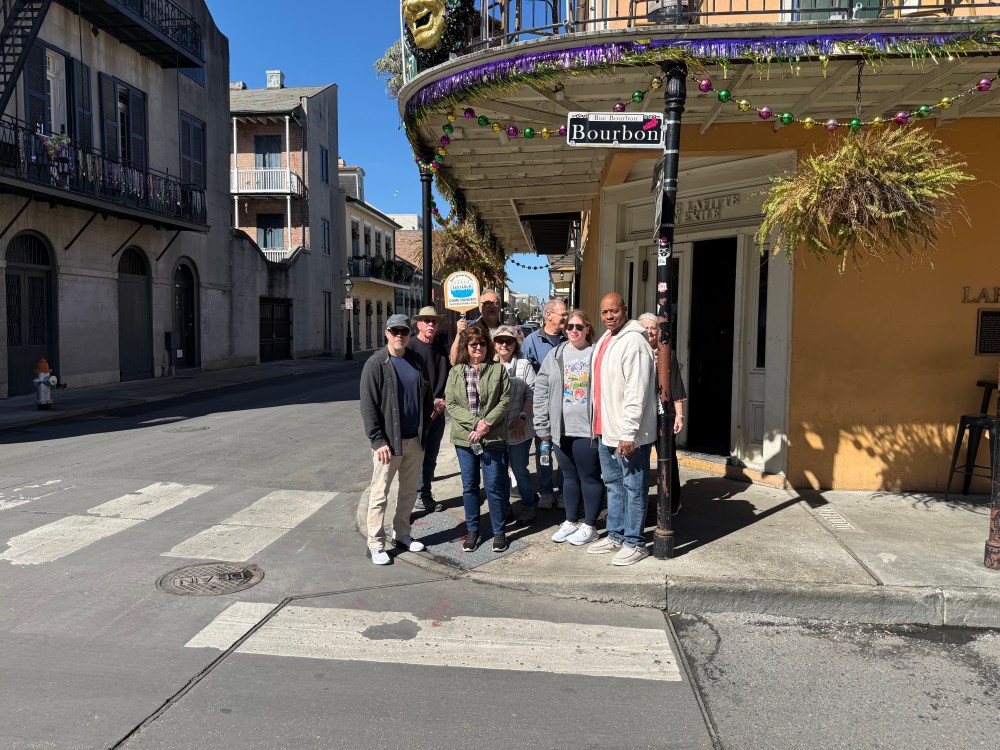
A food tour is a smart first step. It helps you taste several dishes without guessing where to go. It also gives each bite some meaning.
At Tastebud Tours, we offer guided food experiences in New Orleans. Our tours pair local tastings with stories about the French Quarter and its food culture. That makes the meal feel less like a checklist.
You are not just eating gumbo, but also learning why it matters. You are not just trying a praline, but hearing where it fits into local food history. That kind of context can change the way a dish tastes.
A food tour is a good fit if you want:
- Several local tastes in one outing
- A guided walk through the French Quarter
- Stories about New Orleans food and culture
- Help finding dishes you may miss on your own
- A simple option for a first day in the city
You can compare the available New Orleans food tours before you book.
Is a Food Tour Really Worth It?
This is a fair question. New Orleans has restaurants on almost every block. Why pay for a guide? The value is not just the food, it is the context. A good guide helps connect each dish to the city. That saves time and can also help you avoid choosing places based only on busy streets or flashy signs. For first-time visitors, that can be useful.
It also makes later meals easier. Once you know what good local dishes should taste like, ordering becomes more fun.
Want More Than a Taste? Learn to Cook It
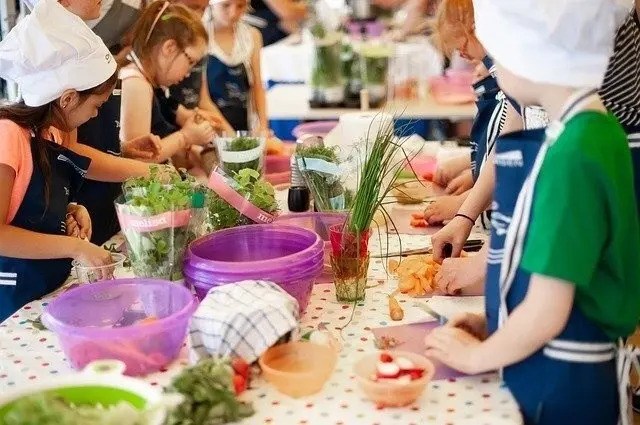
A food tour shows you what New Orleans food can be. A cooking class shows you how it gets there. Tastebud Tours has teamed up with the Mardi Gras School of Cooking. The idea is simple. Guests can go from the streets of the French Quarter to the kitchen. The school offers hands-on Cajun and Creole cooking classes. Guests can learn from chefs and take part in the cooking process.
That matters because many local dishes depend on feel.
Take roux. A recipe can tell you to stir it until it turns brown. But what shade of brown? How fast should it cook? When is it close to burning? Those questions are much easier to answer in a real kitchen.
A cooking class can help you learn:
- How to build flavor in stages
- How to work with a roux
- How local dishes are prepared
- How Cajun and Creole cooking differ
- How to repeat some techniques at home
The Cook Like a Local experience at the Mardi Gras School of Cooking is made for travelers who want to do more than watch.
Is the Cooking Class Good for Beginners?
Yes, you do not need to arrive as a skilled cook. That is part of the appeal. A class gives beginners a chance to ask simple questions without trying to figure everything out from a recipe.
Cooking in New Orleans can sound hard at first. Words like roux, étouffée, Creole, and Cajun may feel new. A chef can make them much easier to understand. The setting also helps. This is not about passing a test. It is about learning, tasting, and having fun with the food.
Beginners may find the class useful because it gives them:
- Clear steps
- Hands-on practice
- Direct help from a chef
- A better feel for timing
- More confidence in the kitchen
And that confidence lasts longer than a restaurant meal.
Food Tour or Cooking Class: Which Should You Choose?
Both are good, but they serve different goals. Choose a food tour if you want to explore. It is best for tasting, walking, and hearing local stories. Choose a cooking class if you want a skill. It is better for people who want to learn how the food is made.
Book both if food is a big reason for your New Orleans trip.
A simple way to decide:
- Want to taste more? Pick the food tour.
- Want to cook more? Pick the class.
- Want the full experience? Do both.
The order can matter too. Starting with the tour is often a good move as it gives your taste buds a reference point. Then, when you cook, you already know what some of those flavors should feel like.
Mardi Gras Food Ideas Are Better When You Know the Story
Anyone can search for Mardi Gras food ideas online. You will find endless recipes in seconds. But a screen cannot show you everything.
It cannot let you smell a roux as it changes.
It cannot explain why one local dish sparks a strong opinion.
It cannot tell you why people in New Orleans care so much about food.
That is what makes learning in the city different.
For travelers who want a practical food experience, pairing a tour with a cooking class makes sense. Start with Tastebud Tours and explore the city’s flavors. Then step into the Mardi Gras School of Cooking and learn how some of those flavors come together.
You may arrive in New Orleans looking for a great meal. The better question is this: will you leave knowing how to make one?