
When Is Crawfish Season in New Orleans? 5 Insider Tips
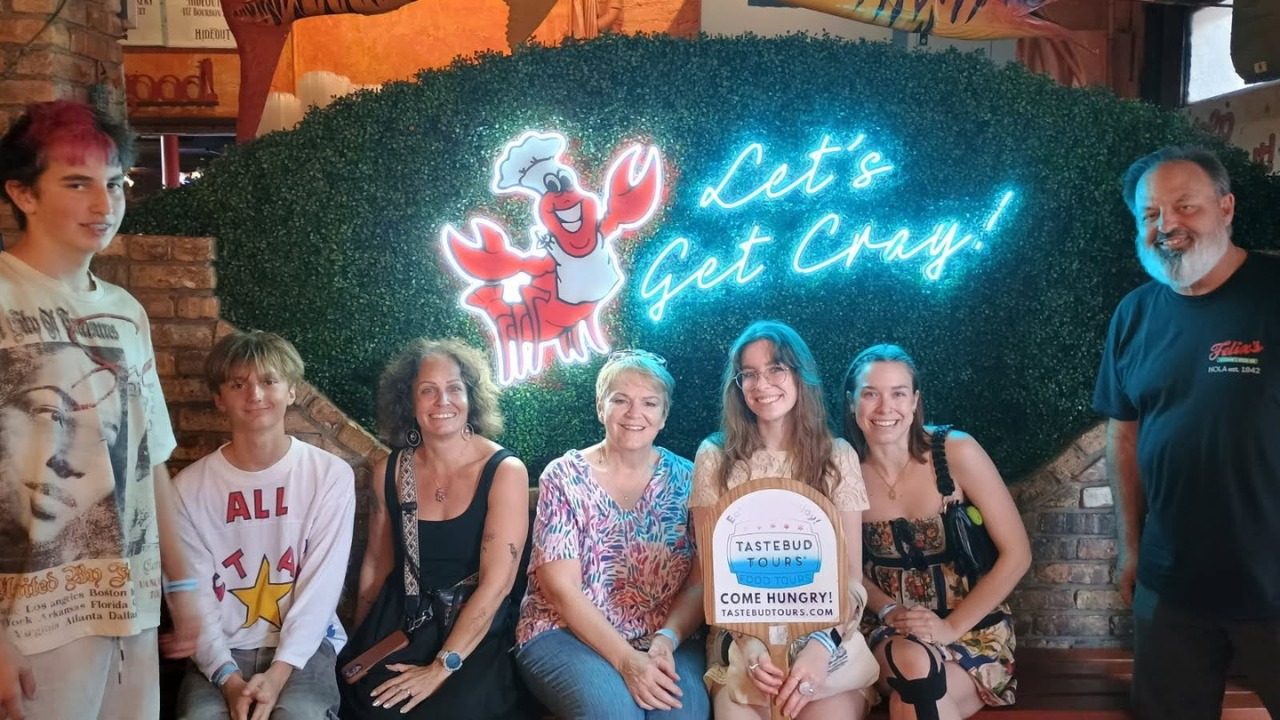
When is crawfish season in New Orleans? If crawfish is a big reason for your trip, aim for March through May. That is the main part of the season, and April is a particularly good time to visit if you also want to walk around the city and enjoy its food scene.
You can find crawfish outside those months. Just don’t build your whole trip around getting a specific boil unless you have checked what is available. The catch changes with weather and growing conditions, so one year’s season does not always look exactly like the next.
That little bit of flexibility can save you some frustration.
When Is Crawfish Season in New Orleans?
Visit New Orleans gives January through July as the broader crawfish season, with March, April, and May as the peak months. LSU AgCenter research also points to spring as the main harvest period. For a traveler, that means one thing: spring is your safest window. It also helps to know what the months look like before you book a flight.
| Month | What you can expect | For crawfish fans |
| January | Early-season crawfish may be available | Worth checking |
| February | Supply is building | A possible choice |
| March | Peak season | Great time to go |
| April | Strong spring supply | Best overall bet |
| May | Still in the peak period | Great time to go |
| June | Season begins to taper | Check ahead |
| July | Availability is less certain | Plan carefully |
These are useful planning guidelines, not a promise that every restaurant will have crawfish on the day you arrive.
1. If Crawfish Is the Main Goal, Give Yourself a Spring Date
There is a big difference between wanting to try crawfish and planning an entire vacation around it. If it is the main reason you are coming to New Orleans, stick with the spring months. You give yourself a much better shot at finding the kind of crawfish meal you have in mind.
If crawfish is just one item on your food list, you have more flexibility. Maybe your trip is already booked for February. That’s fine. Check for crawfish when you arrive, but don’t spend your whole trip chasing one restaurant if it’s sold out.
Leave room for gumbo, oysters, po’boys, Creole dishes, and whatever else catches your eye. You are in one of America’s great food cities. It would be unfair to eat only one thing.
2. The Season Can Be Messier Than the Calendar Suggests
“Crawfish season” sounds very definite. In real life, it is not quite that tidy. Crawfish production depends on conditions such as temperature and water. The LSU AgCenter notes that those conditions can affect the harvest, which means supply can change during the season.
You may find plenty of crawfish one week and see a different price or selection later. That is why check the menu before heading to a restaurant you have been dreaming about. It takes a few minutes and can save you a wasted trip.
It is also worth remembering that a restaurant saying it serves crawfish does not necessarily mean it has a traditional boil that day. You might find crawfish in an étouffée, bread, pasta, or another dish instead. And honestly, that is not a bad backup.
3. Why April Works So Well for a Food Trip
Crawfish is only part of the reason April makes sense. New Orleans is a city you experience on foot. You walk to a restaurant, and you stop hearing the music. You duck into a bar for a drink, and take the long way back because the street looks interesting. That gets a lot less pleasant when the weather is working against you.
Visiting New Orleans puts the average April high around 78°F, which makes spring a comfortable time for spending hours outside. So picture a day rather than a single meal. You have breakfast somewhere near your hotel. Then you walk through the French Quarter and stop for lunch. Maybe you take a food tour, and later, sit down for crawfish. Nothing feels rushed.
That is the kind of trip where the food becomes part of the city experience instead of a checklist of restaurants.
4. Don’t Judge a Crawfish Meal by the Size of the Pile
A giant tray of boiled crawfish looks impressive. It is also not the only way to enjoy the ingredient. Crawfish shows up in plenty of Louisiana dishes, including crawfish étouffée and crawfish bread. The style you choose really depends on what you want from the meal.
Want the social experience? Go for the boil. Want something easier to eat? Try a prepared dish. Traveling with someone who does not eat shellfish? There is no shortage of other New Orleans classics.
This is also why you should not spend too much time trying to find one mythical “best” crawfish meal. Your favorite might be a backyard-style boil. Someone else’s might be a plate of étouffée in a small neighborhood restaurant. There is no single right answer.
5. A Food Tour Can Make the Rest of the Trip Easier
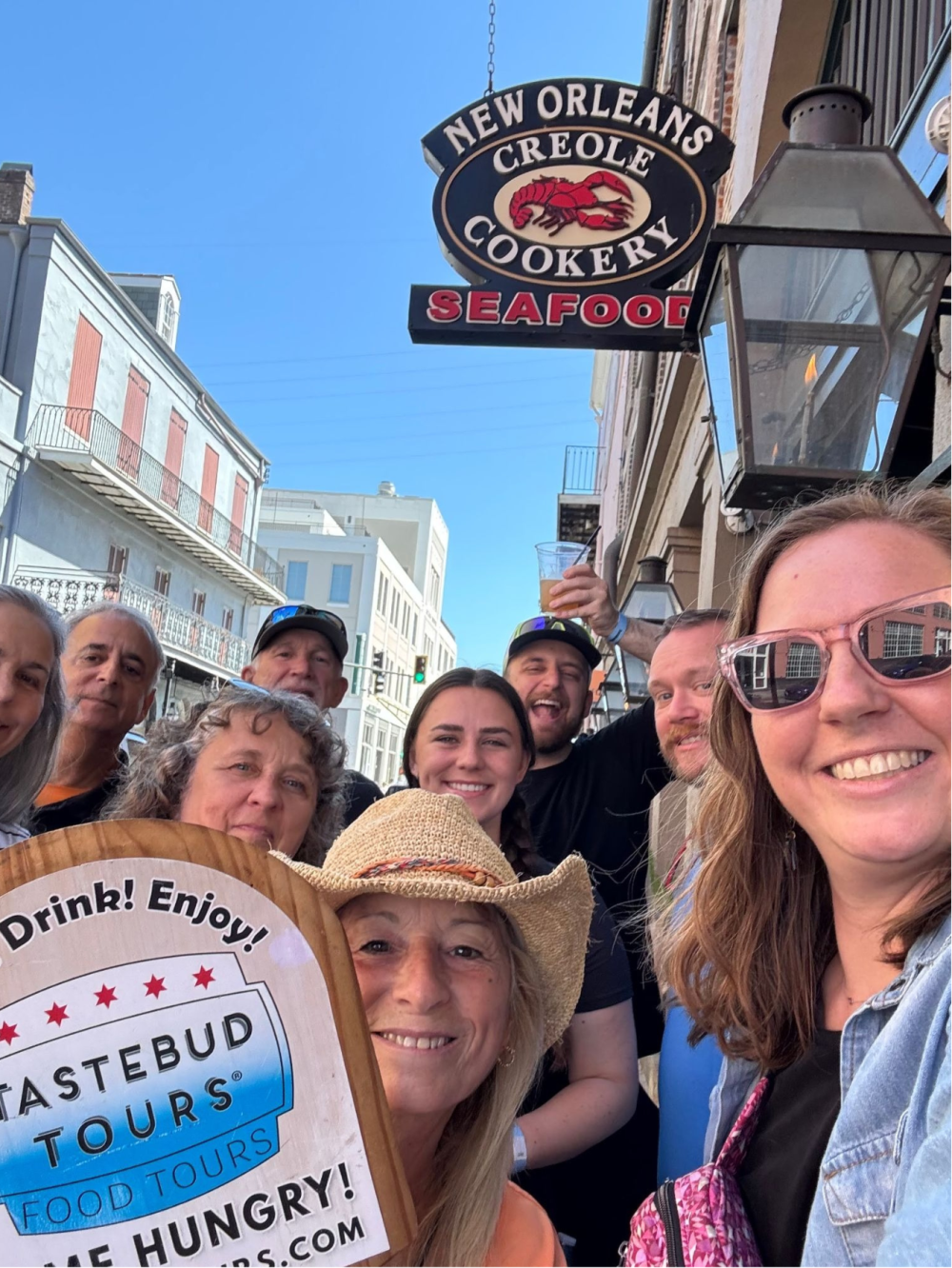
If this is your first visit, there is a good reason to put a guided food tour near the start of your trip. You get to taste several local dishes without spending your first day wondering where to eat. You also get some context that you will not get from reading a menu.
At Tastebud Tours, we run guided walking food tours in New Orleans, combining food with local history and stories. For a seafood-loving visitor, take a look at the Original New Orleans Seafood and History Food Tour. The three-hour experience currently includes stops with dishes such as shrimp po’boys, chargrilled oysters, seafood gumbo, shrimp remoulade, shrimp Creole, and blackened redfish.
One thing to be clear about before booking: Don’t book the tour expecting crawfish to be guaranteed. Seasonal dishes can change, and that is actually fine. The point of the tour is to get a wider taste of New Orleans. You can make your crawfish meal a separate plan for later that day or another evening.
Take a look at the New Orleans food tours from Tastebud Tours and see which one fits your schedule.
What About Crawfish in the French Quarter?
If you are staying in the French Quarter, it makes sense to start there. It is easy to walk between restaurants, bars, markets, and historic streets. You also have a huge number of food choices close together. But don’t assume the French Quarter has to contain every meal worth eating.
Some good crawfish spots are outside the neighborhood. If you are searching for the best crawfish in the New Orleans French Quarter, use the Quarter as your starting point rather than your boundary. A short ride can open up a very different side of the city’s food scene.
What If You Are Visiting Outside the Peak Months?
Don’t scrap your plans. January, February, June, and July can still work for a New Orleans food trip. The main difference is that you should be more careful about checking current crawfish availability. If the restaurant you picked is out, move on.
You can have seafood gumbo, try oysters, order a po’boy, or look for shrimp Creole. If crawfish étouffée is on the menu, give it a shot. You came for crawfish, but you do not have to let one ingredient decide whether the trip is good.
A Simple Way to Plan Your Food Days
There is no need to turn your vacation into a spreadsheet. Simply separate the guided experience from the crawfish meal. Take your food tour early in the trip. You will get a feel for the city and taste dishes you may not have thought to order. Then leave another meal open for crawfish.
That could mean a boil if you find one you like, or a local crawfish dish if that is what looks good that day. The plan stays flexible, and you avoid the classic travel mistake of packing every hour with reservations.
Come for the Crawfish, Explore Beyond the Boil
Crawfish might be the dish that gets you thinking about New Orleans, but don’t let it decide every meal. Check what’s available before you go, pick a restaurant you like, and keep the rest of your food plans loose. If the crawfish is good, settle in and enjoy it. If a restaurant is sold out, move on.
You have plenty of choices. A bowl of gumbo, a hot po’boy, chargrilled oysters, or a dish you have never tried before can easily become part of the trip. A guided food walk can help with that too, especially if you want to taste more than one side of New Orleans without figuring out every stop yourself.
Come hungry, keep your plans flexible, and let the city surprise you a little.
Frequently Asked Questions
When is crawfish season in New Orleans?
Crawfish are generally available from January through July, with March through May being the main peak period. Availability can vary based on harvest conditions.
Is April a good month for crawfish?
Yes, April falls in the heart of the peak season and is also a good month for walking around New Orleans.
Can you find crawfish in January?
You can, but early-season supply may be less steady. Check the restaurant’s menu before you make a special trip.
Can I find crawfish in the French Quarter?
Yes, but you are not limited to the French Quarter. Some crawfish restaurants are outside the neighborhood, so widening your search can give you more choices.
Should I take a food tour during crawfish season?
If it is your first visit, a guided food tour can be a good way to sample several New Orleans dishes in one outing. Tastebud Tours offers guided walking food tours, including a seafood-focused experience.