One Pot, Many Stories: Why the New Orleans Seafood Boil Is a Cultural Celebration
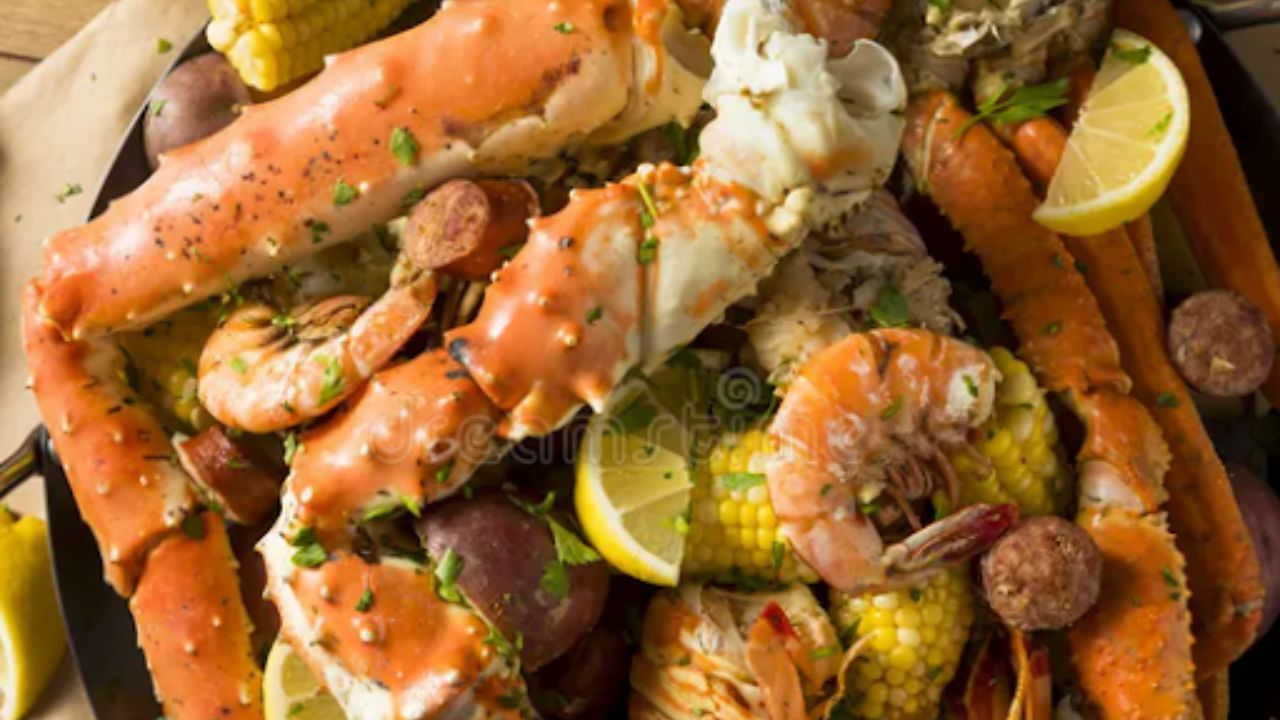
Seafood boil is a festive feast in New Orleans. It features a shellfish, shrimp and crab simmered in a big pot. Cajun seasonings along with corn, garlic, potatoes and sausage give it a zesty flavor. It’s the perfect food for gatherings and offers an authentic Louisiana experience. Seafood boil is the ultimate seafood that is cooked in the traditional, rustic style.
A guided food tour gives you the best seafood boil experience. Here, you don’t just eat the delicacy, you learn about it as well. Guides tell you why specific spices are used, why the meal is shared and how timing guides the preparation. This makes the food tasting experience an unforgettable one.
Why Seafood Boils Are Central to New Orleans
Seafood boils are central to New Orleans because they perfectly express the city’s Cajun/Creole culture. Here are all the reasons that makes seafood boils the ultimate NOLA dish.
Community Focus
Boils were always community events in the past. They allowed feeding of many with easily accessible ingredients. They acted like a backyard BBQ or potluck.
Fusion Cuisine
Seafood reflects Louisian’s diverse heritage. Their cooking methods are inspired by French, African and Caribbean customs.
Abundant Seafood
There’s an abundant bounty of crab, shrimp and crawfish in the Gulf of Mexico. It makes seafood a staple of NOLA’s culture.
Spicy & Flavorful
The boil is heavily seasoned. Cayenne, paprika and garlic are the most common spices used in it. It gives the boil a distinctly Louisiana flavor.
1. Crawfish: The Crown Jewel
Crawfish are iconic in New Orleans boils. They bring a delicate, earthy flavor that spices up any gathering. To get the perfect crawfish experience:
- Ensure crawfish are fresh and thoroughly purged
- Spice gradually to enhance flavor without overpowering
- Add potatoes and corn to soak up the seasonings
Peeling crawfish is a ritual. Take your time. Let each bite linger.
2. Shrimp Boil: Bright and Juicy
Shrimp cooks quickly, retaining tender sweetness. They balance spice with natural flavor, making them perfect for any boil. Below are some expert tips to make a great shrimp boil:
- Apply seasoning not only before but also after cooking
- Boil briefly to preserve natural sweetness
- Optional: smoked paprika or cayenne for heat
Pair shrimp with corn and sausage for a balanced plate. Shrimp should pop with flavor, not hide in sauce.
3. Crab Boil: Sweet and Rewarding
Crab brings a rich, sweet flavor and a hands-on experience. It’s slower to eat but worth the effort.
Here’s what makes up a memorable crab boil:
- Fresh local crab
- Generous coating of butter and garlic
- Lemon or cayenne to brighten flavor
The process of cracking, pulling, and savoring is part of the enjoyment. Rushing diminishes the experience.
On the Briquette Craft Cocktail Class and Luncheon with Tastebud Tours, crab is treated with care, not rushed. Creole plates feature lump crab meat, like trout almandine topped with sweet crab and green beans. A classic Sazerac sets the pace. The experience encourages you to slow down, taste each layer, and enjoy the process, just like a proper crab boil should.
4. Andouille Sausage: Spice and Smoke
Sausage isn’t filler. It complements seafood with spice, fat, and smokiness. Here’s how to make a perfect sausage addition:
- Use smoked Andouille for depth
- Slice thick to retain juices
- Add late to absorb seafood stock
Sausage rounds out the boil, giving it body and balance.
5. Corn and Potatoes: Essential Staples
Corn and potatoes soak up the boil’s spices and juices. Often, they are the first bites while waiting for seafood. Follow these tips to make the perfect sides:
- Baby red potatoes for creamy texture
- Sweet corn cut into manageable pieces
- Cook long enough to absorb flavor, not mush
These tips may seem simple. But they are essential for every boil.
6. Garlic Butter: Flavor Glue
Garlic butter elevates every bite. It adds richness, depth, and a perfect dipping sauce for seafood. Here are some tips for the best garlic butter:
- Melt butter with fresh garlic and herbs
- Add lemon juice for brightness
- Serve warm alongside corn and crawfish
This simple addition unites all elements of the boil.
7. Cajun Spice: The Heartbeat of a Boil
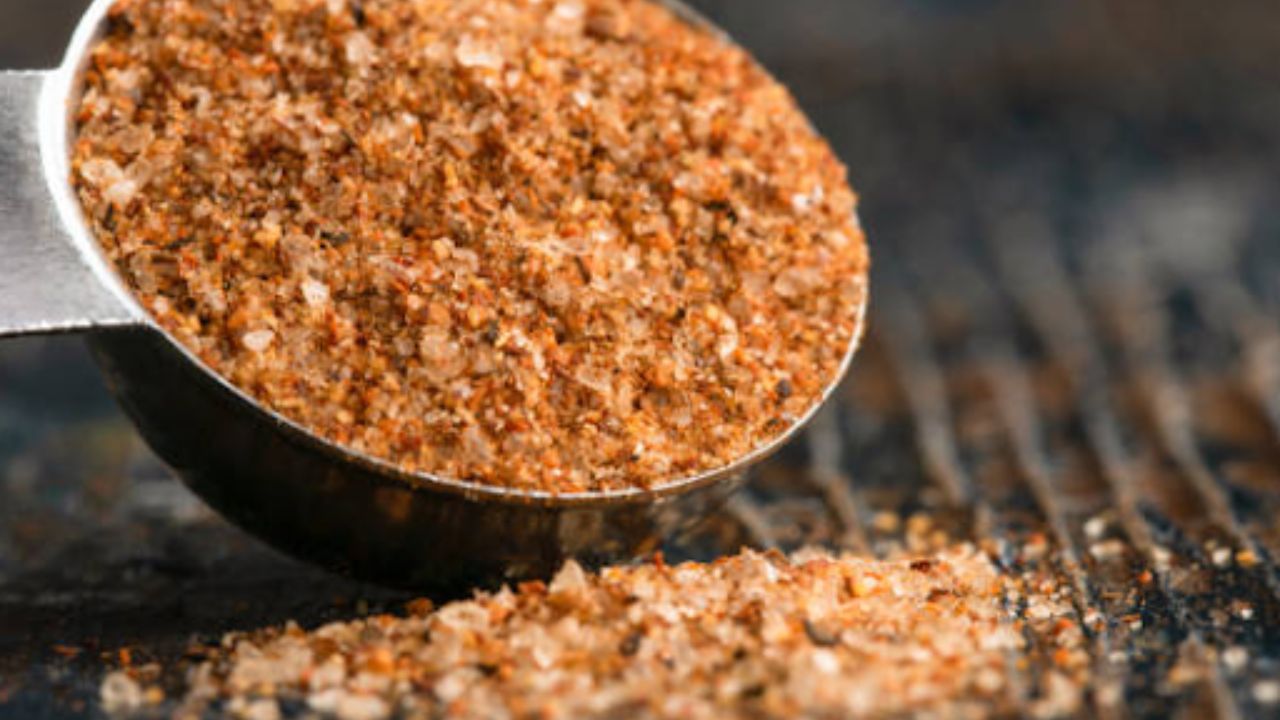
Cajun spice is what separates New Orleans boils from anywhere else. Balance is key. Heat should excite, not overwhelm. Look for:
- Paprika for color and depth
- Cayenne for gradual heat
- Oregano, thyme, and bay leaves for aroma
The right mix enhances flavor, never hides it.
The New Orleans Tastebud Table Experience keeps Cajun flavor grounded in tradition. In a private, air-conditioned space, a licensed Tastebud instructor explains how spice builds slowly and why balance matters. Dishes like gumbo and jambalaya show how roux, herbs, and heat work together. Stories add meaning, recipes extend the learning, and classic plates let the flavors speak without distraction.
8. Sauces: Subtle Heroes
Sauces complement seafood without stealing the spotlight. Some local favorites include:
- Remoulade with mustard, herbs, and garlic
- Spicy aioli for dipping
- Lemon butter for drizzling
They accentuate, not overpower. Taste first, pour second.
9. Bread and Biscuits: Starchy Finish
Boils often include cornbread or biscuits. They soak up juices and provide a comforting contrast to spicy seafood. Here’s what to consider:
- Cornbread add a sweet, moist, and soft touch
- Buttery biscuits are warm, and perfect for dipping
- Serve fresh, lightly buttered
These sides round out the meal, providing balance to bold flavors.
Timing and Technique: The Secret to Success
Even the best seafood can fall flat without proper technique. Use these tips for timing:
- Order ingredients by cooking time: potatoes first, shrimp last
- Use large pots for even cooking
- Avoid overcrowding the pot to ensure proper flavor absorption
Attention to technique makes a boil truly memorable.
Why Guided Tours Enhance the Experience
A Tastebud Tours French Quarter food tour transforms the experience. Visitors not only eat, but they also learn why each spice, ingredient, and timing matters. The tours provide:
- Insight into when seafood tastes best
- History behind traditional boils
- Neighborhood-specific cooking styles
- Context that turns a meal into an event
Final Words
New Orleans seafood boils are about more than food. They are culture on a plate. Each spice, ingredient, and technique tells a story. By slowing down, appreciating local knowledge, and trying tried-and-true flavors, it’s possible to experience the city authentically. How many other cities let food speak history so vividly, one boil at a time?
FAQs
1. What is the best time of year for seafood in New Orleans?
Beginning from fall and throughout spring is the best time for seafood in New Orleans. The best oysters are available from October through April. Late spring is the perfect season for crabs and shrimps.
2. Is seafood boil Cajun or Creole?
A seafood boil is more closely linked to Cajun culture. This is especially true of the popular spicy shrimp and crawfish version. The dish is also slightly influenced by French and Spanish cooking.
3. What seafood is New Orleans famous for?
NOLA is famous for its Gulf seafood. It’s famous for its shrimp, oysters and crawfish. All of these are used in its signature dishes like Po’boys and BBQ Shrimp.
4. Why does New Orleans have so much seafood?
Seafood is an essential part of New Orleans cuisine. The city is situated where the Mississippi River flows into the Gulf of Mexico. It gives it access to a diverse variety of freshwater and saltwater shellfish and fish.