6 Smart Travel Planning Tips for an Easy New Orleans Food Trip
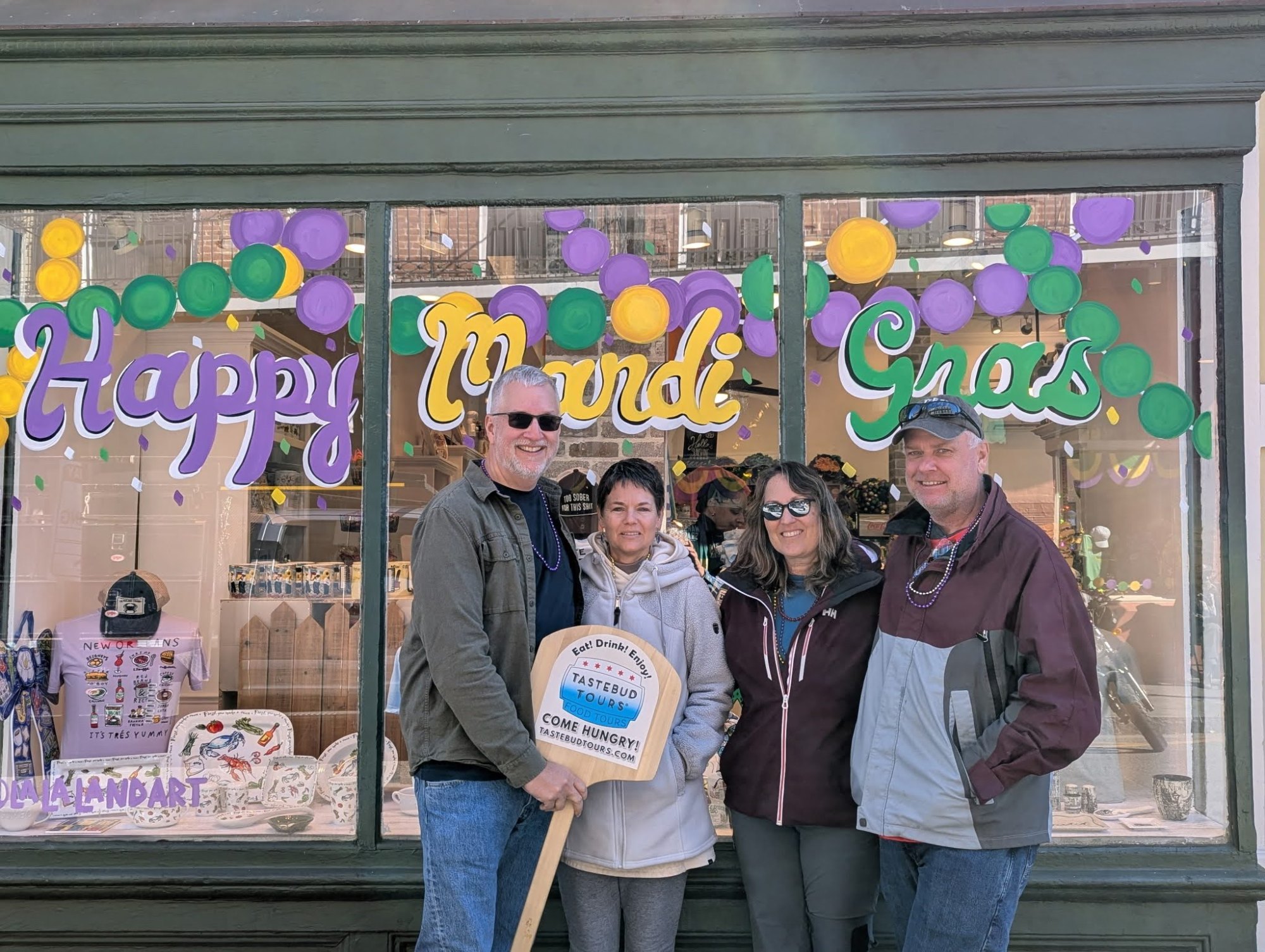
Booking a guided walking food tour early in the trip is one of the easiest ways to experience authentic New Orleans food without wasting time on overrated restaurants or endless online research.
New Orleans feels simple to plan until the city pulls people in every direction. One local swears by a tiny gumbo spot near the French Market. Another insists the best po’boy comes from a place tourists seldom notice. Before long, visitors spend more time searching for food than actually enjoying it.
That is why many travelers now start with guided walking food tours in New Orleans. A local guide helps visitors skip the guesswork, taste authentic Louisiana dishes, and experience the city beyond the usual tourist lists.
Because here, food is not just part of the trip. It is the city’s story.
Why Travel Planning Feels Harder in New Orleans
Some cities reward strict schedules. New Orleans does not.
People arrive with plans packed from morning to midnight:
- Café du Monde at sunrise
- Bourbon Street at lunch
- Jazz clubs at night
- Famous restaurants in between
By day two, many visitors feel exhausted. The heat kicks harder than expected. Restaurant waits stretch longer than planned. Streets pull people in random directions because music spills from nearly every corner.
Somewhere between the second po’boy and third dessert stop, travelers realize this city works best when they stop trying to control every minute. That is why smart travel planning tips matter so much here.
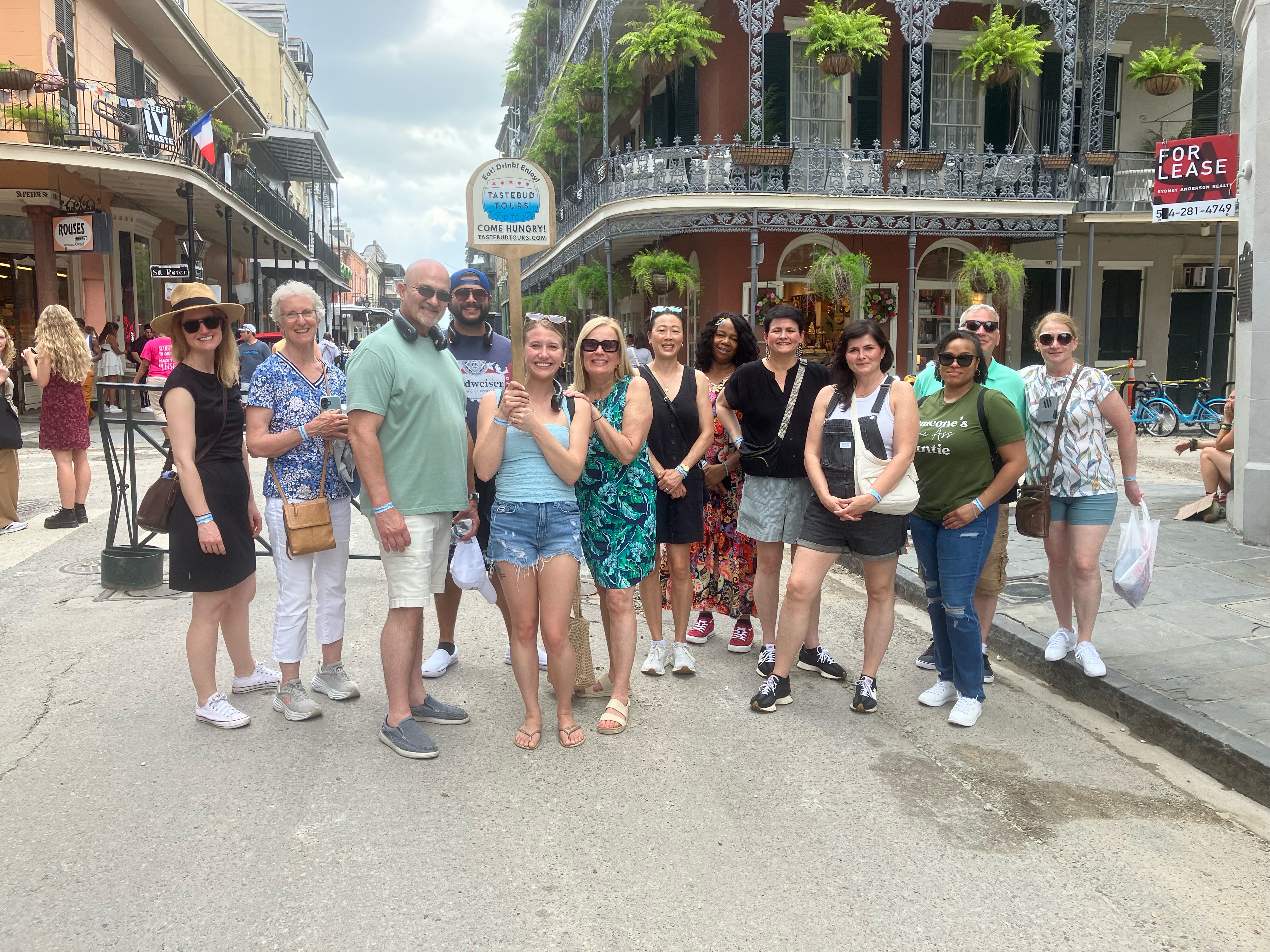
A guided experience through Tastebud Tours helps visitors settle into that rhythm quickly. Instead of spending the first half of the vacation confused about where to eat, travelers begin tasting authentic local dishes immediately. They also learn how food, music, and neighborhood history all connect together.
The city starts making sense faster.
6 Tips to Make Your Food Exploration in New Orleans Easy
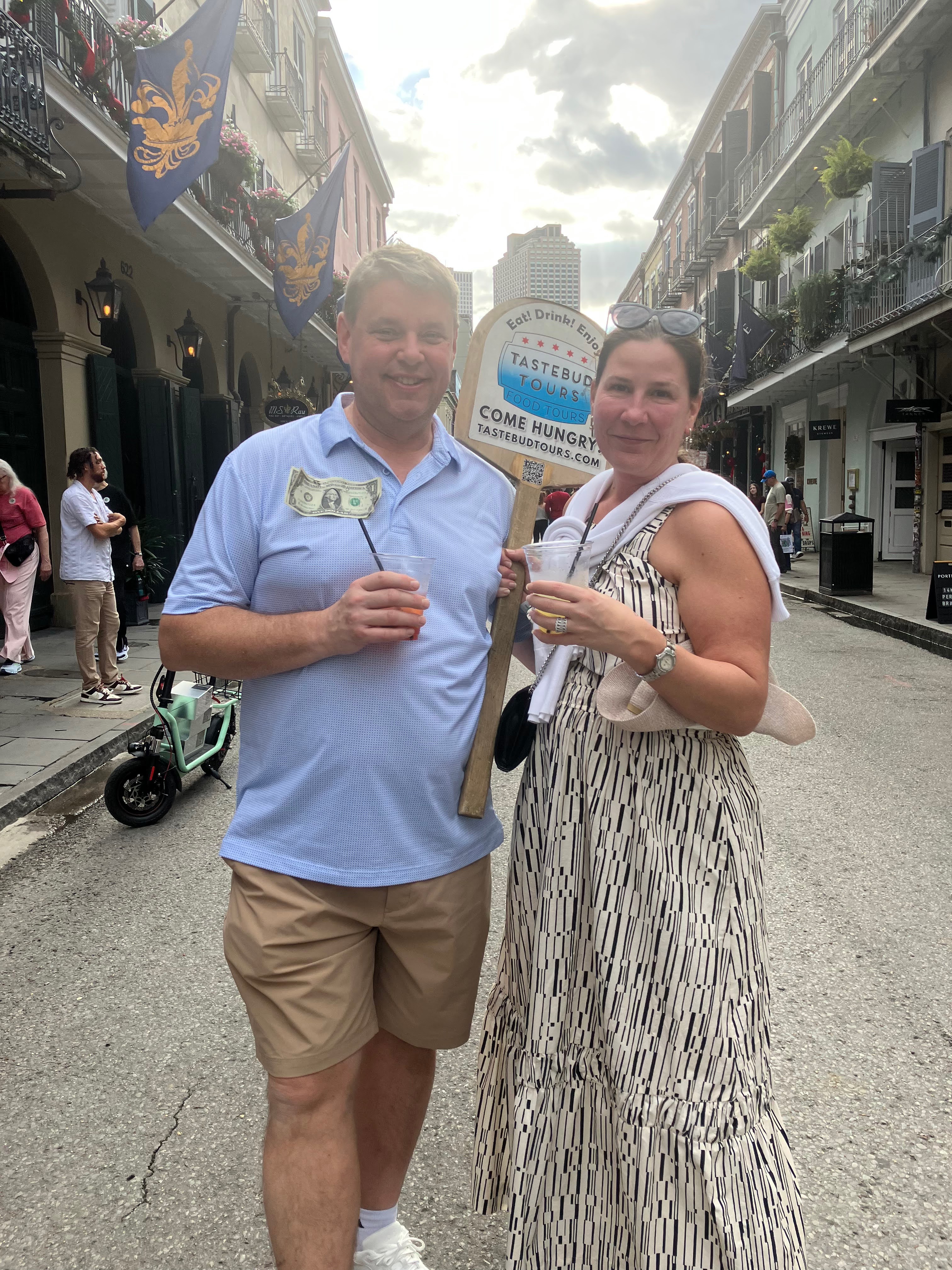
1. Start Your Trip With New Orleans Food Tours
Many visitors wait until the last day to book food tours. That sounds logical at first. But it usually works better earlier in the trip.
Why?
Because local guides quietly solve problems travelers do not even realize they have yet.
A good tour helps visitors understand:
- Which neighborhoods matter most
- Which restaurants locals revisit
- Which foods are truly iconic
- Which tourist spots are overrated
- How local food traditions developed
That local knowledge changes everything afterwards.
Instead of constantly checking restaurant reviews online, travelers begin spotting authentic places naturally. Confidence replaces confusion pretty quickly once someone explains how the city actually works.
Unlike giant bus tours, walking food tours feel personal. Guests move at street level, where the real energy of New Orleans lives.
2. Learn the Difference Between Creole and Cajun Food
Visitors mix these two styles up constantly. Locals usually notice right away.
Both Creole and Cajun cooking shape Louisiana food culture, but they come from very different traditions. Understanding the difference helps travelers appreciate local dishes on a much deeper level.
Creole Food
- Developed in New Orleans
- Influenced by French, Spanish, African, and Caribbean cultures
- Rich, layered, and city-inspired flavors
- Famous dishes include gumbo and shrimp étouffée
Cajun Food
- Grew from Louisiana’s rural communities
- Smokier, heartier, and more rustic
- Built around bold seasoning and comfort food
- Popular dishes include jambalaya and boudin
A guided walking food tour from Tastebud Tours helps visitors experience these differences naturally while tasting authentic local dishes. Suddenly, gumbo stops feeling like “just another soup,” and starts telling the story of the people and traditions behind it.
Must-Try Foods During a New Orleans Food Trip
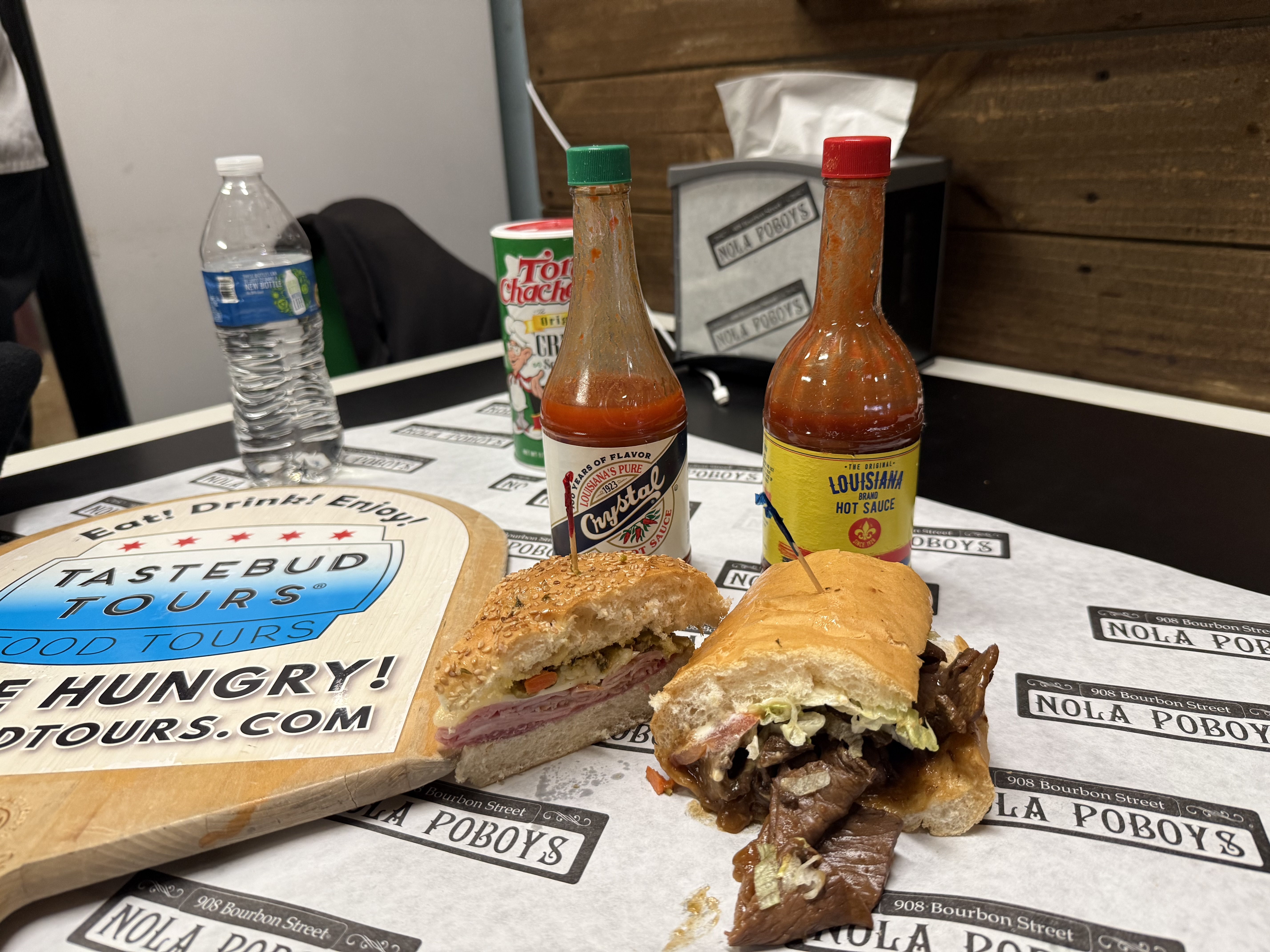
Food lovers visiting New Orleans should experience these local favorites at least once.
Gumbo
Rich, flavorful, and impossible to define with one recipe. Some versions lean heavily on seafood. Others use sausage or chicken. Every kitchen claims its own style works best.
Beignets
Soft fried pastries buried under powdered sugar. Tourists leave Café du Monde wearing half the sugar home on their clothes.
Po’boys
Classic Louisiana sandwiches loaded with fried shrimp, oysters, or roast beef. Messy in the best possible way.
Jambalaya
A deeply seasoned rice dish packed with meat, spices, and comfort.
Crawfish Étouffée
Warm, buttery, and rich enough to make visitors slow down after the first bite.
Pralines
Sweet pecan candy that somehow disappears faster than expected every single time.
Many travelers first try these dishes through authentic New Orleans food tours because local guides explain not just what to eat, but why those foods matter to the city itself.
3. Explore Neighborhoods Instead of Racing Across the City
One mistake many first-time visitors make is trying to “cover” New Orleans as quickly as possible.
That usually backfires.
The French Quarter alone can fill an entire day without feeling repetitive. Between the music, restaurants, courtyards, cocktail bars, candy shops, and street performers, the neighborhood keeps unfolding block by block.
Frenchmen Street brings a completely different mood. The Garden District feels quieter and slower. The Warehouse District mixes food, art, and nightlife differently again.
The food changes between neighborhoods too.
Smart travel planning tips focus less on checking landmarks off a list and more on experiencing areas properly. Besides, some of the best memories happen accidentally here.
A traveler might step inside a tiny seafood place simply because the smell drifting onto the sidewalk feels impossible to ignore. Another might stay an extra hour somewhere because a brass band suddenly starts playing nearby.
New Orleans rewards flexibility.
4. Leave Space for Spontaneous Food Stops
This city constantly tempts people away from their plans, and honestly, that is part of the fun. Rigid schedules work against New Orleans food culture because the city keeps offering unexpected moments:
- Fresh oysters at a crowded local bar
- A hidden praline shop near Jackson Square
- Late-night beignets after live jazz
- Small neighborhood cafés locals quietly recommend
Overplanning usually creates stress.
A better daily structure often looks like this:
- One planned activity in the morning
- Flexible lunch timing
- Open evenings
- Plenty of walking time
- Room for local recommendations
The city feels far more enjoyable that way.
5. Prepare for the Weather and the Walking
New Orleans weather surprises people constantly. The humidity arrives fast. Summer heat feels heavier than expected. Afternoon rain appears out of nowhere. So, comfort matters more than style here.
Helpful items include:
- Comfortable walking shoes
- Light clothing
- Small umbrella
- Water bottle
- Portable charger
Stretchy pants become an excellent decision after multiple food stops. Because portions in New Orleans rarely stay small.
6. Let Local Guides Handle the Hard Part
Planning a food-focused vacation sounds exciting until the research begins.
Which restaurants are authentic?
Which places mainly target tourists?
What foods should visitors prioritize?
Is a food tour really worth the money?
For most food lovers, yes.
A guided walking experience through Tastebud Tours removes the stress immediately. Visitors enjoy carefully selected tastings, local storytelling, neighborhood history, and authentic Louisiana flavors without spending the entire trip second-guessing every restaurant decision.
Instead of worrying about missing the “best” food spots, travelers can actually relax and enjoy the city.
Final Thoughts
The smartest travel planning tips are not really about building perfect schedules. They are about leaving enough room for New Orleans to surprise people a little.
Sometimes the best memory comes from following the smell of gumbo through a side street while a local guide quietly says, “This is the place tourists usually miss.”