What is Culinary Tourism? Why New Orleans Food Tours Stand Out
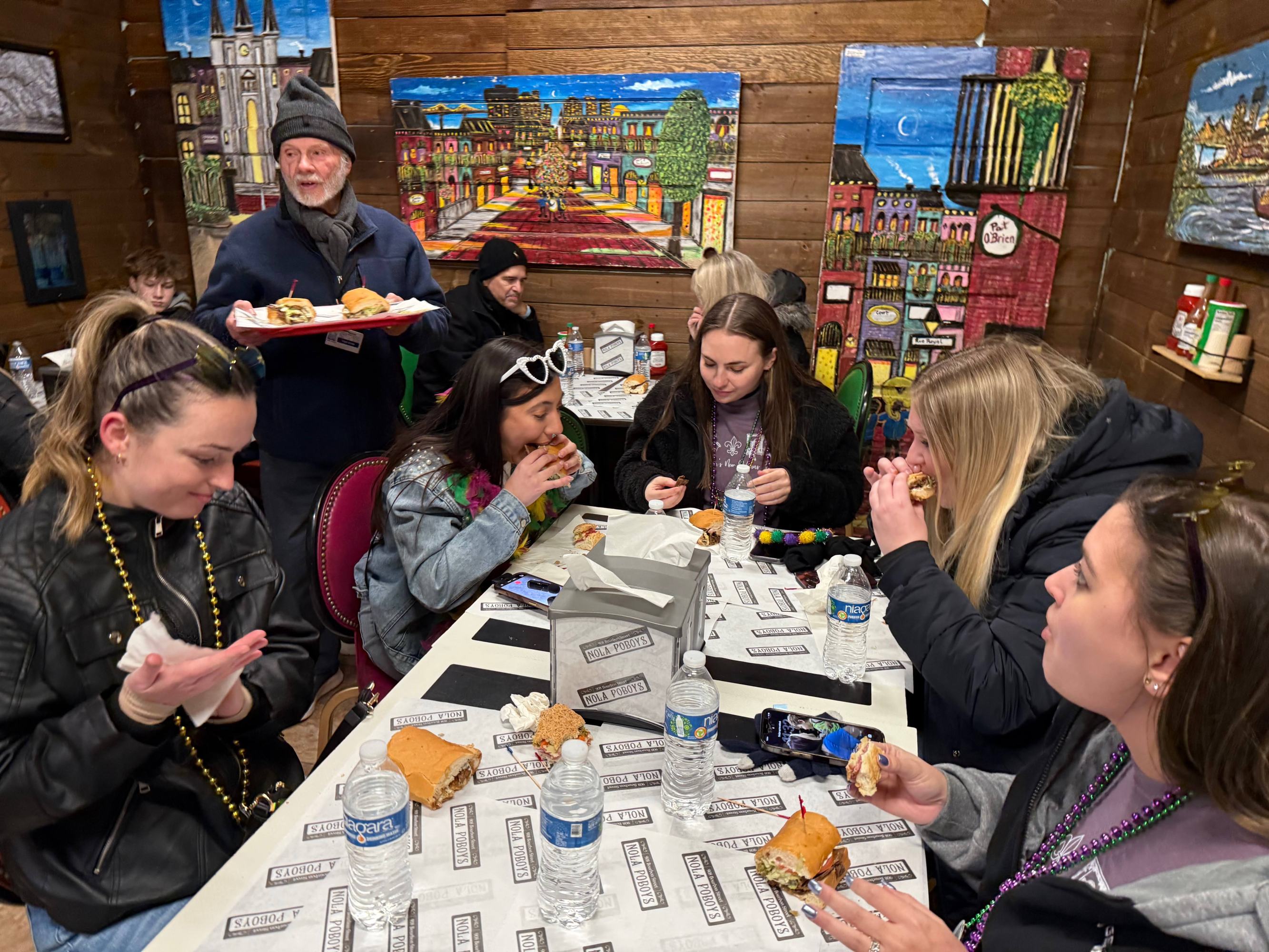
Culinary tourism means traveling to experience a city through its food, local culture, and neighborhood stories. Few American cities make that experience feel more immersive than New Orleans.
One minute, someone is hearing jazz drift through the French Quarter. The next minute, they are biting into hot seafood gumbo while a local guide explains why every Louisiana family argues about the “right” recipe.
That is why so many visitors now book a walking experience through Tastebud Tours early in their trip instead of waiting until the last day.
Because New Orleans food is not something people simply eat. It is something they remember.
What is Culinary Tourism?
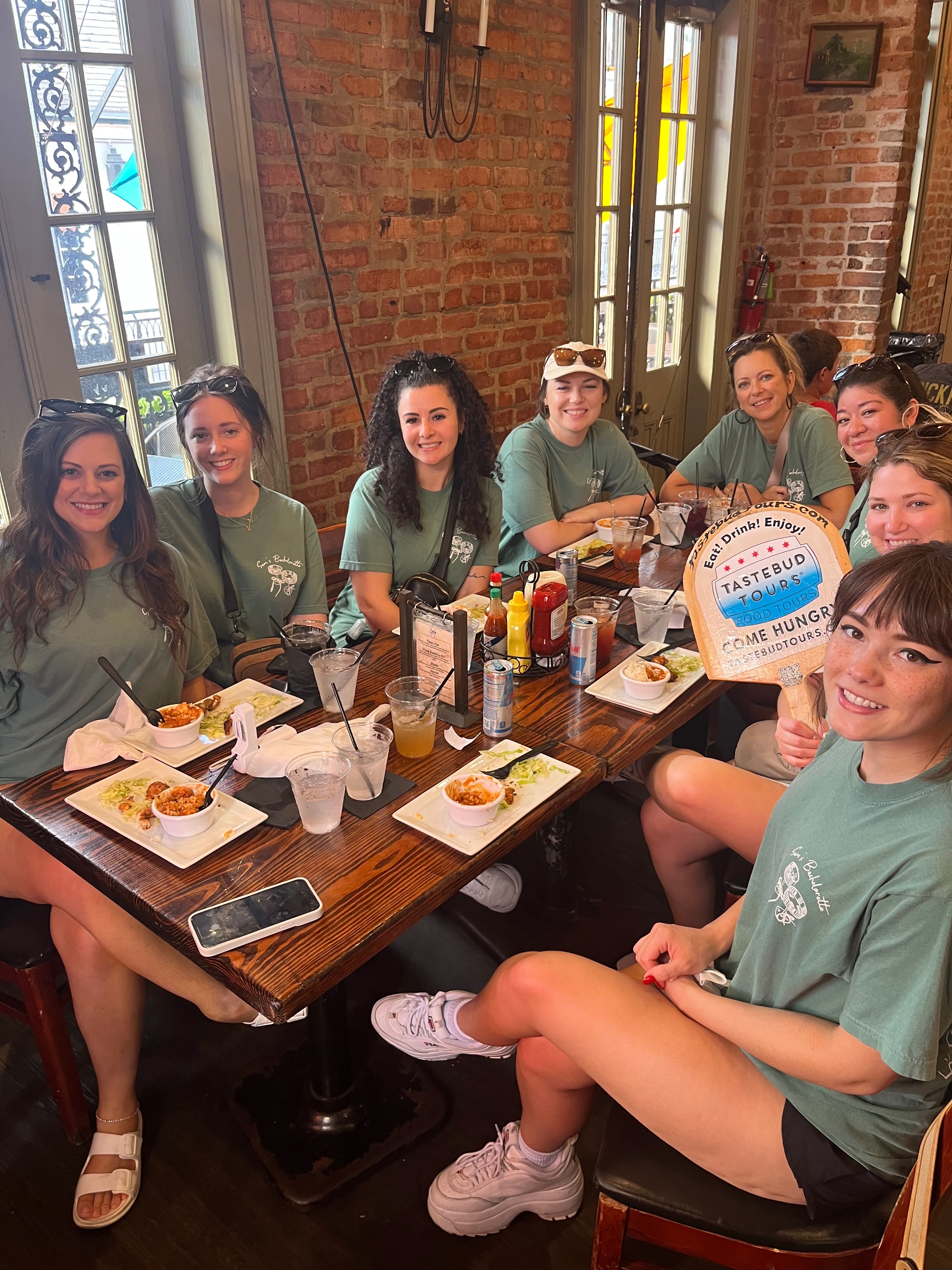
Culinary tourism is travel built around food experiences. People visit destinations to taste local dishes, learn food traditions, and explore neighborhoods through meals instead of standard sightseeing.
Good food tourism feels personal.
Visitors are not just looking for restaurants; they want stories behind the dishes. They want to know why locals love certain cafés, why oyster bars stay packed, or why a muffuletta sandwich became part of New Orleans history in the first place.
That is where New Orleans stands apart from many culinary tourism destinations. The city’s food culture feels alive everywhere.
Street corners smell like butter, garlic, seafood, and Cajun spice. Tiny restaurants stay crowded for decades because locals keep returning. Servers talk about gumbo recipes the way sports fans debate football teams.
Food here carries personality.
Why New Orleans Became One of America’s Top Culinary Tourism Destinations
Some cities are known for upscale restaurants. New Orleans became famous because even its everyday food leaves a lasting impression.
Visitors notice that quickly.
Fresh beignets arrive buried under powdered sugar. Po’boys drip with fried shrimp and sauce. Bread pudding comes warm with ice cream or whipped cream. Even coffee tastes different because chicory became part of the local tradition generations ago.
The city also blends cultures in a way few American destinations can match.
New Orleans food reflects:
- Creole influence
- Cajun traditions
- French cooking
- Spanish flavors
- African heritage
- Sicilian immigration
- Gulf Coast seafood culture
Why Guided Food Tours Work Better Than Random Restaurant Hunting
Many travelers think they can simply “find good food” by wandering around New Orleans.
Sometimes that works. Sometimes it leads to overpriced tourist meals a few blocks from much better local spots. That is why guided food tours matter.
A strong food tour saves visitors from spending half the trip scrolling reviews while standing hungry on Bourbon Street.
Instead, local guides help travelers:
| What Visitors Gain | Why It Helps |
| Authentic restaurant stops | Less chance of tourist-trap meals |
| Local food history | Meals feel more memorable |
| Neighborhood insight | Visitors understand the city better |
| Time saved | No endless searching for restaurants |
| Hidden local favorites | Guests discover places they may miss alone |
Good guides also make the city feel less intimidating. First-time visitors in New Orleans can feel overwhelmed by the crowds, noise, and endless restaurant choices. A relaxed walking food tour gives structure without making the trip feel rigid.
Why Tastebud Tours Feels Different
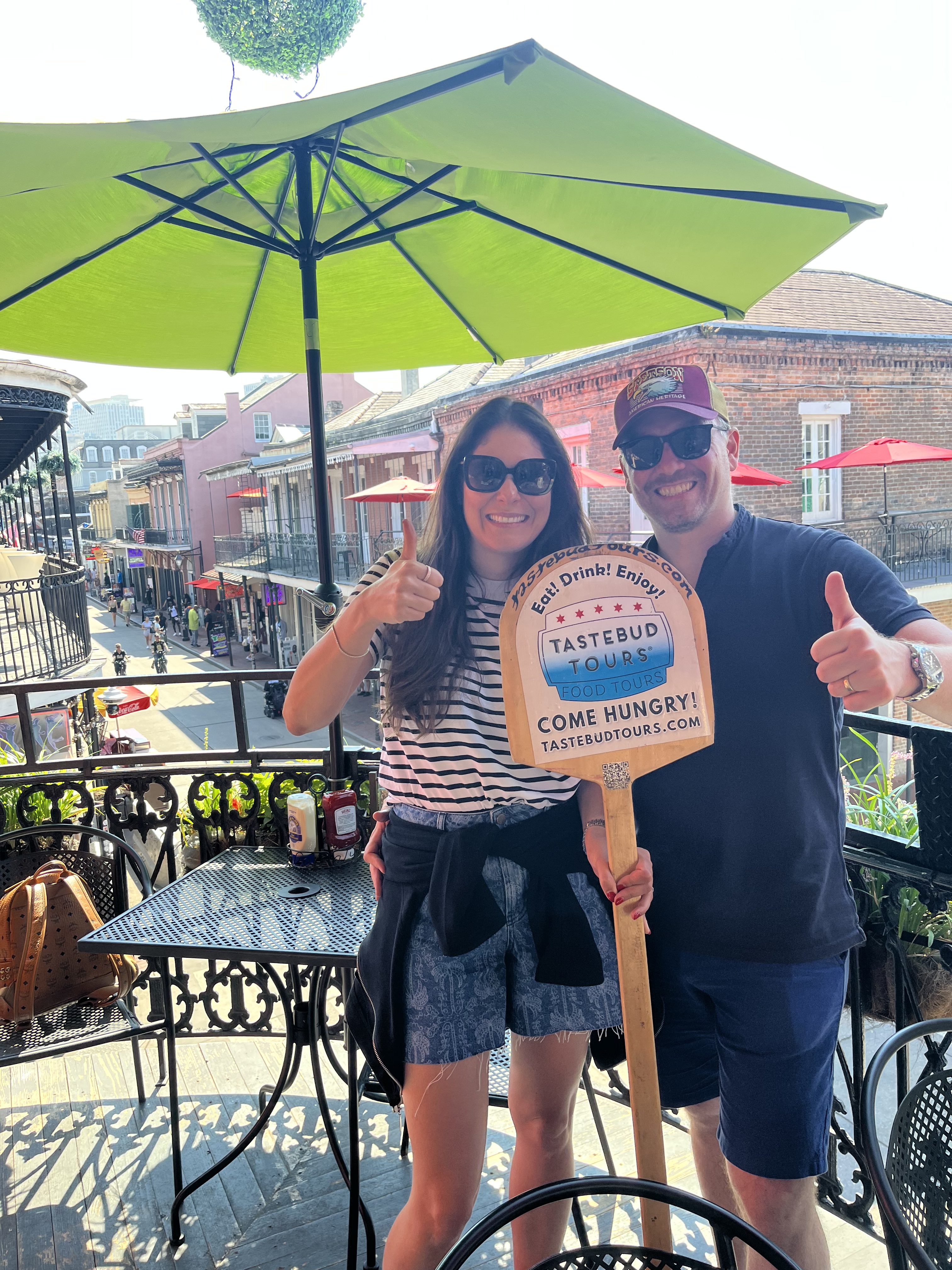
Not every New Orleans food tour feels authentic. Some rush visitors through quick samples and scripted stops that barely scratch the surface of the city.
Tastebud Tours feels more personal.
We have been guiding food lovers through New Orleans since 2010, combining local food, history, architecture, and neighborhood stories into one relaxed experience. As a veteran and family-owned company, we focus on helping visitors experience the city as locals do.
The guides make the biggest difference. They point out details most people miss. The smell drifting from a hidden kitchen. A tiny po’boy shop locals quietly love. The story behind a restaurant that visitors almost walked past.
Travelers today want more than a checklist of restaurants. They want authentic conversations, local insight, and food experiences that actually feel connected to New Orleans.
Best Tastebud Tours for Different Travel Styles
Different tours fit different visitors.
Here is a quick breakdown of popular options from Tastebud Tours.
| Tour Type | Best For |
| Signature Tastes of New Orleans | First-time visitors |
| French Quarter Food Tour | Travelers wanting history + food |
| Seafood & History Tour | Seafood lovers |
| Cocktail Tour | Couples and nightlife travelers |
| Culinary Lunch Experience | Summer visitors wanting indoor comfort |
That flexibility helps travelers choose experiences matching their pace and interests.
What Foods Visitors in New Orleans Usually Want to Try First
Most travelers arrive in New Orleans with the same food wish list already forming in their heads.
Usually it includes:
- Gumbo
- Jambalaya
- Beignets
- Po’boys
- Muffulettas
- Fresh oysters
- Crawfish dishes
- Bread pudding
- Pralines
Many of these dishes appear throughout Tastebud Tours experiences.
The muffuletta especially stands out for many visitors. People expect a sandwich. Then the olive salad hits, the bread crunches slightly, and suddenly lunch turns into a full conversation about Sicilian immigration and old New Orleans grocery culture.
That is the difference between simply eating and actually experiencing culinary tourism.
Are Walking Food Tours Good for Beginners?
Yes, most visitors handle them easily.
People often worry about:
- Too much walking
- Louisiana heat
- Feeling awkward in groups
- Tours moving too fast
- Not knowing enough about local food
In reality, most New Orleans food tours move slowly because the experience revolves around eating, storytelling, and relaxing between stops.
Guests spend plenty of time indoors. Conversations stay casual. Nobody expects visitors to know food history beforehand.
Comfortable shoes help though. French Quarter streets look charming, but those old bricks can feel uneven after a few hours.
What Makes the French Quarter So Perfect for Culinary Tourism?
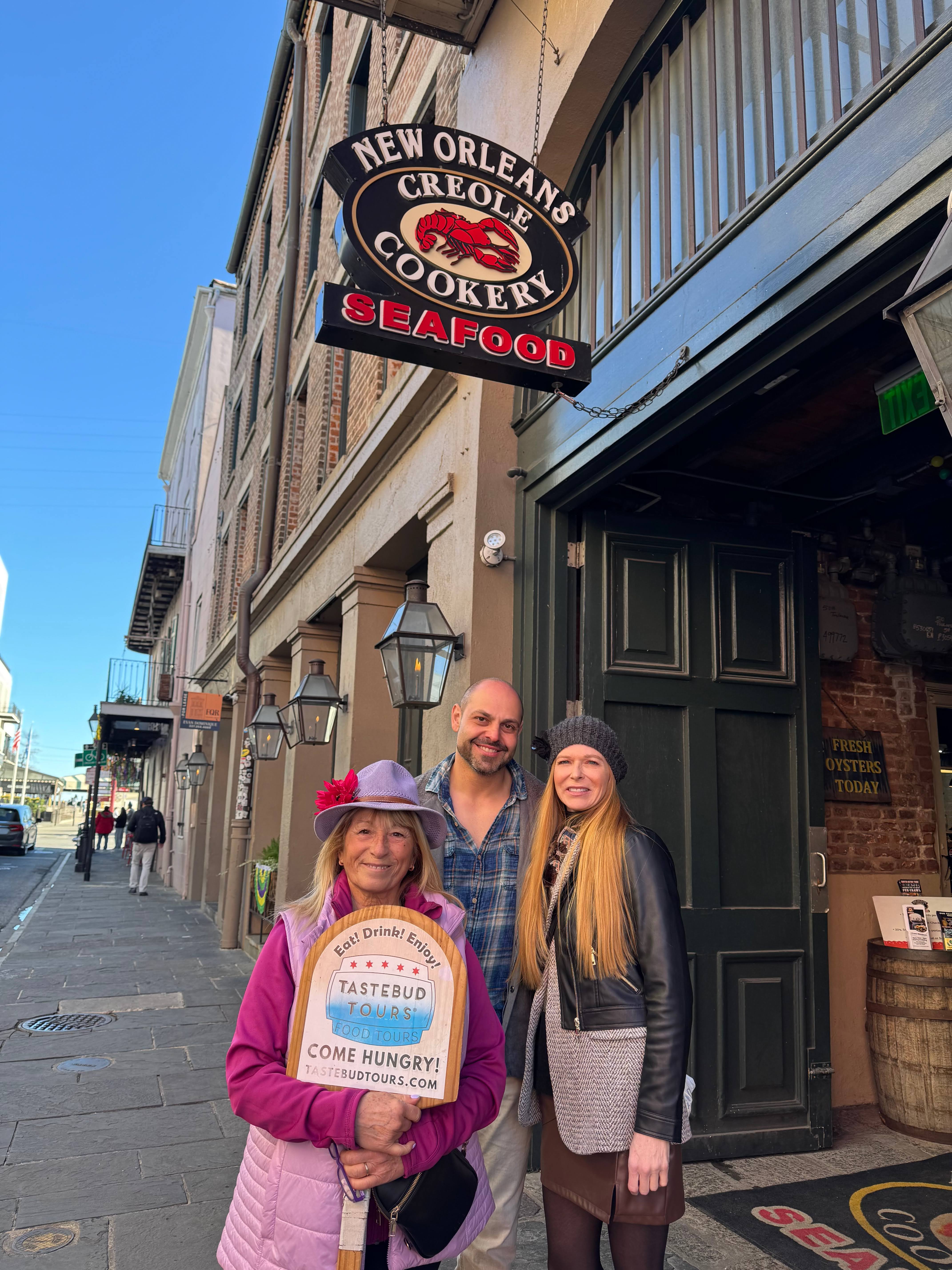
The French Quarter changes how food feels. That sounds dramatic until someone experiences it firsthand.
A plate of seafood pasta inside a random shopping mall would taste fine. But eating it while horse carriages roll past old iron balconies feels completely different. The neighborhood itself becomes part of the meal.
Visitors notice small details constantly:
- Jazz echoing from side streets
- Hot sugar drifting outside cafés
- Bartenders shaking cocktails behind open windows
- Tiny courtyards hidden behind old gates
- Oyster shells stacked near busy kitchens
The city never feels disconnected from the food. That is why New Orleans consistently ranks among America’s strongest culinary tourism destinations. The atmosphere supports the flavors naturally.
Common Mistakes First-Time Visitors Make
New Orleans rewards curious travelers. Still, many visitors accidentally miss the best experiences because they stay too close to tourist-heavy areas.
Some common mistakes include:
- Eating only near Bourbon Street
- Choosing chain restaurants
- Overplanning every meal
- Skipping local recommendations
- Trying to rush through too many places
- Assuming famous always means best
Sometimes the best gumbo comes from a smaller restaurant that visitors almost walked past. That is another reason guided tours help. Locals know which places genuinely matter.
Is a Guided New Orleans Food Tour Worth It?
For food lovers, usually yes. Especially during shorter trips.
A guided experience combines:
- Local storytelling
- Multiple tastings
- Historic context
- Restaurant recommendations
- Walkable sightseeing
- Authentic neighborhood culture
Trying to recreate that independently often takes far more time and energy. Most travelers leave New Orleans remembering meals more vividly than museums or itineraries. Not because the city lacks history, but because history here often arrives on a plate first.
A spoonful of gumbo. A hot beignet at midnight. A guide laughing while explaining why locals take po’boys so seriously.
That is the part visitors keep talking about long after the trip ends.