7 Amazing Reasons New Orleans Defines American Regional Cuisine
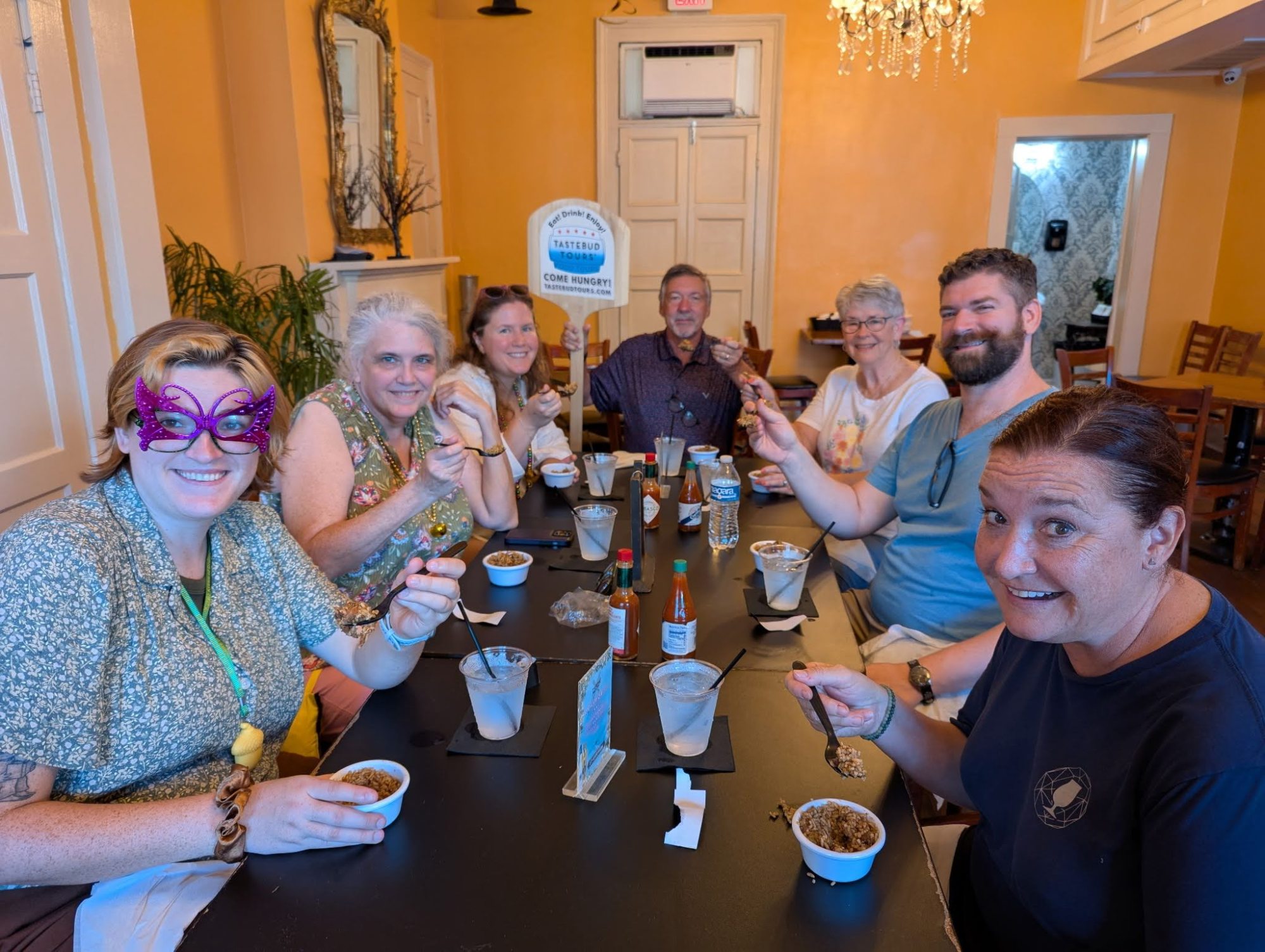
New Orleans defines American regional cuisine because it is one of the few places in the United States where food still carries history in every bite. Gumbo simmers with African roots. Po’boys reflect working-class street culture. Beignets carry a French influence that never faded.
For visitors trying to understand American food culture, reading about it is not enough. The real understanding comes when the streets, smells, and stories connect in real time.
That is exactly why many travelers choose a guided experience through Tastebud Tours or explore curated routes at New Orleans Food Tours before deciding where to eat on their own.
The difference is simple. One approach is just about eating. The other helps you understand what the food represents with every bite.
Why New Orleans is the Heart of American Regional Cuisine
New Orleans is not just a food city. It is a cultural mixing pot that never stopped stirring. That combination did not stay locked in history. It evolved into what we now call American regional cuisine. New Orleans is one of its strongest living examples.
Walk through the French Quarter, and the change is immediate. One street smells like butter and sugar. Another carries smoked seafood and spice. Nothing feels designed for tourists first. It feels lived in.
That is why food here does not behave like “restaurant food.” It behaves like an identity.
7 Real Reasons New Orleans Defines American Regional Cuisine
1. Every Dish Carries a Cultural Origin Story
In many cities, food is just menu planning. In New Orleans, every dish has ancestry.
Gumbo reflects African cooking traditions. Jambalaya carries Spanish influence. Beignets reflect French baking culture. These are not guesses. They are layered histories served hot.
That is why American regional cuisine feels most complete here. It is not simplified. It is preserved through taste.
2. Recipes Live Through Memory, Not Manuals
Many New Orleans families still pass recipes by watching, not measuring. A pinch becomes a memory. A simmer becomes instinct.
This creates variation across the city. Two gumbo bowls can taste completely different just a few blocks apart.
That unpredictability is part of American food culture here. It feels personal instead of industrial.
3. Street Food Here is Not “Fast Food”
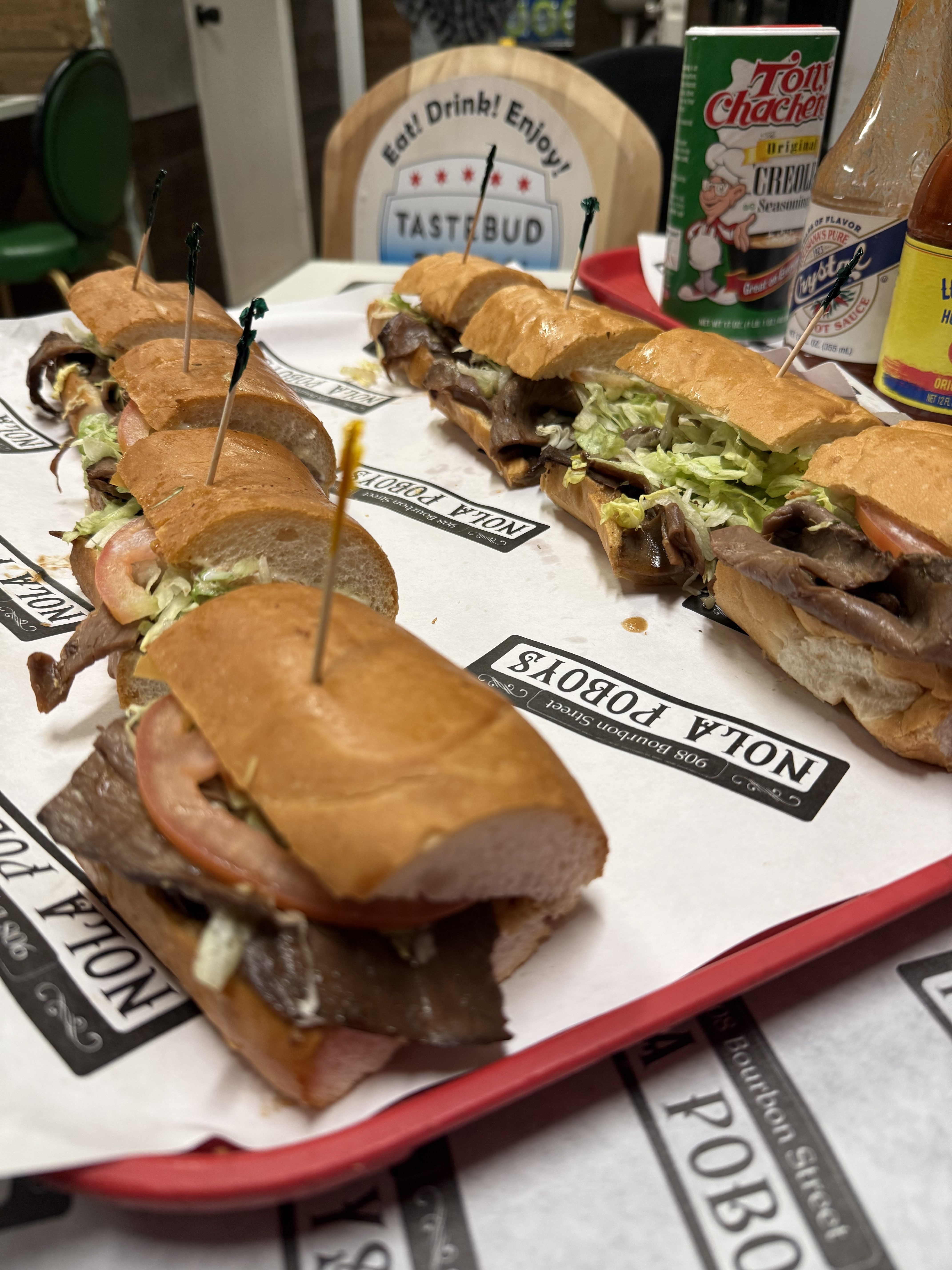
A po’boy from a corner shop is not a rushed culture. It is a tradition in a sandwich.
Crawfish boils are not casual meals. They are social events that stretch for hours. Beignets are not snacks. They are part of café rituals that slow time down.
This is where visitors start to understand how American regional cuisine is built from everyday life, not fine dining alone.
4. Seasonal Seafood Shapes Everything
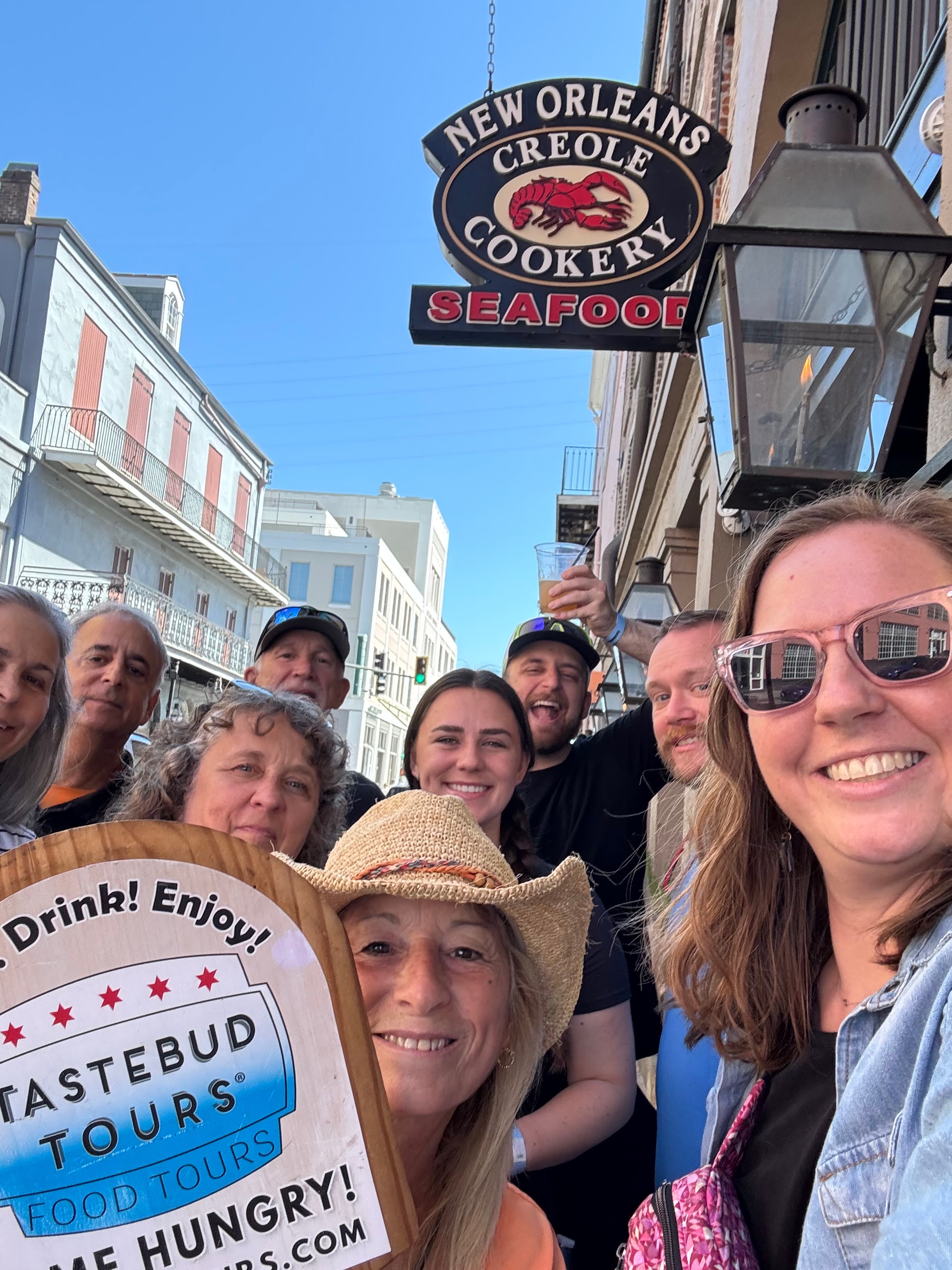
New Orleans cooking moves with water and weather. Crawfish season changes menus. Oysters shift in taste depending on harvest cycles. Shrimp defines entire restaurant identities.
This seasonal rhythm keeps American food culture grounded in nature, not just supply chains.
5. Music and Food Share the Same Streets
In New Orleans, jazz is never far from the kitchen.
A live trumpet outside a café is not background noise. It is part of the experience. Many restaurants feel like extensions of the street performance culture.
Food here does not sit quietly. It moves with sound.
6. Every Neighborhood Tastes Slightly Different
Ask locals, and they will say it simply. “Uptown tastes different from the French Quarter.”
Some areas lean toward seafood richness. Others focus on spice-heavy Creole dishes. Some bakeries still follow century-old French styles.
This micro-local identity is rare in American food culture, where most cities blur culinary differences.
7. Nothing Here Feels Frozen in Time
Some cities preserve food like a museum exhibit. New Orleans does not.
Chefs experiment constantly while respecting roots. A modern kitchen might serve a traditional gumbo with a slight twist, but never erase its foundation.
That balance is why American regional cuisine here stays relevant instead of nostalgic.
What You Eat on a New Orleans Food Journey
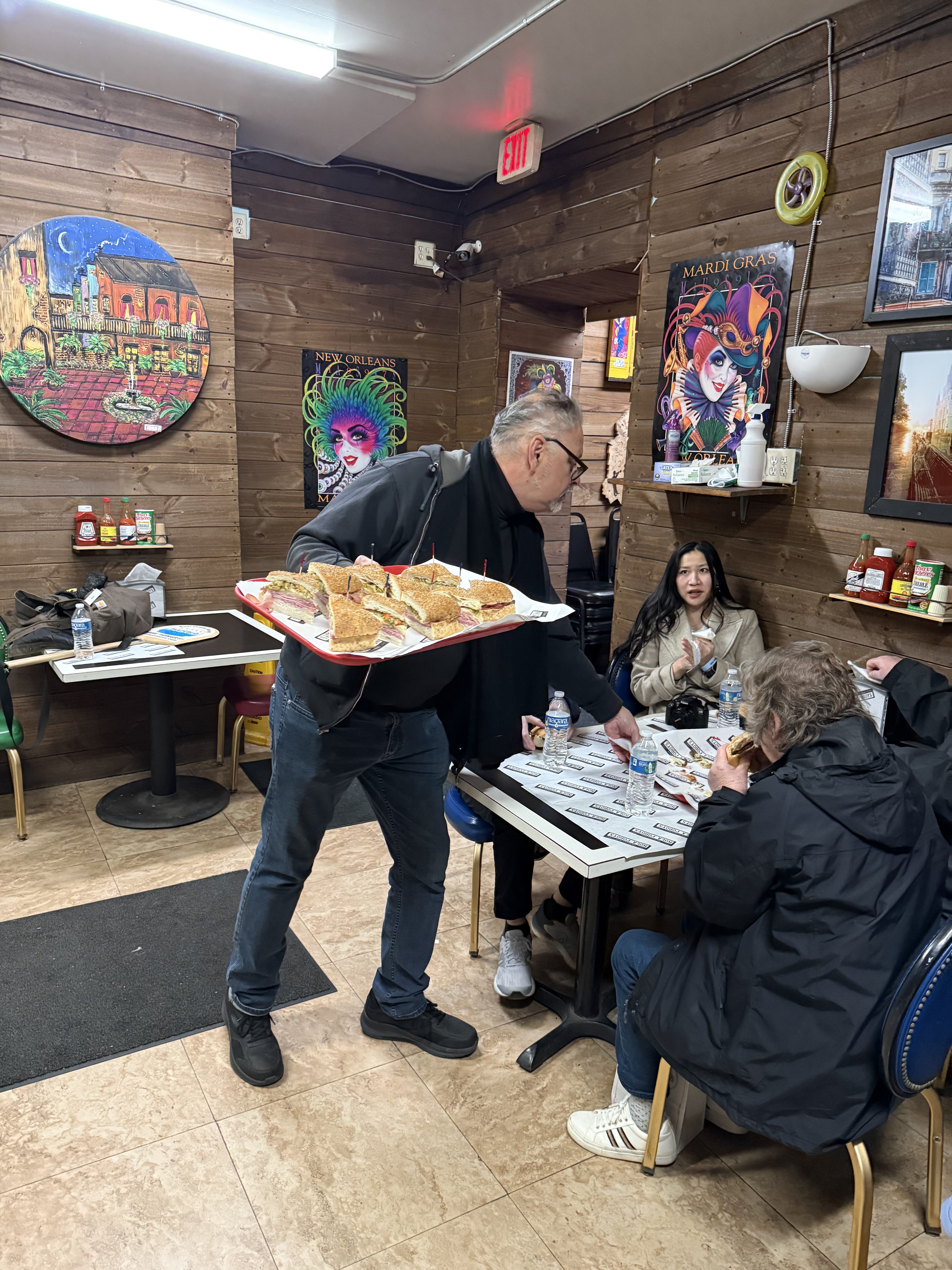
Most visitors quickly realize that seeing food menus online does not prepare them for the real experience in New Orleans.
A guided route through Tastebud Tours typically includes curated stops that reflect both history and flavor identity. These are not random selections. They are chosen to represent true American food culture in action.
Typical tastings may include:
- Gumbo rich with slow-cooked depth
- Jambalaya with bold Creole seasoning
- Po’boys layered with local seafood or roast meats
- Fresh beignets dusted in sugar
- Seasonal crawfish or oyster preparations
Each bite connects back to the larger story of American regional cuisine, not just hunger.
Why a Guided Food Tour Changes the Entire Experience
Many travelers wonder if they should explore alone.
That question is fair. New Orleans looks walkable. Food is everywhere, but what is not obvious is context. Without context, everything starts to feel similar.
A guided experience through Tastebud Tours removes that confusion quickly. Instead of guessing where to eat, visitors move through carefully chosen stops that connect food to history.
This is what usually changes the experience:
- You understand what you are eating, not just what it tastes like
- You avoid tourist-heavy food traps
- You learn how dishes evolved over time
- You walk at a comfortable pace through historic streets
- You get access to local stories most menus never mention
A simple po’boy suddenly stops being “just a sandwich.” It becomes a piece of American food culture shaped by workers, neighborhoods, and history.
The Experience That Stays With You Long After You Leave
After experiencing New Orleans through its food, it becomes harder to look at any American menu the same way again. A dish is no longer just a recipe. It becomes a result of economics, migration, geography, and time working together in the background.
That is where American regional cuisine reveals its real structure, not as a category, but as a system shaped by lived history.
A guided food walk makes this visible in a way solo exploration rarely does. It quietly trains the eye to notice patterns. That is the real takeaway from New Orleans. It is no longer about recalling what was tasted there. It is about seeing food anywhere else with a clearer sense of context, meaning, and origin.
Common Questions Travelers Ask Before Booking
These are real concerns most visitors think about before joining a food tour:
Is it worth it compared to eating on your own in New Orleans?
Yes, especially when the goal goes beyond just eating. A guided experience adds context that is easy to miss when exploring alone. It helps connect food with history, place, and culture in a way that feels more complete.
Will I get enough food during a New Orleans food tour?
Most well-designed tours are built around multiple tastings, not small samples. The idea is to feel satisfied while still experiencing a variety of local flavors.
Is walking difficult in the New Orleans heat?
The routes are usually planned with comfort in mind. There are breaks, shaded stops, and a steady pace, so it feels manageable rather than tiring.
Do I need food knowledge beforehand?
Not at all. The experience is designed to be accessible. Whether someone is deeply interested in food or simply curious, everything is explained in a clear, easy way.
Are guided food tours in New Orleans touristy or authentic?
It depends on how the tour is curated. The better experiences focus on locally rooted spots and real stories, which is what keeps them grounded and authentic.