What Food Is Only Found in New Orleans? 6 Local Dishes Every Visitor Should Try
In New Orleans, it does not take long before the food grabs your attention. A pot of gumbo cooking nearby, fresh beignets covered in powdered sugar, or fried shrimp spilling out of a po’ boy bigger than the plate itself.
So, what food is only found in New Orleans?
The city is famous for dishes that feel deeply tied to its culture. Gumbo, chargrilled oysters, muffulettas, crawfish étouffée, and beignets all come with stories shaped by Creole, Cajun, French, African, Spanish, and Italian influences.
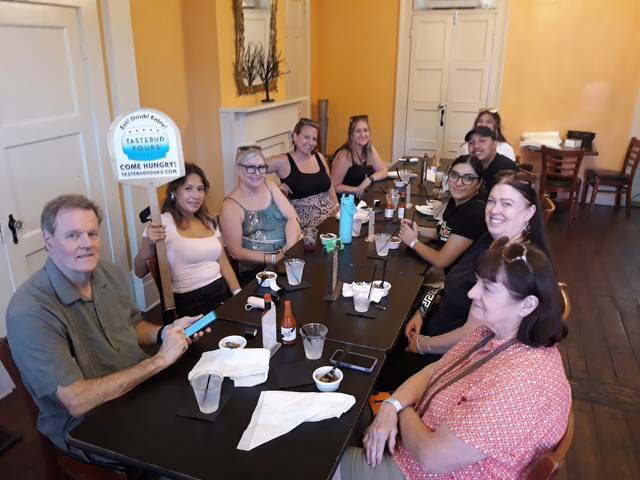
That is why many people book experiences through Tastebud Tours. Our New Orleans food tours walk guests through the city’s old neighborhoods while sharing the food spots and local stories most tourists would probably miss on their own.
6 Local Dishes You Must Try in New Orleans
1. Gumbo: The Heart of New Orleans Cooking
If somebody asks, “What food is only found in New Orleans?” Gumbo usually enters the conversation first.
Real gumbo starts with a roux cooked slowly until it turns dark brown, almost like melted chocolate. Some chefs stand over the stove for nearly an hour just building that base flavor alone.
Then come the layers:
- Sausage
- Seafood
- Chicken
- Okra
- Filé powder
- Cajun or Creole seasoning
Every family seems to have its own version. Every local insists their is best.
A rushed gumbo tastes flat immediately. A good gumbo tastes deep, smoky, and comforting. The kind of meal that makes people quiet after the first spoonful.
Food tours help visitors avoid disappointing versions made only for tourists. Guides from Tastebud Tours explain the difference between Cajun and Creole gumbo while guests taste recipes connected to generations of local cooking.
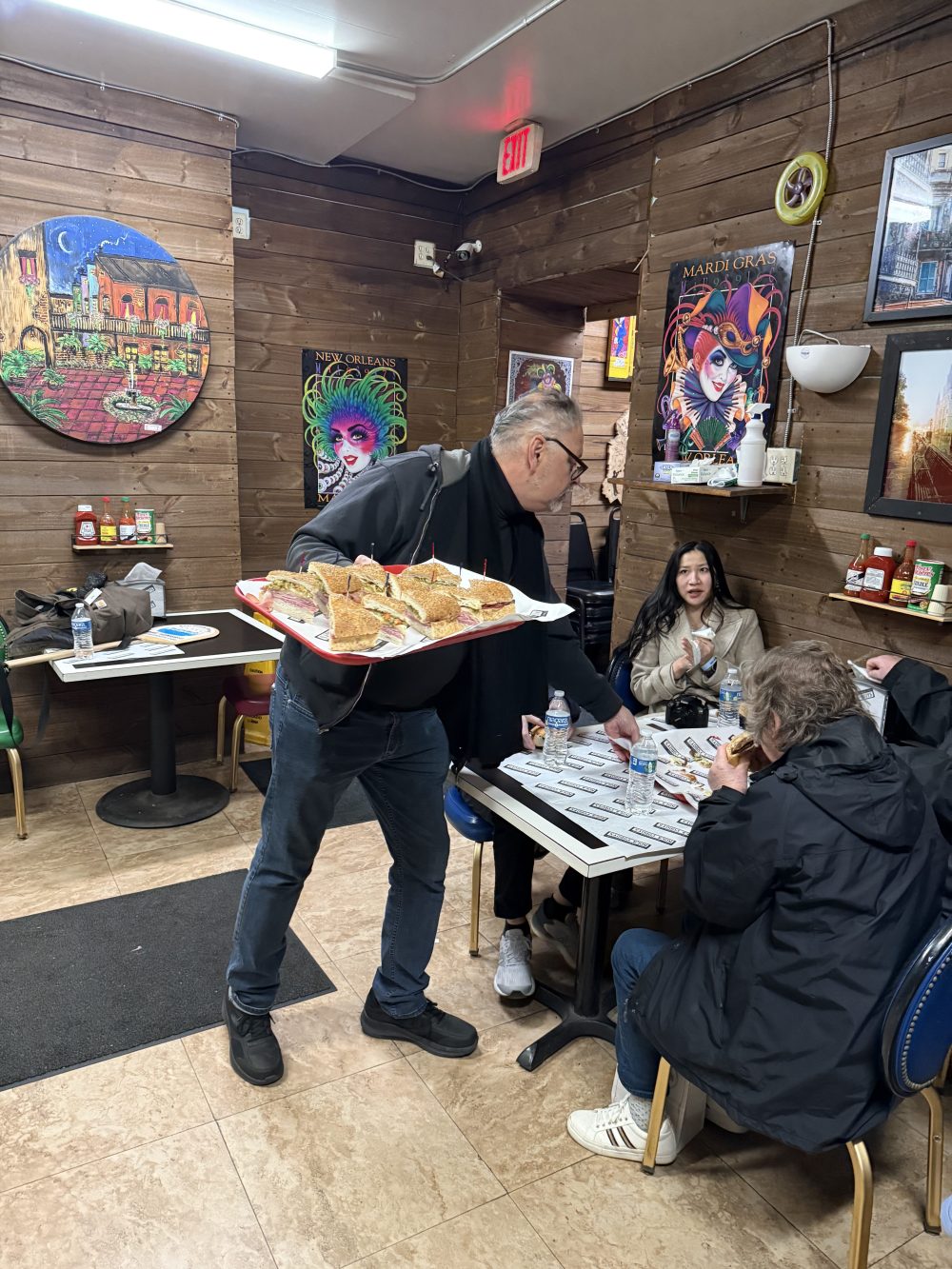
2. The Muffuletta Sandwich Is Big, Messy, and Worth It
At Central Grocery in the French Quarter, the muffuletta usually starts dripping olive oil into the paper after the first few bites. It gets messy fast. The paper is not soaked beforehand. The olive salad and oils slowly spill out as people eat. That is usually when people realize this is not a regular sandwich.
It is stacked with salami, ham, mortadella, provolone, and a strong olive salad on round sesame bread. The taste is bold, salty, tangy, and garlicky.
Yes, it gets messy fast.
- Oil soaks into the bread quickly
- The olive filling falls out with every bite
- It is big enough to share, but rarely shared
- Hands get messy within minutes
- Napkins never really help
The sandwich comes from Sicilian immigrants who settled in New Orleans in the 1800s. Over time, it became a local classic.
People often ask if it is worth trying.
It is. Especially while walking through the French Quarter with music in the background and old balconies above.
3. Po’ Boys: A Sandwich Locals Take Seriously
People outside of Louisiana often think a po’ boy is just another seafood sandwich.
Locals disagree immediately.
The bread changes everything.
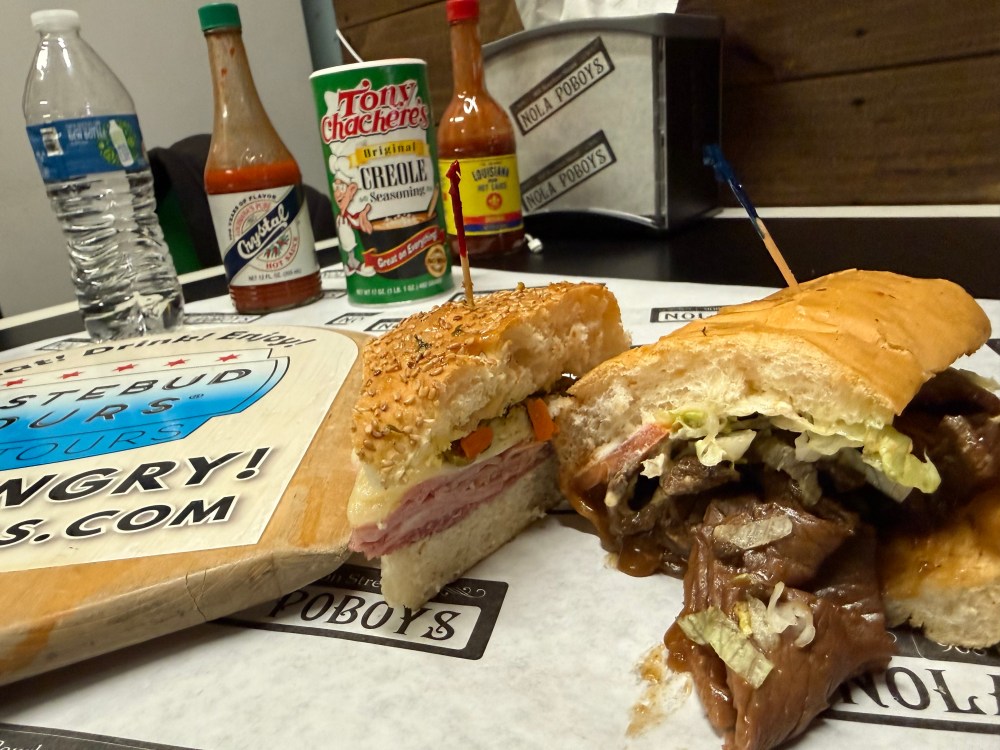
Real New Orleans French bread has a crusty outside with a soft center that almost collapses under gravy or fried shrimp. Gulf humidity actually affects the texture, which is one reason visitors struggle to find the same bread elsewhere.
Popular po’ boys include:
- Fried shrimp
- Roast beef with gravy
- Fried oysters
- Catfish
- Soft-shell crab
The roast beef version gets wonderfully messy. One bite in, and the gravy is already dripping down the wrist. Napkins usually lose that battle.
The sandwich itself has roots in the 1929 streetcar strike. The restaurant owners, Benny and Clovis Martin, fed free sandwiches to struggling workers they called “poor boys.” That is how the dish got its name.
A good guide connects those stories to the places where they happened.
4. Crawfish Étouffée Feels Like Southern Comfort
Étouffée literally means “smothered,” and that name fits perfectly.
Crawfish tails cook slowly in a thick, buttery sauce. Onions, celery, bell peppers, garlic, and Cajun spices melt into each other. Everything lands over a warm bed of rice.
Compared to gumbo, it feels less smoky and more gentle. Like something you eat when you want to slow down a little.
During crawfish season, New Orleans changes pace. Streets feel more alive. Backyards turn into small feasts.
- Big pots of crawfish boiling outside
- Tables covered in old newspapers
- People peeling and eating with bare hands
- Spice everywhere, even in the air
- Neighbors talking across fences like it is normal
Visitors often stop walking when they catch that smell.
5. Chargrilled Oysters Convert Even Skeptics
Most people who say “I don’t like oysters” change their minds in New Orleans.
One plate is usually enough. At spots like Drago’s, oysters come out sizzling. Garlic butter bubbles inside the shell. Parmesan melts on top. Smoke rises before the plate even hits the table.
It smells rich. Almost unfair.
- Hot butter still bubbling when served
- Slight char on the edges from the grill
- Bread on the side for soaking up sauce
- Servers moving fast because plates don’t last long
- First bite usually followed by silence
The city’s seafood culture runs deep. Oysters, shrimp, and crawfish are not just dishes here. They are part of everyday life.
That history shows up in seafood walks and food tours, where guides talk about fishing culture, old markets, and how the Gulf shapes what ends up on the plate.
6. Beignets from Cafe Beignets in Bourbon Street
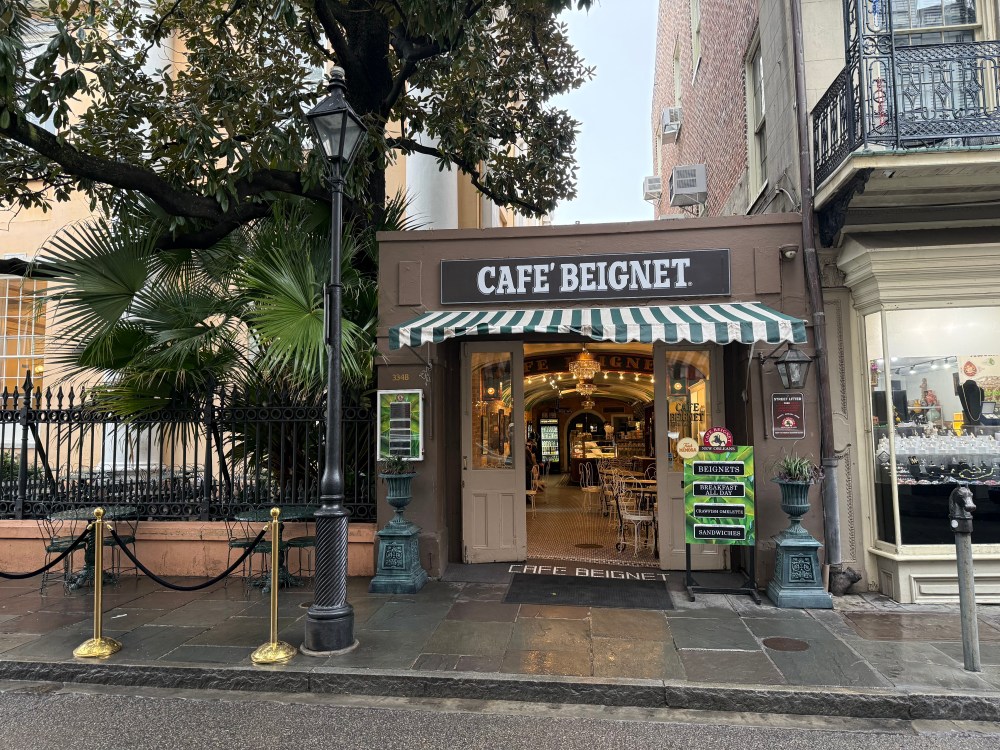
Nobody really leaves New Orleans without powdered sugar on their clothes.
It just happens. Usually from beignets.
At Cafe Beignets, mornings move slowly. There are small metal tables, coffee in thick white cups, and plates arriving piled high with hot beignets buried under sugar.
The first bite is always messy.
- Sugar falls onto the table, the chair, and the shirt
- Beignets are light, warm, and slightly crisp outside
- Inside stays soft and airy
- Café au lait balances everything with chicory coffee
- People sit longer than they planned to
At first glance, they look like donuts. But they are not quite that.
Other Famous Food in New Orleans Worth Trying
Even visitors staying only a few days quickly realize the city’s food scene goes far beyond gumbo and po’ boys.
Other local favorites include:
- Jambalaya packed with rice, sausage, and spice
- Bananas Foster, first created at Brennan’s
- Red beans and rice, traditionally eaten on Mondays
- King cake during Mardi Gras season
- Yakamein, a local noodle soup known as “Old Sober”
- BBQ shrimp, cooked in buttery pepper sauce, despite the name
The deeper travelers dig into New Orleans cuisine, the more layered the city becomes.
Everybody seems to have a favorite hidden spot. Everybody has opinions, and locals absolutely remember bad gumbo.
Why Booking a Food Tour in New Orleans Is Worth It
Many travelers ask a simple question.
“Do I really need a guided food tour?”
Technically, no, but New Orleans can feel like a lot on your first visit. Every street has food. Every menu looks tempting, and almost every place says it serves “authentic” gumbo.
That is where a good food tour helps. It shows you what actually matters. It connects the food with the stories behind it.
What visitors usually enjoy most:
- Trying several iconic dishes in one walk
- Hearing real stories behind the food
- Exploring the French Quarter while eating
- Finding spots locals actually go to
- Avoiding guesswork and tourist traps
- Understanding Creole and Cajun food better
Tastebud Tours has been doing this for years. Our New Orleans food tours are less about rushing and more about experiencing the city at an easy pace, one bite at a time.