7 Smart Ways Food Tours Help Find the Best Bars in New Orleans French Quarter
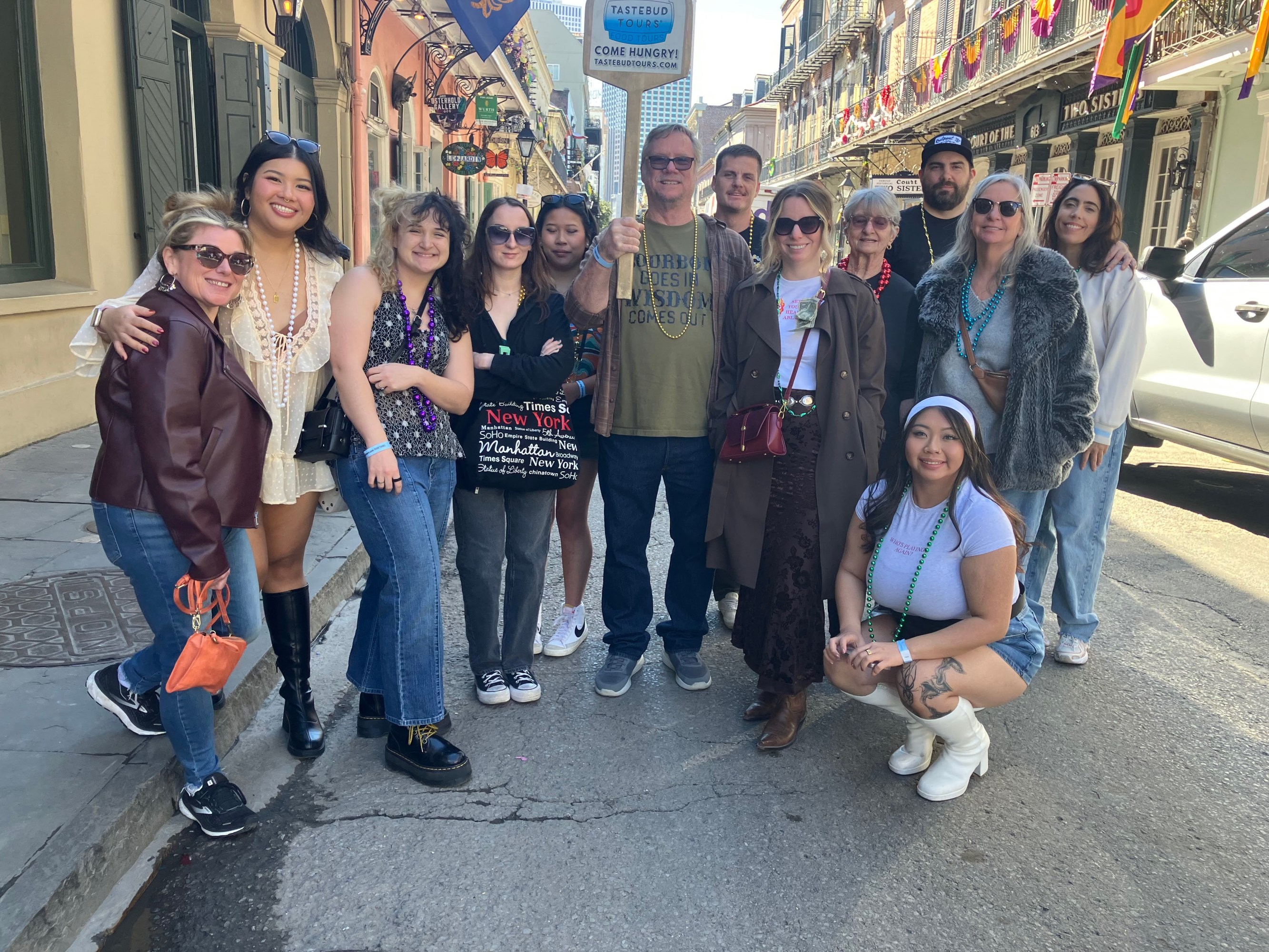
Finding the best bars in the New Orleans French Quarter sounds easy at first. Just walk around, pick a place, order a drink, right?
That’s how most people think it works. Then they actually get here.
Suddenly, you’re standing on a corner with five different bars in sight. Music everywhere. Crowds spilling out. Neon lights bounce off the wet pavement. Every place looks “good enough,” but nothing clearly stands out.
That’s usually when the real question hits:
“Where are the actual good drinks in New Orleans French Quarter, and how do I avoid wasting time?”
That’s exactly where food tours change the game. Not by limiting your freedom. But by removing the guesswork that quietly eats up your night.
A guided food tour in New Orleans French Quarter experience doesn’t just take you to bars. It helps you understand the city while you move through it. You stop chasing random spots and start actually enjoying the ones that matter.
The French Quarter Looks Simple Until You Start Walking It
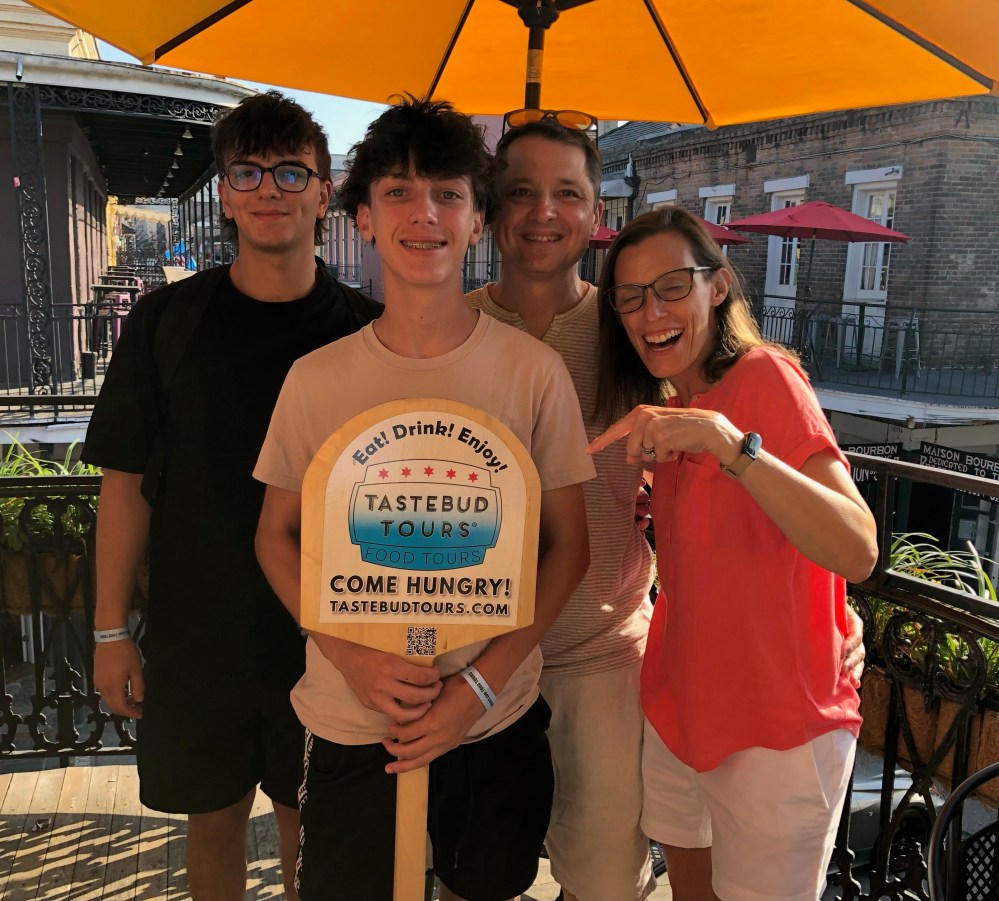
On a map, everything looks close, easy, and walkable. But the French Quarter has a funny way of tricking people.
One block feels like a party. The next feels like a hidden movie set. Then you turn again, and suddenly you’re staring at three bars that all promise the “best cocktails in town.”
Now the confusion starts.
Do you go in here?
Or keep walking?
Or is the next one better?
Most visitors don’t say it out loud, but they’re constantly guessing. Locals don’t really do that. Not because they know everything. But because they already know what to skip. That’s the difference.
1. Food Tours Remove “What Should We Do Next?” Stress
No one talks enough about how tiring bar hopping actually is. At first, it feels fun, spontaneous, and free.
Then, about an hour in, it turns into:
Walk → stop → debate → check phone → walk again.
Suddenly, you’re spending more energy deciding than enjoying.
A guided experience removes that loop completely. You just walk, you stop, you enjoy, and then you move on.
Strangely enough, that’s when the night finally starts feeling like a vacation instead of a decision-making exercise.
2. You Stop Falling for Loud Bars and Start Finding Real Ones
Here’s something the French Quarter teaches quickly:
The loudest place is not always the best place.
Bourbon Street is full of energy. No doubt. But it also makes everything feel “important” just because it’s crowded.
That’s where people get misled.
A packed entrance does not mean a good cocktail. A neon sign does not mean quality.
Guided tours cut through that noise. They quietly steer you toward places that don’t rely on volume to feel special. Places where the drink actually matters more than the crowd.
Once you notice that difference, you can’t unsee it.
3. Are food tours worth it in the New Orleans French Quarter?
This is probably the most common question, and the honest answer is simple:
It depends on what kind of night you want.
If the goal is:
- Wandering randomly
- Discovering places on your own
- Going wherever the crowd looks fun
Then you don’t need a tour.
But if the goal is:
- Finding the best bars in the New Orleans French Quarter without wasting time
- Actually understanding what you’re drinking
- Seeing hidden spots most people walk past
Then yes… It’s usually worth it.
Because the real value isn’t just where you go. It’s what you stop missing.
4. The Best Bars are Not Always the Obvious Ones
Some of the most memorable bars in the French Quarter don’t “announce” themselves.
No big signs. No loud entrances. Sometimes just an old door and a soft glow inside. Tourists walk right past them every day. That’s the funny part.
The places people remember most are often the ones they didn’t expect to enter. A good guide knows those doors. Not from a list, but from experience.
That’s where the night starts to feel different. Less like bar hopping and more like discovery.
5. The Prohibition Story Changes How Every Drink Feels
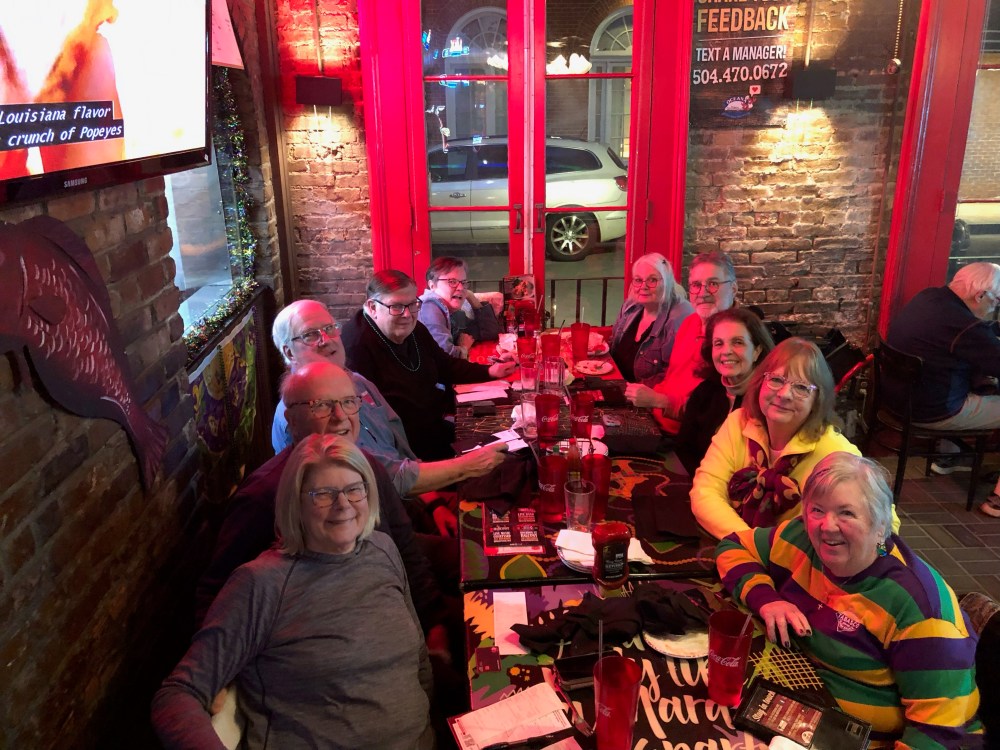
There’s a reason experiences like the New Orleans Prohibition Cocktail Experience of the French Quarter stand out. It’s not just about cocktails. It’s about the history behind them.
The French Quarter didn’t just “invent drinks.” It survived eras where drinking culture had to hide, adapt, and reinvent itself.
When you hear that while standing in the actual streets where it happened… the city hits differently.
Even a simple cocktail stops feeling simple. It starts feeling like part of something older. Like something layered or something is still alive.
6. First-Time Visitors Always Ask: “Is Bourbon Street Worth It?”
Short answer?
Yes, but not the way people expect.
Bourbon Street is not fake; it’s just intense. It’s loud, crowded, overstimulating, and also a little chaotic in the best and worst ways.
But is it where you’ll find the best drinks in New Orleans French Quarter?
Not really.
Most locals and guides treat it like this:
- Walk it once
- Take in the energy
- Maybe grab a drink for the experience
- Then move deeper into the Quarter
Because that’s where the real character shows up. In quieter rooms, older bars, and slower corners.
7. Food Tours Connect Drinking With Real New Orleans Culture
New Orleans doesn’t separate food, drinks, and culture. They all sit at the same table.
That’s why structured experiences feel so natural here. You’re not just hopping bars. You’re stepping into stories, flavors, and traditions that actually belong together.
Tastebud Tours leans into that idea with experiences that go beyond simple walking tours. We offer:
- NOLA Craft Cocktail Class, where guests learn how classic New Orleans cocktails are built, step by step
- Craft Cocktail Class and Luncheon pairing hands-on cocktail making with a full dining experience
- Bubbles and Bourbon Brunch that mixes brunch culture with local spirits in a relaxed, social setting
What’s interesting is this:
People rarely remember just the drinks themselves. What stays with them is the story behind how those drinks were created. That is what actually lingers.
So, What Actually Makes the Best Bars in New Orleans French Quarter “Best”?
It is never just location. A busy corner on Bourbon Street can look perfect on paper and still feel forgettable once the drink is gone. At the same time, a quiet doorway two blocks away can turn into the highlight of the night without warning.
It is also not just popularity. Crowds in the French Quarter often follow convenience, not quality. So the idea that “busy equals best” falls apart fast once you start exploring deeper.
What really defines the best bars in New Orleans French Quarter is a mix of details most people only notice when they slow down:
- A story that ties the place to Prohibition or jazz history
- The atmosphere that shapes how you feel inside the space
- Craft in how cocktails are actually made
- The timing of when you arrive
- Knowing where to pause long enough to feel the city breathe
Most visitors only see the surface. The real experience appears when those layers connect, and suddenly the French Quarter stops being a checklist and starts feeling like a story you are walking through.
When the French Quarter Finally Starts to Make Sense
There is a moment in the French Quarter when everything slows down just enough. Music still plays from nearby bars. People still move through the streets. But the pressure to decide where to go next starts to fade.
That is usually when the experience changes.
You realize the night was never only about chasing the best bars but about finding a few places that actually feel right once you step inside them.
That is also when people start thinking differently about the best drinks in New Orleans French Quarter. Because at that point, it is no longer about ordering more. It is about understanding where the drink fits into the city itself.
Most visitors only see the surface. A list of bars. A busy street. A quick stop here and there. But the real experience shows up when someone helps connect the dots.
That is where guided food tours of the New Orleans French Quarter make a real difference. They remove the guessing, guide the timing, and show you how the Quarter actually flows instead of leaving you to figure it out alone.
Once that happens, the city becomes much easier to understand.