
New Orleans in August: 7 Ways to Beat the Heat and Discover Local Food
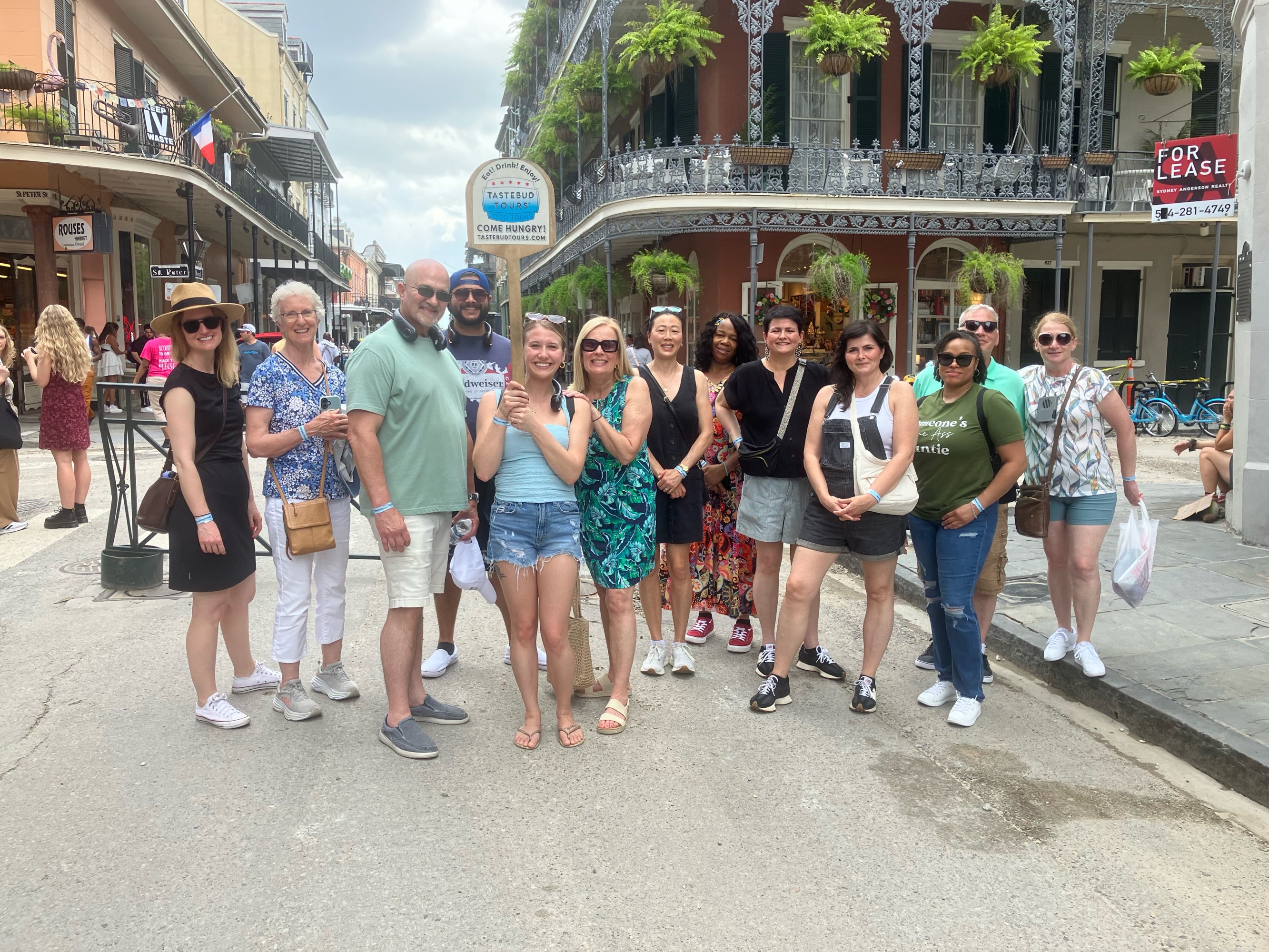
New Orleans in August feels intense the moment you step outside. But it is still one of the most rewarding times to explore the city’s food scene if the day is planned around the heat instead of fighting it.
Step out of an air-conditioned space, and you feel it right away. The air is heavy, the streets shimmer, and everything slows down. Locals adjust their pace instead of rushing through it, and that shift changes how the city is experienced.
Most guides treat August like a warning. In reality, it is just a rhythm change.
Once you understand that, New Orleans’ August weather becomes easier to work with, especially if food is the focus. This is also why guided experiences like Tastebud Tours’ food tours fit the season so well. The routes, pacing, and stops are already designed for comfort and flavor.
The real question is simple: how do you enjoy New Orleans in August without feeling drained halfway through the day?
Is New Orleans in August Worth Visiting?
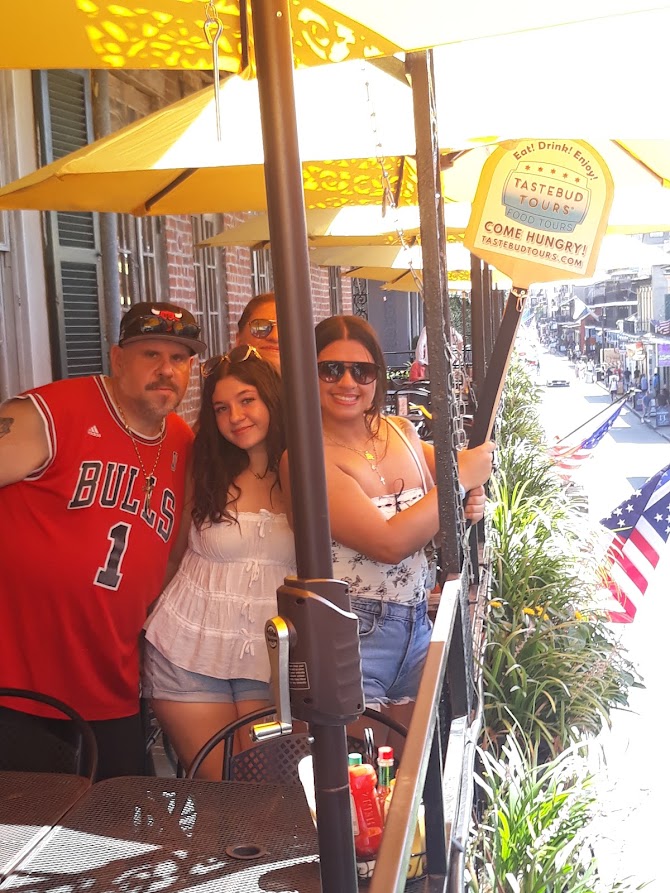
The honest answer is yes, but only if expectations match reality.
August is not the month for long midday walks or packed sightseeing schedules. It is the month for slower exploration, shaded corners, indoor breaks, and food-led experiences that break the day into manageable pieces.
What changes in August is not the quality of the city. It is the pace.
Crowds are lighter, restaurants feel more accessible, and locals are more relaxed. The food scene, arguably the biggest reason people visit, continues running at full strength regardless of the temperature.
If anything, August rewards people who travel with intention instead of trying to see everything.
Understanding New Orleans in August Without the Guesswork
The New Orleans weather in August is predictable, which is actually helpful when planning.
Expect:
- Daytime highs in the low to mid-90s°F
- High humidity makes it feel warmer
- Brief afternoon rain showers that pass quickly
- Warm evenings that feel more comfortable than midday
- Strong reliance on indoor cooling spaces
The mistake most visitors make is treating the entire day the same. Locals don’t do that. They build their day in layers: early activity → indoor pause → food stop → rest → evening walk.
Once that pattern is followed, the city becomes far more manageable.
7 Ways to Enjoy New Orleans in August Without Burning Out
The goal is simple. Don’t try to overpower the heat, but work around it.
1. Start Early Before the City Fully Wakes Up
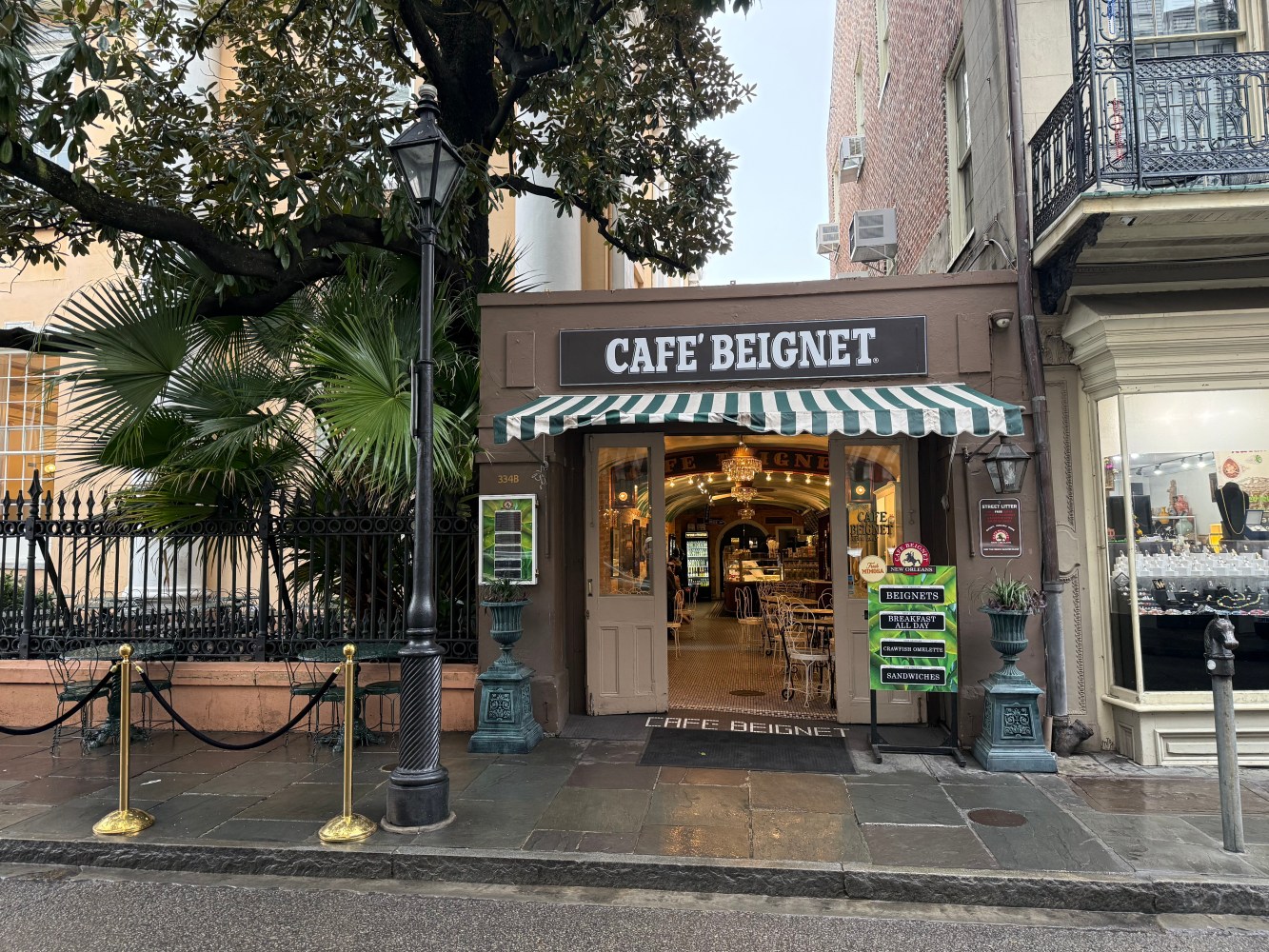
There is a short window in the morning when New Orleans feels almost soft.
Before 9 or 10 AM, the heat don’t fully settle. The streets are active but not crowded. Café doors open slowly. The sound of cups, footsteps, and light conversation replaces the heavier rhythm of midday.
This is the moment for simple, iconic experiences.
Beignets at Café du Monde. Coffee in a quiet corner. A slow walk through Jackson Square before tour groups arrive. Nothing rushed or forced. Because once the sun climbs higher, everything changes pace.
2. Why Food Tours Work Better Than DIY Exploring in August
Walking through New Orleans sounds easy, but in August, distance feels different. Two blocks can feel like six. Standing outside waiting for food feels heavier than expected. Decision fatigue builds quickly.
So the real question becomes:
Is a guided food tour actually worth it, or should you explore on your own?
In August, guided tours almost always win. Tastebud Tours designs guided food tours around three things most travelers underestimate: comfort, timing, and storytelling.
Instead of a random walk between restaurants, the experience is structured. Stops are chosen not just for food quality but for pacing. Indoor breaks are built in. Routes avoid unnecessary exposure, and each stop adds context, not just calories.
More importantly, it removes decision fatigue. You don’t think about where to go next. You just experience the city.
3. Eat in a Rhythm, Not in Big Heavy Meals
Food in New Orleans is rich, layered, and deeply satisfying. But in August, big meals in one sitting can feel overwhelming. Locals adjust without even thinking about it.
Instead of one heavy restaurant visit, the day becomes a sequence:
- Light breakfast
- Small tasting stop
- Shaded break
- Another small bite
- Relaxed dinner after sunset
This rhythm keeps energy steady and prevents fatigue from building. It also makes food tours feel natural. You are not eating too much. You are sampling the city in manageable layers.
A po’boy here. A gumbo tasting there. A praline somewhere in between. It stops feeling like a meal schedule and starts feeling like exploration.
4. Plan Your Day Around Air Conditioning Stops (This Is Not Optional)
One of the biggest differences between a comfortable trip and a draining one is how often indoor cooling is used. In New Orleans, air conditioning is part of the travel strategy. Museums, cafés, shops, and restaurants are not just attractions. They are recovery points.
A smart August itinerary looks like this:
- Walk 10–15 minutes
- Step indoors to cool down
- Eat or drink something
- Rest briefly
- Repeat
Trying to stay outside continuously is where most visitors struggle. Once indoor stops are treated as part of the plan instead of interruptions, everything becomes easier.
5. Choose Neighborhoods That Match Summer Movement
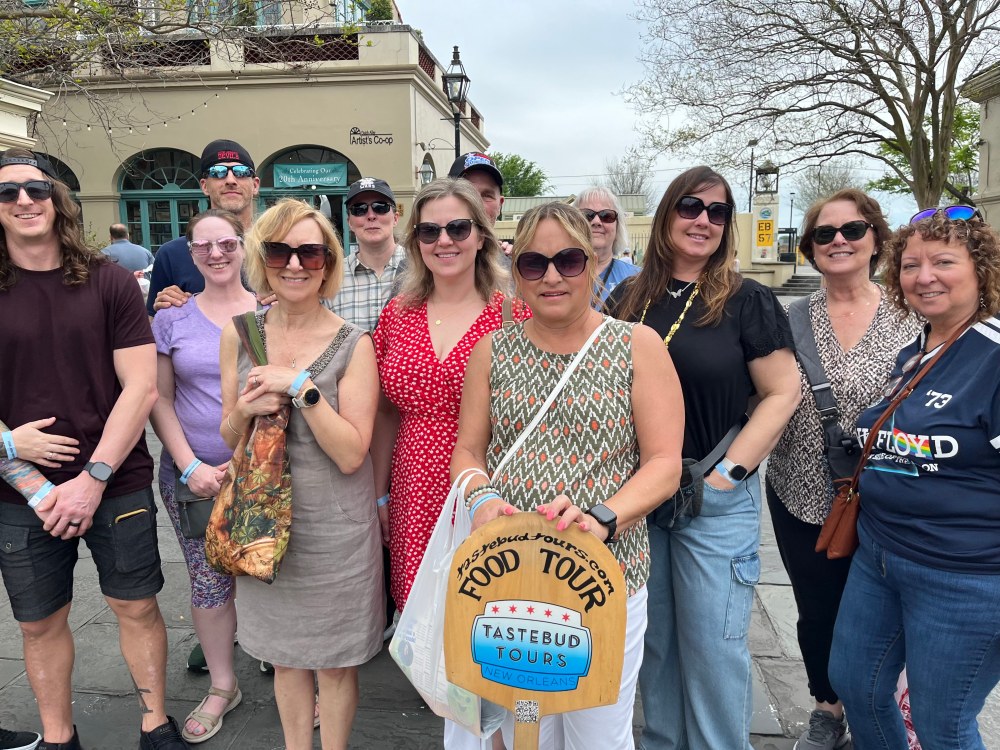
Not all parts of New Orleans feel the same in August. Some areas are naturally more walkable and shaded, while others require more exposure.
The French Quarter works well because everything is close together and indoor stops are frequent. The Garden District feels slower and more shaded under oak trees. The Warehouse District offers more indoor-heavy experiences with restaurants and galleries.
This is where guided routes matter again. Instead of guessing what works in the heat, curated food tours already select neighborhoods that make sense for summer pacing.
It is not about seeing more places. It is about avoiding unnecessary friction.
6. Hydration is not a Tip, It is a Requirement
Humidity changes how the body responds to heat. In New Orleans in August 2026, hydration becomes less about convenience and more about maintaining energy.
The tricky part is that thirst doesn’t always arrive early; fatigue does. Locals handle this by constantly balancing with water, iced drinks, coffee in moderation, and shaded pauses.
A simple rule works best: If you are thinking about water, you are already behind.
Food tours naturally help with this because drinks are often included at stops, which helps keep energy more stable throughout the experience.
7. Let Evening Be the Real Version of the City
Everything changes after sunset. The air loosens, streets feel alive again, music becomes louder and more present, and conversations spill onto sidewalks.
This is when New Orleans feels closest to its reputation. It is also when the day finally feels easy. Instead of using the evening to escape the heat, it becomes the reward for pacing the day correctly.
A well-timed food tour often ends near this transition, which makes stepping into the night feel effortless.
Why Guided Food Tours Make August Travel Simpler, Not Limiting
New Orleans is not difficult because it is complicated. It feels difficult only when the pace is wrong. That is where structured experiences like Tastebud Tours quietly make the difference.
You still explore, taste, and experience the city through its food. But you are not carrying the stress of planning every stop in heavy heat. That shift is often what separates a tiring trip from a memorable one.
In the end, New Orleans in August is not about doing everything. It is about moving with the city in a way that feels steady, comfortable, and easy enough to actually enjoy.