
New Orleans Turtle Soup : The Historic Dish That Still Shows Up on Menus
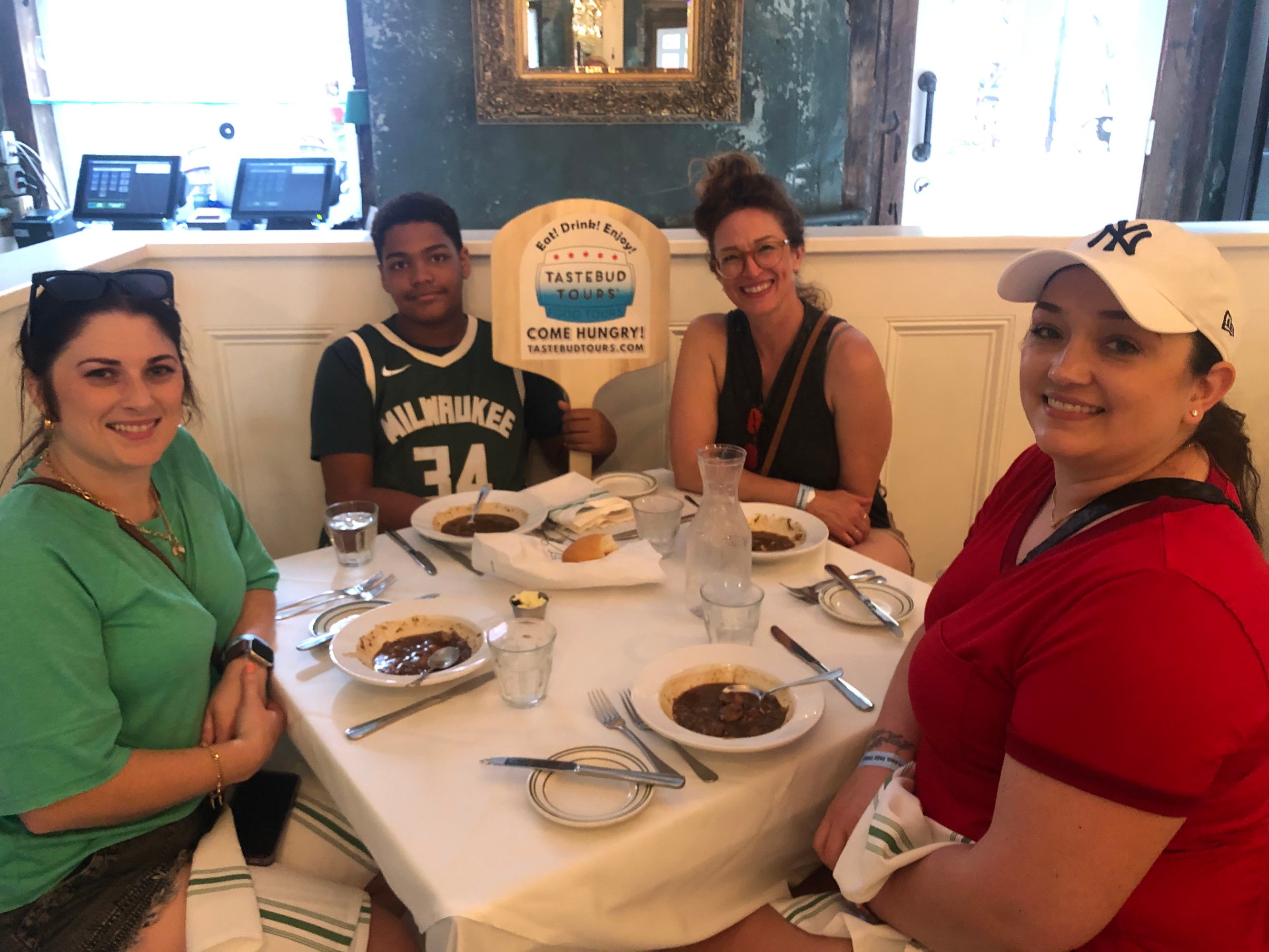
New Orleans turtle soup is a rich Creole dish made with braised snapping turtle, dark roux, herbs, and a splash of sherry. You still find it in a few old French Quarter restaurants that still cook it the traditional way.
Most people hear the name and pause. It doesn’t sound like something from a modern menu. That reaction is normal. It’s not a trendy dish and not made for curiosity. It has just stayed part of the city’s food culture for a long time.
People usually ask one simple question: What is turtle soup in New Orleans?
It’s a thick Creole soup with a deep flavor. It’s slow-cooked, which feels closer to stew than broth.
New Orleans Turtle Soup is Different from Normal Soup
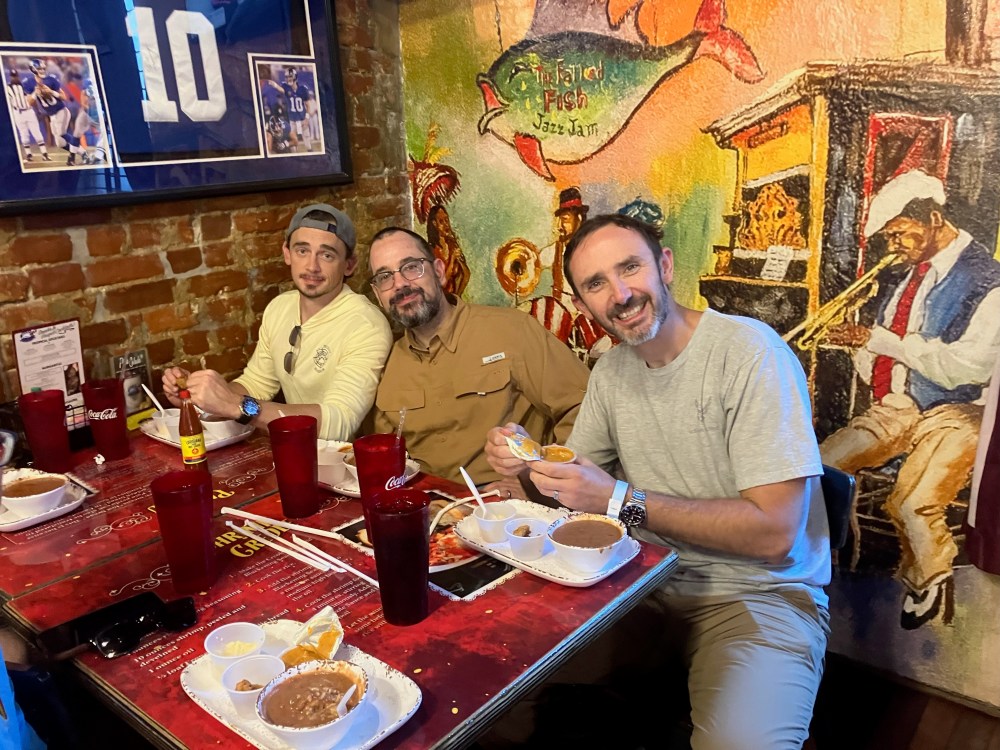
The texture is the first thing people notice. It’s thick and heavy, and not watery. In older French Quarter kitchens, New Orleans turtle soup starts with snapping turtle meat cooked slowly until it’s tender. That part takes time.
Then a dark roux is made. It’s cooked slowly until it turns deep brown. That builds the flavor. After that, onion, celery, and bell pepper are added. They cook down fully into the base. At the end, a small splash of sherry goes in. It lifts the smell and rounds out the taste.
What you get:
- Thick slow-cooked base
- Tender shredded meat
- Deep roux flavor
- Soft-cooked vegetables
- Light sherry finish
- Stew-like texture
So, What is Turtle Soup in New Orleans Really About?
If you step back from the curiosity factor, the dish starts making more sense. It comes from a time when French cooking techniques blended with Louisiana ingredients. River food was normal. Cooking slowly was standard practice, not a technique people thought about.
The flavor was not rushed. It was developed. That history still shows up in a few restaurants that continue to serve it without changing the structure too much.
Places like Antoine’s Restaurant still keep it on the menu in a traditional form. It has been part of their identity for a long time. At Brennan’s, it appears in a refined Creole dining setting. The presentation may feel modern, but the base recipe stays close to tradition.
Then there is Commander’s Palace, where the dish sits within classic fine dining culture that still respects old Louisiana techniques.
These places matter because they are not referencing history. They are still cooking it.
The Taste is Usually Not What People Expect
Expectations are often wrong here. People imagine something unusual or overly strong. That is not really how it comes across.
The meat itself is mild. It does not dominate the dish. The roux carries most of the depth. That is the foundation. Herbs like thyme, bay leaf, and garlic sit behind everything. They are present, but not sharp. The sherry at the end is subtle. It lifts the richness slightly without changing the core flavor.
Most first-time reactions sound simple:
- “It’s richer than I expected.”
- “It doesn’t taste strange at all.”
- “I thought I wouldn’t like it, but I do.”
It does not hit all at once. It settles in as you eat it. That is usually what surprises people the most.
You Won’t Find It Everywhere, And That’s The Point
Unlike gumbo or jambalaya, New Orleans turtle soup is not widely available. It is usually found in older restaurants, fine dining spots, or as a quiet menu item that does not get much attention. That limited presence is why many visitors never encounter it unless someone points it out.
The decision around it is rarely just about taste. It is usually about timing.
Travelers think things like:
- “Should I try something unfamiliar this late in the trip?”
- “I only have a few meals left here.”
- “What if I miss something better on the menu?”
These are normal decisions when traveling. Not food criticism. Just a limited time.
Why Food Tours Make This Decision Easier
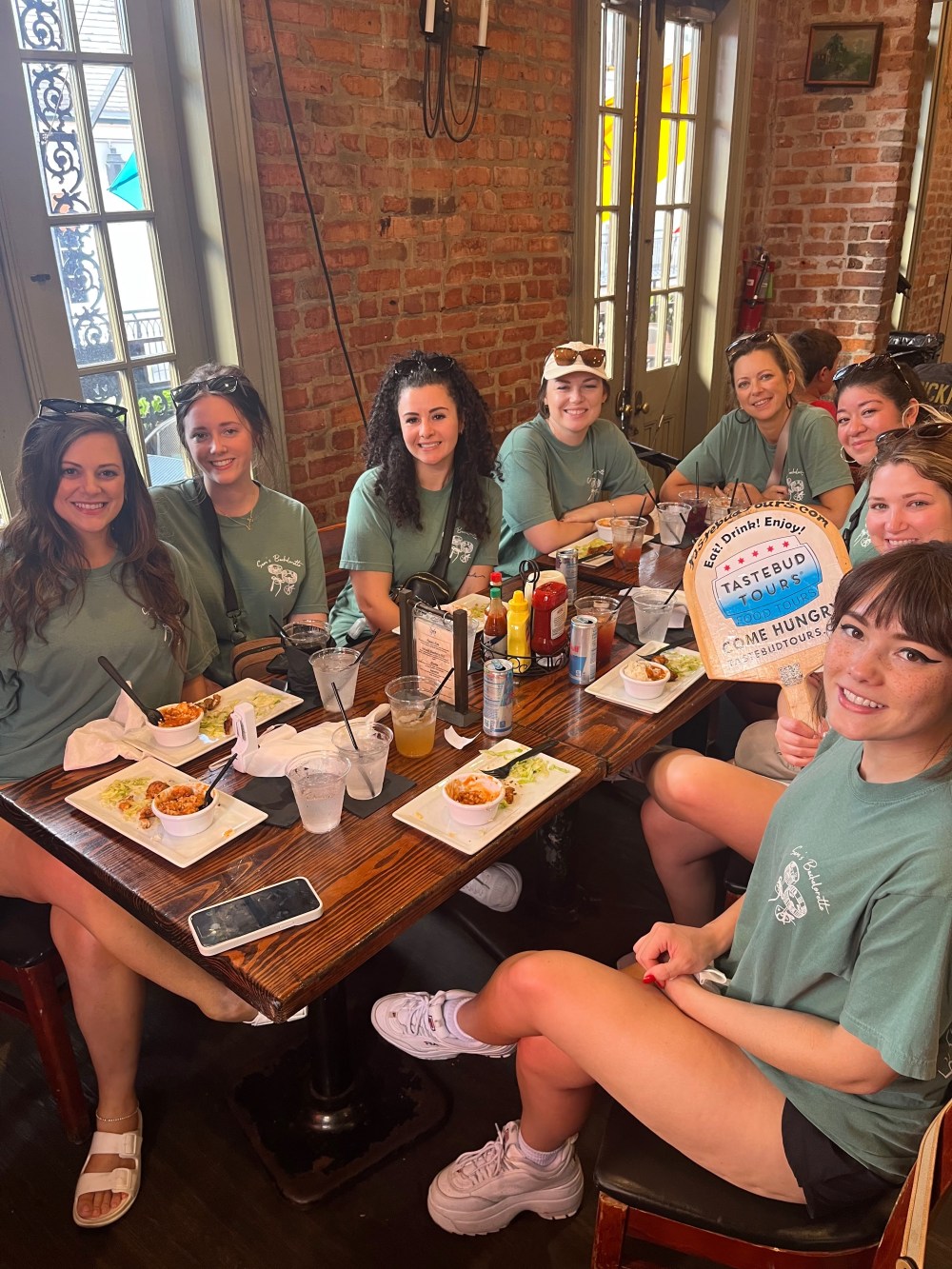
This is where guided experiences change the outcome. Booking through Tastebud Tours removes the pressure of choosing blindly from a menu. Our New Orleans food tours move through the French Quarter with stops that connect food directly to history and culture.
Instead of guessing what something is, you hear the context first. When turtle soup appears on these tours, it is not presented as something unusual or risky. It is introduced as part of a long-standing food tradition.
That changes how people approach it. It stops being a decision based on fear of regret, and becomes a simple curiosity:
Why has this dish survived so long without disappearing?
Is New Orleans Turtle Soup Worth Trying or Should You Skip It?
If you are already in New Orleans, it makes sense to try it at least once. Not because it is unusual, but because it is part of the city’s food identity. It is not a novelty dish. It is a traditional Creole preparation that still exists in a small number of restaurants.
But it is not for everyone. The texture is thick. The flavor is rich. It is heavier than most soups people are used to.
A simple way to decide:
- Try it if you enjoy gumbo, stews, or rich sauces
- Try it if you like traditional Creole or French-style dishes
- Skip it if you prefer light soups or mild flavors
- Try a food tour if you want a smaller introduction first
Most visitors do not plan to eat it. They end up trying it because it appears in the right place at the right time.
Final Thoughts
Some foods in New Orleans click right away. Turtle soup usually doesn’t. Most people see it on a menu and hesitate for a second. It just sounds a bit unfamiliar at first.
But it has been around for a long time, and you still find it in a few old restaurants that never really dropped it. It starts to make sense once you know its background and how it’s made.
At that point, it stops being about whether you like it or not. It becomes more about why a dish like this is still around in a city that keeps changing.