
Oysters in New Orleans: 7 Reasons It’s America’s Best Seafood City
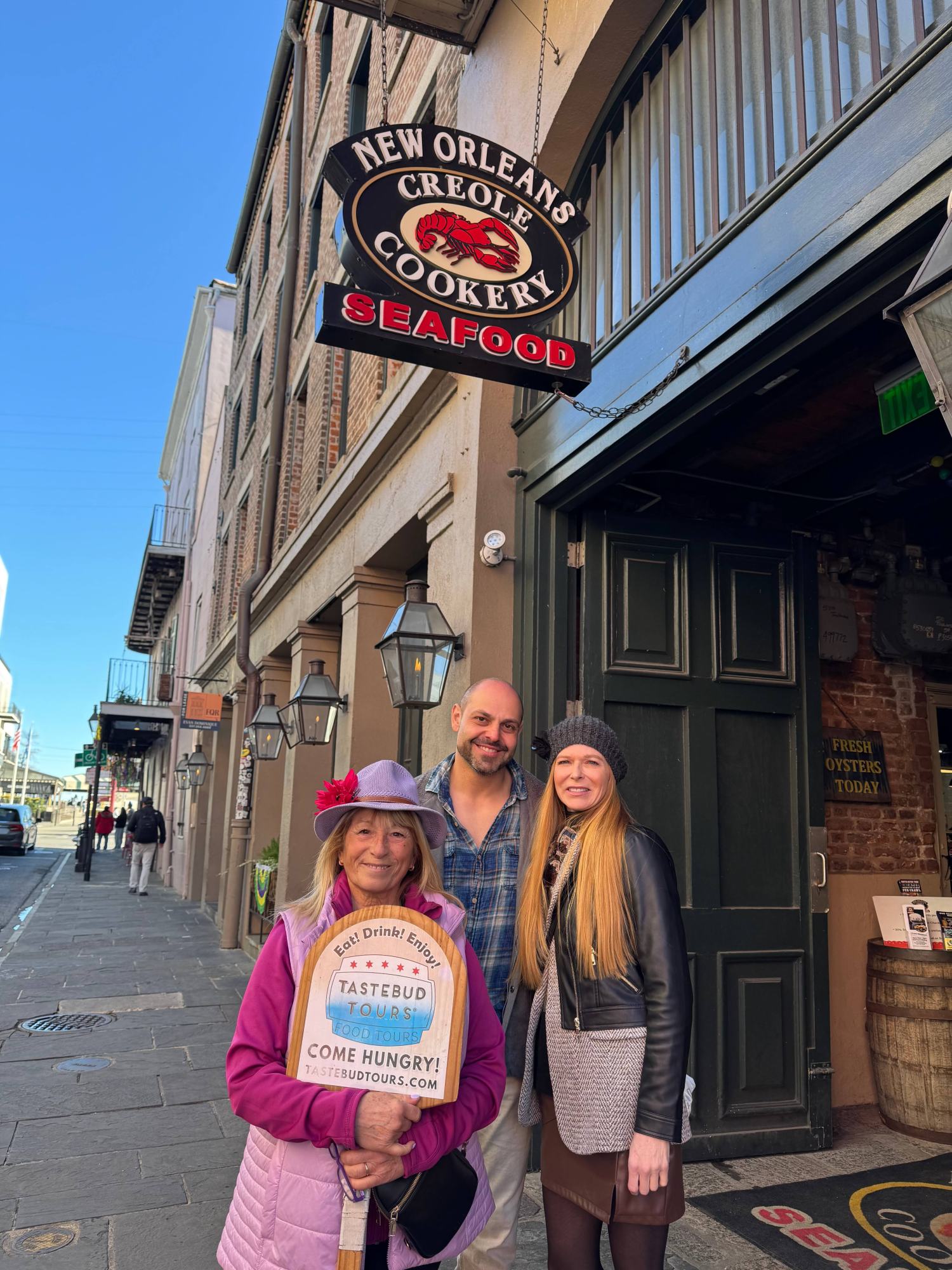
Oysters in New Orleans are not just another menu item. They feel like part of everyday life, something locals grow up with, talk about, and eat without overthinking it.
Visitors usually arrive unsure. Oysters can seem intimidating at first, especially if they have only had average versions elsewhere. Then a plate shows up in the French Quarter, raw or chargrilled and bubbling with butter, and that hesitation tends to disappear fast.
The real challenge is not tasting them. It is choosing where to start. With so many spots claiming to serve the “best oysters in New Orleans French Quarter,” decisions get overwhelming quickly.
This is where guided food experiences help simplify things. Options like Tastebud Tours take the guesswork out by leading guests through trusted local food stops instead of random trial and error. Their Original New Orleans Seafood and History Food Tour combines oysters, seafood, and local stories in a structured way. Our wider New Orleans food tours lineup gives flexible ways to explore the city’s food scene.
Once the pressure of deciding where to go disappears, oysters in New Orleans become much easier to enjoy.
Why Oysters in New Orleans Taste Different Right Away
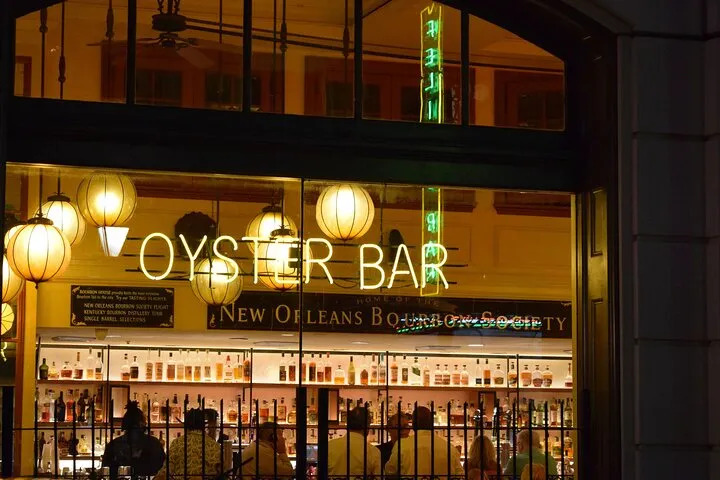
There’s a reason people remember their first oysters here more than anywhere else. It’s not fancy plating or restaurant hype. It’s the taste. They come from the Gulf, and you can tell. The flavor is clean in a way that surprises people. Not bland, just direct. Like the ocean without anything in between.
Locals don’t really over-explain it. They just eat them and move on with the conversation. Visitors usually pause, though. That small moment says a lot. Something about it feels simpler than expected.
1. Gulf Freshness That Changes the Bite
Freshness is not a marketing word here. It’s the whole foundation. Oysters don’t travel far before they land on the table, and that alone changes the texture and taste more than most people expect.
- Briny but not overpowering
- Soft but still structured
- No “stored seafood” aftertaste
- Slight natural sweetness depending on the batch
It’s one of those things you only really understand after comparing it somewhere else later and thinking, “Oh… that’s what was different.”
2. Chargrilled Oysters That Catch People Off Guard
This is usually the moment New Orleans breaks expectations. Oysters come out hot instead of cold. Butter is bubbling, garlic is everywhere, and sometimes cheese is melted into the shell, and it feels almost too rich for something that came out of the sea.
People who don’t even like raw oysters often end up loving these.
- Warm, heavy flavor
- Smoky edges from the grill
- Easy entry point for beginners
- Works well in casual, loud places
There’s always that second where someone looks unsure before the first bite. And then the expression changes.
3. The French Quarter Changes How Oysters Feel
Eating oysters in the French Quarter is never just about food. There’s movement everywhere. Music spilling out. Street conversations mixing into restaurant noise. It’s chaotic in a good way. But choice becomes the problem.
Visitors usually get stuck thinking:
- Is this place actually good or just popular
- Why is there a line here but not next door
- Am I missing a better spot nearby
- Should I wait or just move on
That decision fatigue hits harder when you’re hungry, and everything smells like butter and seafood.
4. Not All Oyster Spots Feel the Same At All
This is where things get real. Some places are famous, and some are just busy. Those two are not always the same thing.
A few names keep showing up in real conversations:
- Acme Oyster House
- Drago’s Seafood
- Felix’s Oyster Bar
- Superior Seafood
- Casamento’s
- Oceana Grill
- GW Fins (if someone wants a more polished experience)
Each one feels slightly different. Some are loud and fast. Some feel more controlled. A few are clearly built for tourists, others feel like they’ve been doing the same thing for decades and don’t care about trends.
The trick is not “finding the best one.” It’s matching the mood.
5. Why Every Oyster Style in New Orleans Feels Totally Different
Most first-timers think oysters are just oysters. Then the menu arrives.
- Raw oysters are clean and cold, with a straight flavor
- Chargrilled ones are rich and heavy
- Fried oysters feel closer to street food
- Po’boys turn them into something you eat while walking
It’s common for someone to order wrong on their first stop. Not badly wrong, just mismatched wrong. Like expecting something light and getting something buttery and intense instead. After that, people usually get it.
6. Timing Controls the Whole Experience
Locals don’t talk about this much, but timing changes everything. A place that feels calm at 2 PM can feel completely different at 7 PM.
- Afternoon visits feel slower and easier
- Evenings bring energy but also wait
- Peak hours stretch service and seating
- Early visits feel more relaxed overall
Same food, different experience. That’s the part visitors don’t expect.
7. Food Tours Remove the Guessing Game Completely
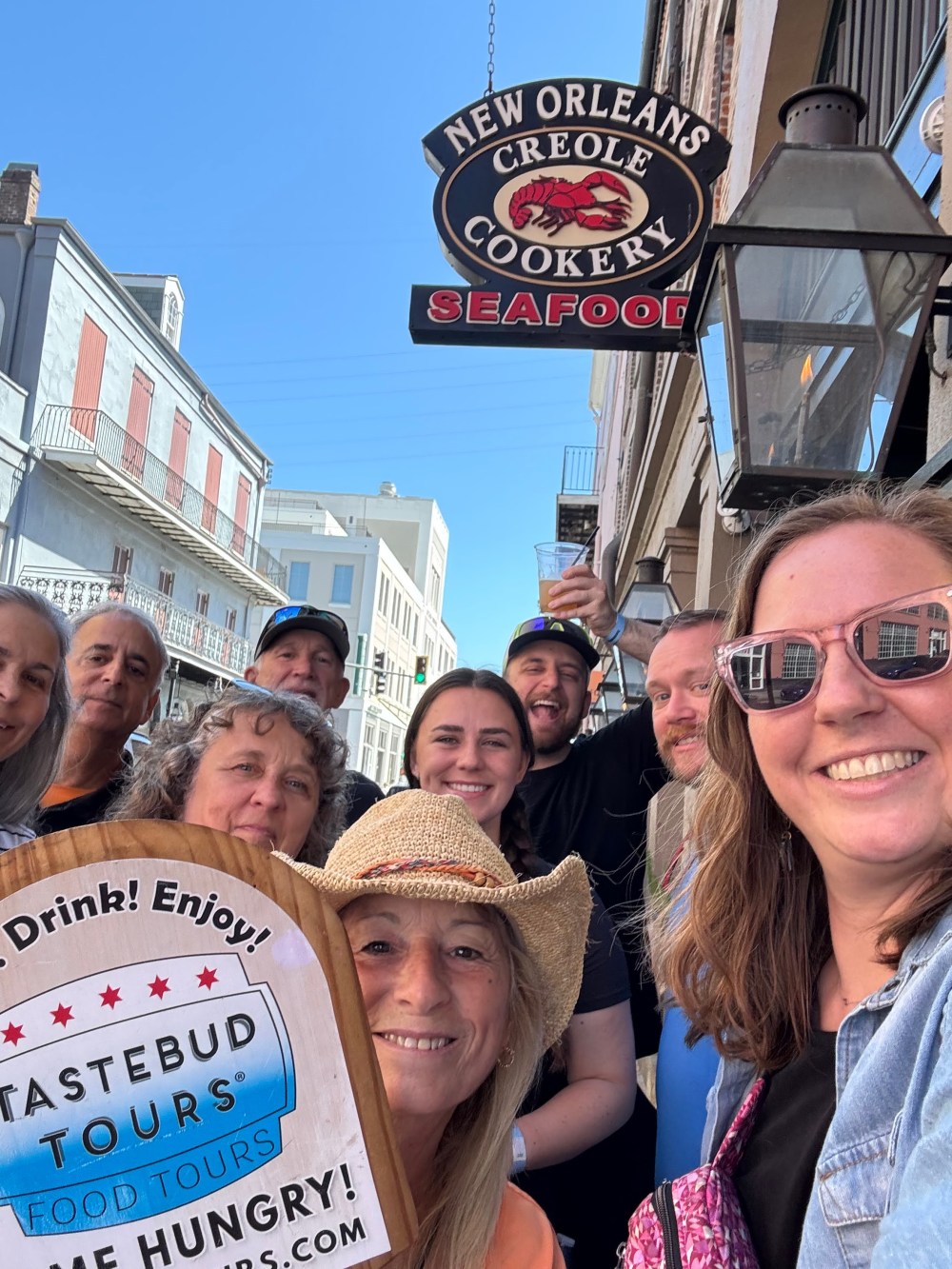
At some point during a short trip, most people hit the same thought. There are too many options and not enough time to figure it out properly. That’s usually when guided food walks start to make sense.
With Tastebud Tours, especially their Original New Orleans Seafood and History Food Tour, the experience shifts a bit. Instead of choosing between oyster spots, the route is already built around what actually works together.
It’s not just about eating more. It’s about:
- Not wasting time deciding
- Getting context for what’s on the plate
- Trying things in a logical order
- Avoiding tourist-trap confusion
And honestly, something changes when the pressure of “am I picking the right place” disappears. People start noticing flavor instead of worrying about decisions.
What People Usually Wonder Before Trying Oysters Here
A few quiet questions always show up:
- Are raw oysters safe if it’s your first time?
- Will the taste be too strong?
- Should you start with cooked versions first?
- How many places can realistically fit in one day?
- Is a guided food tour actually worth it?
These aren’t overthinking questions. They’re practical ones. Most of them fade pretty quickly after the first or second stop anyway.
Why New Orleans Still Wins for Oysters?
Oysters here don’t feel like a specialty. They feel normal in the best possible way. One street serves them raw and simple. Another has them bubbling in butter. A few blocks away, someone’s eating them in a po’boy while walking past music drifting out of a bar.
At some point, it clicks that this isn’t about finding one “best” oyster spot. It’s about how many different versions of the same thing can exist in one small city and still feel right.
Some people figure it out on their own. Others follow a guided route so they don’t miss the good parts. Either way, the question that sticks isn’t where the best oysters are. It is:
How many different ways can one city change your idea of what oysters are supposed to taste like before the day is over?