
New Orleans in October: 10 Seasonal Foods Worth the Trip
New Orleans in October tastes as good as it feels. The summer heat begins to fade, Gulf oysters come into prime season, and fresh fall produce starts appearing on local menus. It is the kind of month when a simple walk can lead to gumbo, pralines, seafood, and a meal worth remembering.
A guided food tour is one of the easiest ways to start the trip. Visitors can sample several local dishes, learn the stories behind them, and avoid spending hours choosing where to eat. Each stop offers more than a quick bite because the food is tied to the city’s people, streets, and culture.
Not every dish on this list is a fall harvest item. Satsumas and mirlitons are true seasonal finds, while rich dishes such as gumbo and jambalaya simply suit the cooler October air. Together, these foods show why autumn is such a rewarding time to explore New Orleans one plate at a time.
Is October a Good Time to Travel to New Orleans?
Yes. October brings milder weather, fall festivals, and prime oyster time. Pack light clothes, good shoes, and a thin rain jacket. The sky can change fast, so a small extra layer helps.
This month can also draw big crowds. Tours and top tables may fill up. Book the main plans first. Then keep one meal free for a fun find. The official city guide notes that October marks peak fall festival season and is a prime month for oysters.
Why Take a Guided Food Tour First?
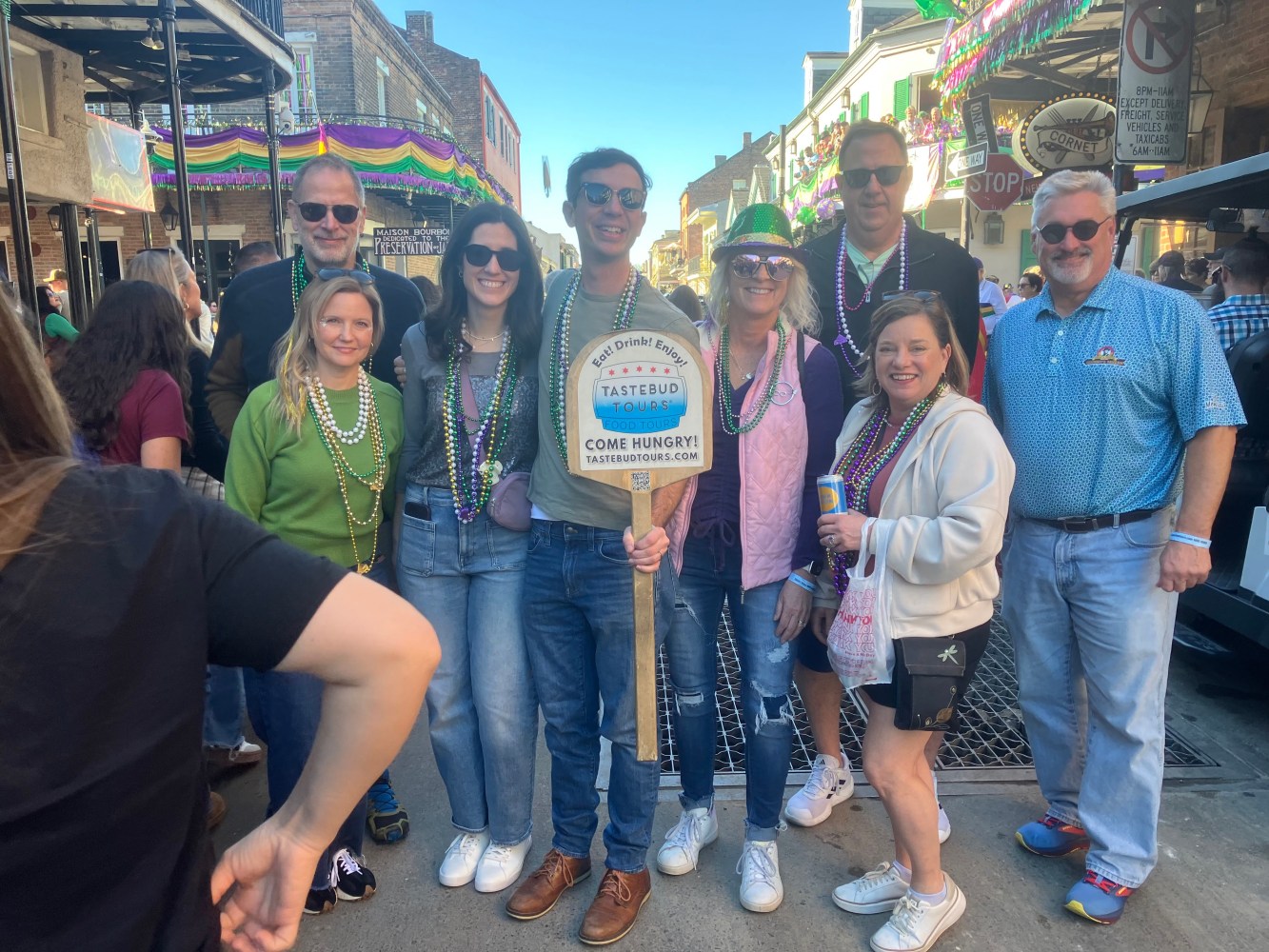
Your first meal can shape the whole trip. A random choice may lead to long waits, high prices, or a poor meal. A guided food tour removes much of that guesswork. Tastebud Tours leads food and drink walks through the French Quarter. Guests can enjoy local flavors while learning the stories behind each dish.
Depending on the tour, tastings may include:
- Po-boys
- Gumbo
- Pralines
- Cajun dishes
- Fresh seafood
The portions often add up to a full lunch. A local guide also shares the history of the food, the shops, and the streets.
Tour stops may change due to:
- Fresh ingredient supply
- Restaurant hours
- Seasonal menus
- The day’s route
This keeps each tour fresh and flexible. Check the latest New Orleans food tour details before booking.
10 Foods to Try in New Orleans in October
1. Chargrilled Gulf Oysters
October is prime oyster time in the city. Raw oysters taste clean and fresh. Chargrilled ones add butter, herbs, cheese, and smoke. Not keen on raw shellfish? Start with the grill, which gives the oyster a rich and less briny taste.
Oysters are sold all year in New Orleans. Yet the city’s tourism team says they are best from September through April. That puts October right in the sweet spot.
2. Seafood Gumbo
Gumbo fits the first cool days of fall. Its dark roux tastes rich and deep. Shrimp, crab, oysters, okra, or filé may go into the pot. There is no one “true” bowl, so try more than one.
One cook may use seafood and okra. The next may serve chicken and sausage. That range is part of the joy, not a flaw. A guide can help you spot the roots and style of each bowl.
3. White Shrimp Po-Boy
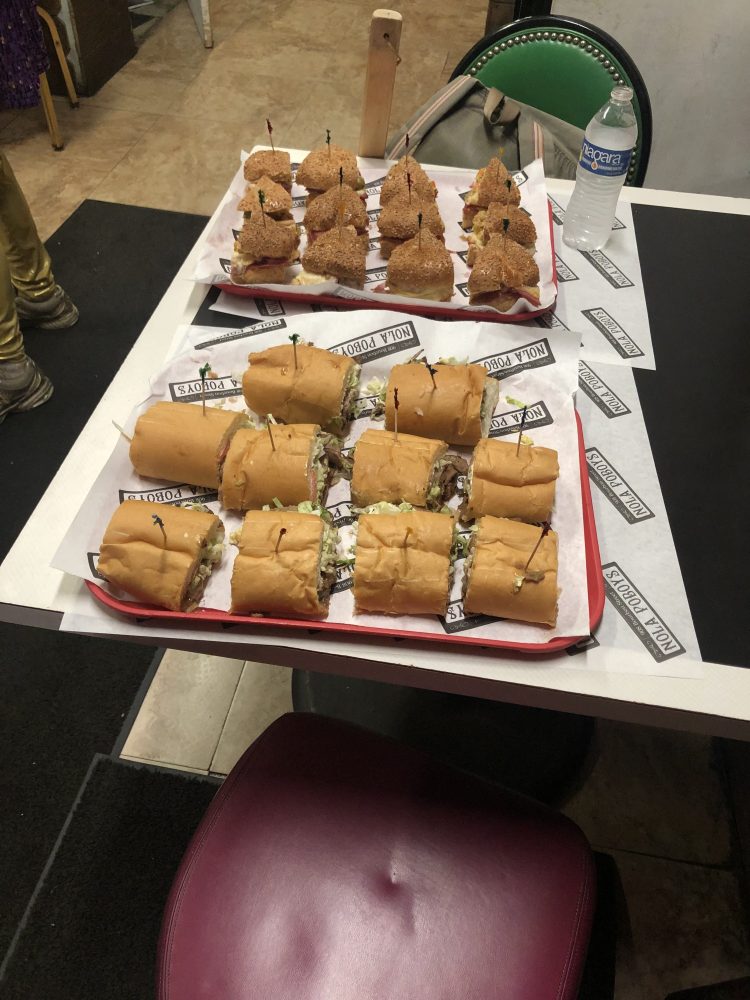
The fall white shrimp season tends to last through October. The best po-boy has crisp shrimp and soft French bread. It may come dressed with lettuce, tomato, pickles, and sauce. Can you hear the crust crack? That is a good start.
State wildlife officials say the fall shrimp season often runs from mid-August to mid-December. Some waters may stay open for longer. That makes fresh Louisiana shrimp a sound October pick.
4. Speckled Trout Meunière
Speckled trout is a Gulf Coast gem. A cook may dust it with flour, then add brown butter and lemon. The taste is rich, but the fish stays mild. It proves that local food need not be hot to feel bold.
Trout meunière also shows the French side of Creole food. Butter and lemon meet fresh Gulf fish on one clean plate. It is a fine choice after a rich cup of gumbo.
5. Shrimp-Stuffed Mirliton
Mirliton is a pale green squash with deep roots in south Louisiana. Its fall crop is on hand in October. Cooks stuff it with shrimp, crab, herbs, crumbs, and spice. The top bakes to a crisp gold crust.
This dish is less known than po’boy. That is part of its charm. Spot it on a menu or chalkboard, and take the chance. LSU’s crop chart shows mirliton in season through the heart of fall.
6. Sweet Potato Pie
Sweet potatoes are easy to find in fall. In pie, they turn soft, warm, and rich. A good slice has a smooth core and a clean crust. Too full after the tour? Share one.
New Orleans has its own love for this Southern sweet. Local food guides point visitors to city bakeries and cafés that serve sweet potato pie. Some chefs also turn the same idea into sweet potato beignets.
7. Pecan Pralines
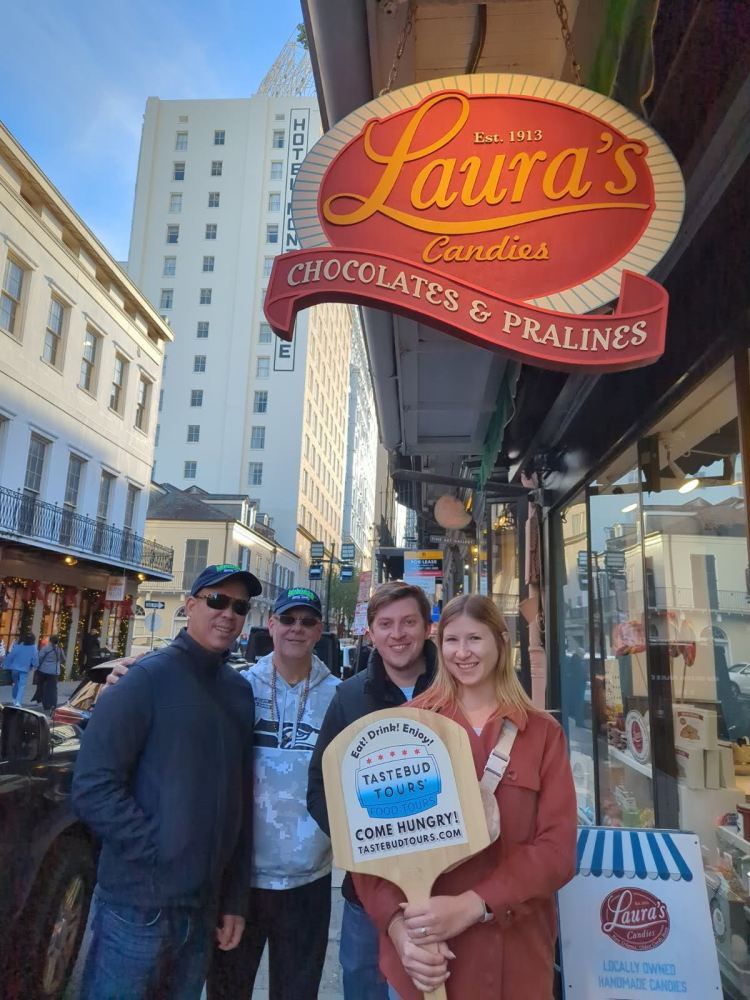
A praline looks small, but it is quite rich. Sugar, cream, butter, and pecans set in a soft round. The best ones melt fast and leave a roasted nut taste. Buy from a shop that makes fresh lots each day.
Pralines are easy to pack, so they make a good gift. They also offer a sweet break between salty dishes. Just remember that one can feel more like three once the sugar kicks in.
8. Satsuma Sweets
Satsumas start to ripen in fall. Early fruit can be ready in October. The juice is sweet and less sharp than that of many oranges. Look for it in cake, curd, glaze, sorbet, or drinks.
Such treats may be a short-run dish. Ask what has local fruit that day. A quick chat can lead to the best sweet bite of the trip. LSU experts note that early satsumas ripen from late September, while the main harvest begins in mid-October.
9. Fall Greens With Andouille
Collard, turnip, and mustard greens grow well as the heat drops. Slow-cooked greens gain smoke and salt from pork or andouille. A dash of hot pepper vinegar adds a bright snap. This side dish can steal the whole plate.
Greens may not look grand on the menu. Then the first forkful hits with smoke, spice, and deep stock. Pair them with fried fish, chicken, or a bowl of rice. LSU’s seasonal chart places these greens in the fall market window.
10. Jambalaya
Jambalaya is sold all year, yet its warm spice suits a cool night. Rice cooks with stock, meat, seafood, onion, celery, and bell pepper. Creole styles often use tomato. Cajun forms tend to skip it and look darker.
Try both if you have time. Then pick a side like a local. Just be ready for a kind food fight, since each camp has strong views.
Is a Guided Food Tour Worth the Cost?
A guided food tour cuts the risk of a poor meal. It also gives you tips for the rest of the stay. For new guests, New Orleans in October can feel full of choice, so that head start has real worth.
Check these points before you pay:
- Food: Find out what the ticket may cover. The exact bites can change.
- Time: Tastebud says many tours last about three hours.
- Walk: Tours may cover close to one mile, so wear good shoes.
- Diet: Ask in advance. Small, old kitchens may have few swap choices.
- Date: Book early, since tours can sell out fast.
Tour lengths and routes vary, so read the details for the trip you plan to take. Come hungry, but drink water. Do not book a big meal right after the walk. Unless a loss to gumbo sounds like a fine end to the day.
A Simple Plan for New Orleans in October
Start with coffee and a small bite. Take a late morning or lunch food tour. Rest for an hour after the walk. Then spend the late day by the river or in the French Quarter.
On day two, seek the food you missed. Pick oysters, local fruit, or a dish from the guide’s top tip. Leave room for live music at night. A full plan is fine, but a loose one can taste much more fun.
New Orleans in October pays back the guest who brings a short list and an open mind. Book the guide, ask what is fresh, and let one plan change.