7 Shocking New Orleans Speakeasy Secrets From Prohibition
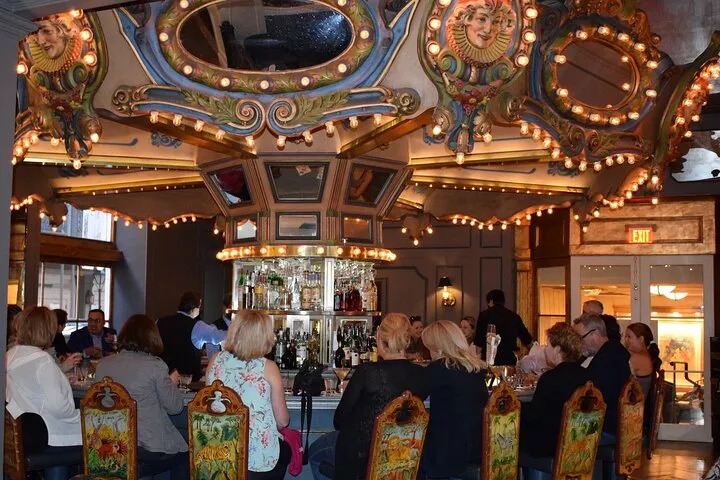
A New Orleans speakeasy experience is best understood through the city’s past, not just a hunt for a hidden door. During Prohibition, New Orleans did not simply stop drinking. The city resisted, adapted, and kept its cocktail culture alive. A guided tour helps turn those facts into a story you can see, hear, and almost taste.
Today, New Orleans has hidden and Prohibition-style lounges. Many serve craft drinks. Some use quiet doors, tucked-away entries, or booking. Yet the real draw is not the trick entrance. It is the tale behind the glass. That is where a good guide earns a place in the plan.
Is a New Orleans Speakeasy Tour Worth Booking?
A New Orleans speakeasy tour is worth booking when the story matters as much as the drink. Guests can walk through the French Quarter alone. But old walls do not explain themselves. A guide adds names, dates, local wit, and small facts that make each block feel alive.
Honest trip planning starts with clear facts. Tastebud Tours’ New Orleans Signature Craft Cocktail Tour, Sip the History is a two-hour French Quarter walk for guests aged 21 and over. It begins at 3 p.m. Food and drinks are not included, though guests may buy cocktails during the tour.
Before booking, ask a few simple questions:
- Is the goal to learn, drink, or enjoy both?
- Does the ticket include food or cocktails?
- Is everyone in the group at least 21?
- Will two hours of walking suit the group?
- Is everyone ready for rain or shine?
What Prohibition Reveals About the New Orleans Speakeasy
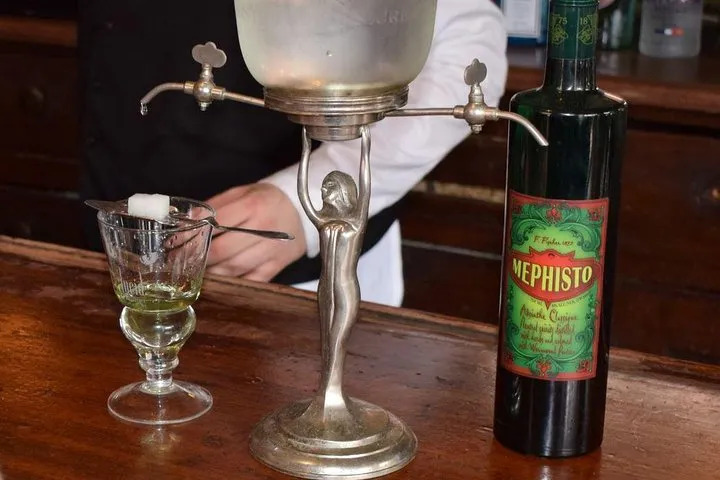
New Orleans did not simply endure Prohibition. The city reshaped secret drinking, cocktail culture, social life, and even the way locals viewed the law.
These seven surprising facts show how hidden bars survived, why major raids failed, and how the era still shapes the city today.
1. New Orleans Was Never Truly Dry
Prohibition began across the nation in 1920, but New Orleans was hard to dry out. The city had a busy port and a deep bar culture. Food and drink also had strong ties. Local help for federal agents was often weak. Some agents called New Orleans the “liquor capital of America.”
Why does that matter now? This story is not just about crime in a dark back room. It is about a city where a drink sat close to music, meals, trade, and talk. The ban clashed with daily life, so daily life pushed back.
2. Many Secret Bars Were Not Very Secret
The word “speakeasy” may bring to mind a coded knock and a slot in a door. In real life, many illegal bars were well known to locals. The Mob Museum says such places were often poorly kept secrets. Cash and tips could warn owners before federal agents came.
So, did each guest need a password? Not always. Trust often mattered more than a clever phrase. After large raids in New Orleans, some bars served only people they saw as safe.
3. One Huge Raid Barely Slowed the Flow
On August 11, 1925, about 200 agents from outside the city joined a major raid. They found 10,000 cases of liquor. That sounds like a clean sweep, right? One local bootlegger brushed it off. He said the haul would not do much to raise prices.
This is why place and context matter. A court step or plain wall may look dull on its own. Add agents, lookouts, hidden stock, and bold jokes. Then the block starts to speak. In New Orleans, history tends to spill into the street.
4. The City Led the Nation in Padlocked Speakeasies
By 1927, New Orleans had more padlocked speakeasies than any other city in the nation, according to the Historic New Orleans Collection. This does not prove it had the most banned bars. It shows that federal agents had shut and sealed a large number of known sites.
Then the party changed shape. Home drinking became more common as open saloons closed. Shut one public room, and the drinks might move to a parlor. Prohibition changed the route, not the thirst.
5. Cocktails Helped Hide Bad Booze
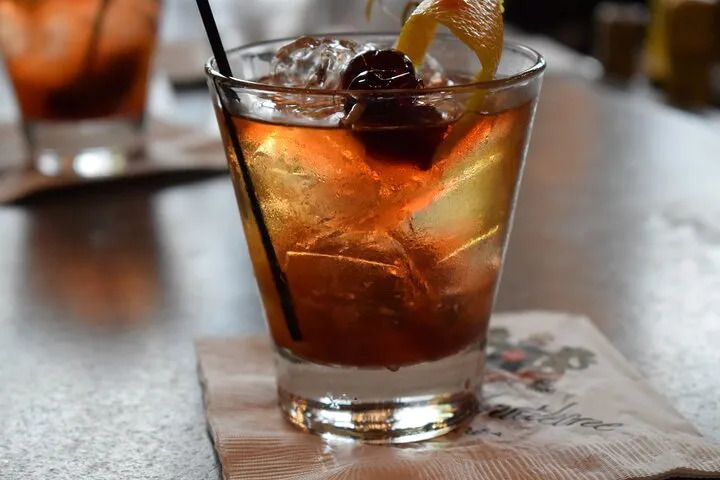
Some illegal liquor was weak, harsh, or unsafe. Sugar, juice, mint, and soda helped cover the rough taste. By 1928, much of the liquor found in New Orleans was moonshine, and some could be lethal. That risk is one dark reason mixed drinks gained more appeal in the dry years.
But Prohibition did not invent the cocktail. New Orleans had a rich mixed-drink culture long before 1920. The Sazerac has city roots that date to the 1800s. The ban forced an old craft to bend and hide, but it did not create it.
6. Speakeasies Changed Who Shared the Room
Before Prohibition, many public saloons were male spaces. Speakeasies helped blur that line. The Library of Congress notes that women gained more room to drink, dance, and meet in mixed groups. Some women also ran these hidden clubs.
That change fit the beat of the Jazz Age. Music, dance, style, and drink met under one roof. Picture a horn and a low lamp. The room is full of people testing new social rules. The law tried to curb drinking, yet the hidden room loosened other limits.
7. Repeal Felt Like a Party, Not a Shock
New Orleans welcomed legal beer on April 13, 1933, with crowds and sirens. The city issued 911 retail beer permits within days. Historic records say 488,000 gallons of beer sold in a few hours. Full repeal came on December 5, but some locals saw little cause for shock since hard drinks had begun to flow again.
The New Orleans speakeasy story says a lot about the city. New Orleans did not wait for a neat ending. It eased back into the open, glass by glass. Its bond with drink had outlasted the law.
How to Explore New Orleans Speakeasy History With Tastebud Tours
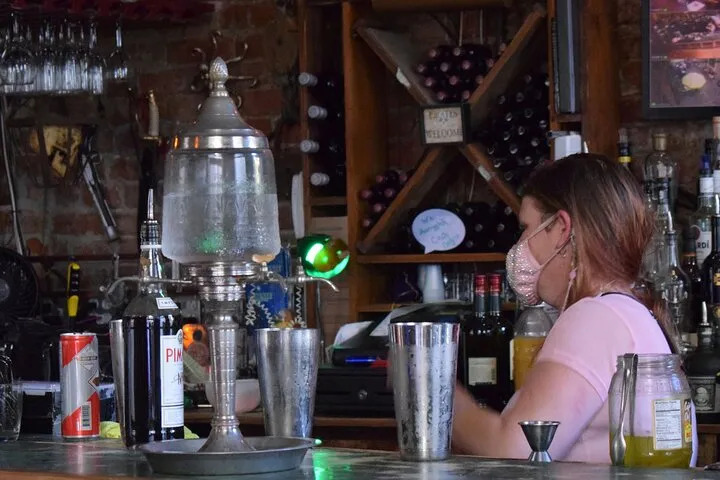
The best plan starts with one clear choice. Is the main goal to study the Prohibition tale? Or is the group more keen to explore the city through its food? The answer points visitors toward the right experience and helps prevent false hopes.
For a history-led cocktail walk, explore the Sip the History experience. Guests hear stories about famous drinks and French Quarter history. The tour is for adults, and food and cocktails cost extra. Travelers who want food to lead the day can browse Tastebud Tours’ full range of New Orleans food tours. These guided walks pair local dishes with tales about the city and its culture.
Keep these practical points in mind:
- Book for the story. Private or hidden-door access is not promised on the official cocktail tour page.
- Budget for extra drinks. Food and cocktails are not part of this ticket.
- Carry valid ID. Each guest must be at least 21 years old.
- Wear good shoes. The experience includes a French Quarter walk.
- Check live details. Times, prices, and tour terms may change.
Is a guide truly needed? Not just to order a drink. But a guide can show why an old court step, a busy street, or a cocktail name belongs to a much larger tale. Once the New Orleans speakeasy story comes into focus, will a plain hidden door ever look plain again?